
We are excited to introduce our new video courses for 2021! This year we have seven new courses that span from Grades 1–11. Each course is age-appropriate and, above all, is designed to excite a love of learning in your students. For more information about these new courses, see our new 2021 Catalog! [Read more…] about New Homeschool Video Courses
reading
Why We Study Literature

When I was in elementary, I spent hours hiding away in libraries, reading as much as I could before my parents made me leave. Looking back on my life, I can see how certain books shaped who I am today. Most people have at least one book that has profoundly influenced them. If reading has this much power, then learning to study literature is one of the most important parts of a child’s development. Reading is so much more than just understanding what words mean. It has the ability to shape children’s minds and experiences in positive ways.
How to Use Teacher Editions in Your Homeschool
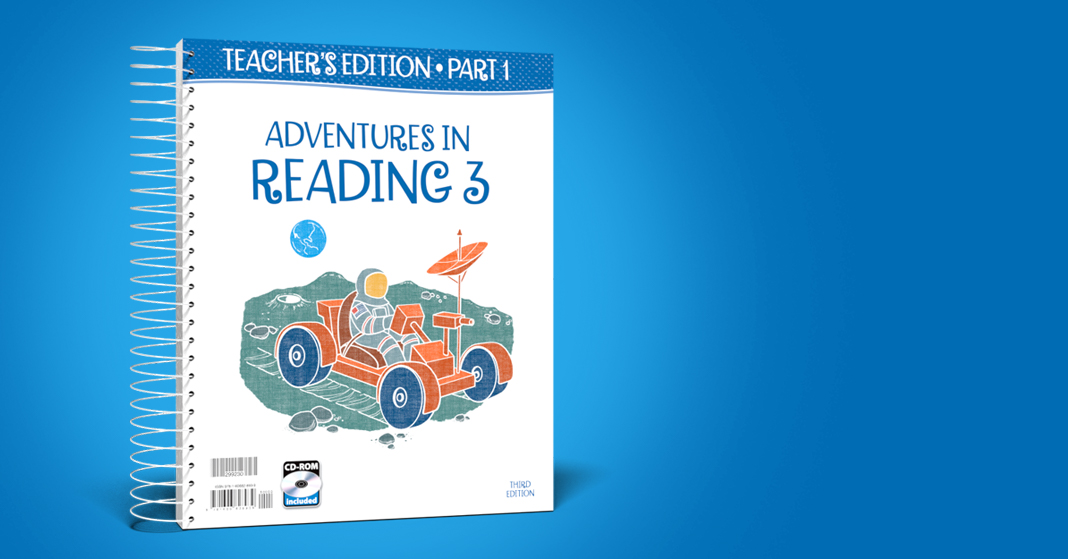
Like many of you, I am in the process of figuring out my homeschool curriculum order for our next school year. I’m trying to decide what Online Learning subjects and textbook kits we want to order, what textbooks and teacher’s materials we can reuse from older children, and what “extras” we need. But there’s something that’s definitely going in my order—the teacher editions for any subjects that I plan to teach myself.
I don’t buy printed teacher editions for every subject. My children use Online Learning for many of their subjects, so I have access to the digital teacher editions for those courses if I ever need them. But I teach Reading 3 to my second daughter and Focus on Fives to my third daughter. I have found the teacher editions for those courses to be invaluable.
Let me walk you through my Reading 3 Teacher Edition to show you why I love it so much.
Clear Planning
Like all BJU Press teacher editions, Reading 3 includes a Lesson Plan Overview in the front of each volume. The Lesson Plan Overview gives me a bird’s-eye view of the course. I can see how many lessons we’ll spend on any particular selection and what skills we’ll be focusing on. I use this to help me build my homeschool calendar, but I always end up making adjustments. Sometimes I end up combining lessons or skipping lessons altogether (yes, it’s okay to skip lessons!) based on what else is happening in our homeschool.
Individual Lesson Guides in Teacher Editions
Every lesson in Reading 3 has been carefully thought out. When I open my teacher edition to an individual lesson, I have everything that I need to teach effectively.
Objectives
A glance at the top of the page tells me what pages we’re going to cover in the student textbook or worktext. The lesson objectives are clearly stated so I know exactly what my daughter needs to know by the end of the lesson. And I can clearly see what materials I need for the lesson and where I can find them.
Routine
Each lesson has a routine. We start with going over the vocabulary words that my daughter will need to know in order to understand what she’s reading. Each vocabulary word is presented in context so that my daughter will learn how to use context clues to figure out the meaning of unknown words when she comes across them in her own reading.
Reading Focus
Next we move on to our reading focus, which is the literary skill that the lesson is focusing on developing (like recognizing how the setting impacts the story). Here, the teacher edition provides instructions on how to introduce these skills and questions that I can ask my daughter to make sure that she understands the instruction.
Reading Selections
Then we jump into the selection itself. The teacher edition provides me with reduced student pages, so I can see exactly what my daughter sees in her student textbook. But I get a few extra features. All the vocabulary words for this particular lesson are underlined in the text so that I can make sure my daughter understands them. I also get some additional notes that help me with biblical worldview shaping and text enrichment.
Guiding Questions
The biggest help for me is the questions and answers that the teacher edition provides. These questions, as I wrote in a previous post, help me develop and assess my daughter’s reading comprehension, and they also help me lead my daughter to have a deep appreciation for the selection. I know from experience that I would not be able to come up with questions like these on my own. Do I ask every question? No. Some we skip because of time. Some I end up expanding because of my daughter’s interest. Remember that the teacher edition is just a guide—you don’t have to do everything. You don’t even have to ask each question exactly as written. You are in charge. The teacher edition is just there to provide support.
Phonics Review
By the time you teach Reading 3, your child should have a good foundation of phonics knowledge. But many third graders (mine included) still need additional phonics practice. So every lesson in Reading 3 includes a review of a phonics principle, and most worktext pages assess that same phonics skill. Don’t feel as if you always have to teach that portion of the lesson. If your child breezes through that portion of the worktext page without mistakes, just move on.
Grading Resources
The teacher edition does include reduced student pages of the worktext pages (with answers), but they are very small. A digital copy of the worktext answer key is included on the CD that comes free with the teacher edition and a printed edition is available for separate purchase.
The CD contains a few other grading tools. The most valuable to me is the rubric that helps me assess my daughter’s oral reading.
Other Resources in Teacher Editions
The CD that comes with the teacher edition contains a wealth of other resources such as teaching aids and additional activities. These are particularly helpful for multisensory teaching. Find the ones that are useful for you and your child and ignore the rest.
While we have been focusing on the teacher edition for Reading 3, all BJU Press teacher materials include the same kinds of helpful resources for teaching your children. Some include a resource CD, some offer multiple volumes of teaching material, and some have online resources available. A teacher edition is one of the most valuable tools that you will find in your homeschool toolbox. But don’t feel bound to it. It is designed to help support you, so make it work for you and your homeschool situation.
If you are interested in previewing any of BJU Press’s teacher editions online, just click the Look Inside button at the bottom of the product image.
Choosing Curriculum to Encourage Confident Readers
It’s wonderful to have options when you’re teaching your children. When something doesn’t work, you can always try something else and keep at it until your kids get what you’re teaching. So, a lot of homeschool families wind up using curriculum from a bunch of different publishers for a single grade. And often it works. But BJU Press has designed certain subjects to support each other in unique ways.
In K5, all of English language arts are integrated—you teach it all together. But in Grade 1, English and reading count as separate subjects. They’re separate, but they still correlate. The concepts and progression of skills support each other in both subjects. If you use a different curriculum for English or reading, then your child will miss the benefits of a correlated reading program and may find learning to read harder than it needs to be.
Opportunities for Practice and Review
Practice and review opportunities are an intrinsic part of each BJU Press textbook. Children need to see concepts repeatedly to develop automaticity—the ability to do something without thinking about it, or automatically. But when they’re just learning to read, children need more practice and review opportunities of the phonetic concepts they learn in English than are provided in the textbook itself.
Application Skills
What’s the difference between practice and application? When we’re practicing a concept, we’re usually seeing the exact same concept over and over again. The more we see it, the more familiar it will be. But application is actually a little different. Application introduces a familiar concept in a new situation. It gives us a chance to apply what we know to figure out what we don’t know. It’s a critical thinking skill that most of us use regularly even if we don’t realize it. Children need to learn new concepts and have the opportunity to apply it.
For example, a phonics lesson might introduce the _at word family. Your child has practiced reading the words at, cat, and bat as a part of the phonics lesson. Later, in his reading lesson, he finds a new word, hat. Because he knows the h sound and he knows the _at word family, he can apply what he knows about the two sounds and read the new word. As he learns to recognize new words based on what he knows, his confidence in reading grows.
Prepared to Be Confident Readers
When English and reading lessons support each other by adding practice and application, your child will be better prepared to learn new skills and concepts going forward. First, she learns the skills she needs to be successful. Then, she learns to use and expand on those skills. When she comes back for another English lesson, she’ll be prepared for it because she’s had time and opportunity to practice and apply what she learned before. She’ll have more confidence and certainty about what she knows in both English and reading.
Dangers of Mixing Curriculum
But what can happen if your English curriculum and reading curriculum don’t support each other? Your English materials may not prepare your children adequately for what they’ll encounter in reading, and their reading program may not give them the practice and application they will need to be confident in their phonics and English lessons. Programs that don’t correlate often introduce skills at different times. Children who are constantly running into new skills that they aren’t prepared for will either become overwhelmed by learning, or they’ll resort to guessing. Guessers can easily become confused and frustrated when they don’t understand why their guesses are right or wrong.
It’s easier to encourage your children to become lifelong readers when they have confidence in reading. Children who become confident readers are more equipped for success because they will be better prepared for the reading challenges they will face in later grades.
Encouraging Silent Reading
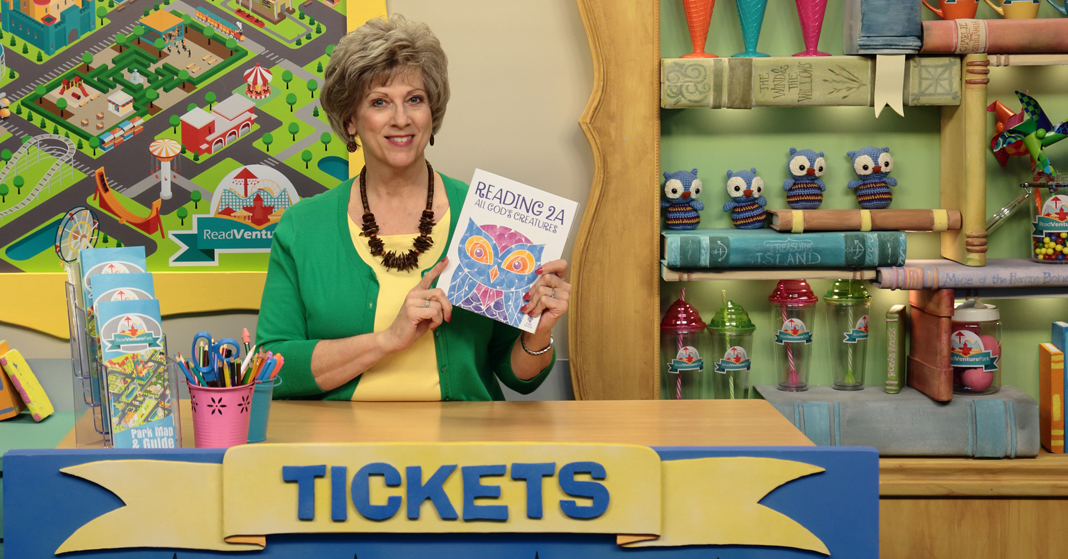
Mrs. Walker has recorded some videos to give you tips on guiding your child’s reading. Find out what she has to say about silent reading in the videos below.
Why Is Silent Reading Important?
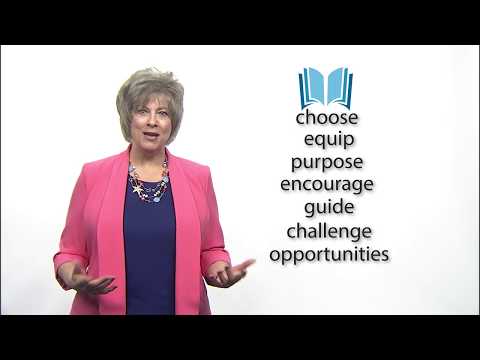
A primary focus of your child’s elementary homeschool education needs to be his ability to read silently. Reading silently is something that all of us do every single day. Imagine how tedious it would be if we were required to read every product tag, highway sign, blog post, and book out loud! But what is the value in teaching your child to read silently? Why is it worth it for him to learn it?
Practicing silent reading skills will enhance your child’s speed, comprehension, and focus in reading. It will activate his imagination and allow him to visualize what he is reading in his own mind. Reading silently will also enable him to engage with what he’s reading. If he has engaged with the content, he will be better able to discerning the author’s level of skill in writing and to discover the author’s intended message. Then he can ask meaningful questions and work to understand the material at a depth he can discuss with you instead of merely repeating back to you what he has read. Finally, reading silently will clear away distractions for your student and help him fully focus on what he’s reading. The more he is able to focus, the more he will get out of what he reads, and the more obvious the applications for his life will be.
In an age when the volume of information is constantly increasing, your child needs to be able to fully understand the content in front of him so that he can evaluate it from a biblical worldview. Training your child to read silently will empower him to work through the large amounts of information he encounters on a daily basis.
What Is Sustained Silent Reading?
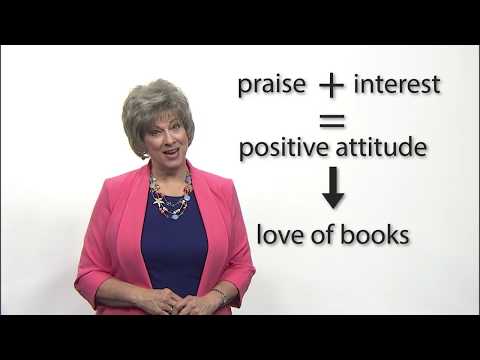
Sustained silent reading involves giving your student large blocks of time to dedicate to reading silently. Scheduling times of the day for your child to do nothing but read will clear away the distractions and help your child engage with the content in a meaningful way. Sustained silent reading will also lengthen your child’s attention span, which will enable him to process large amounts of text into applicable truths for his life.
So how can you get your child ready for sustained silent reading? First, be intentional with what you put in front of him. Give him a selection to read that he will find both easy to understand and interesting. Also, make sure you’re available to help him with any difficult words and answer any questions he has. You can also include topics in the selection that cater to your child’s specific interests. Maybe he has specific genres he prefers or certain topics he likes to explore. Giving him things to read in those areas will encourage him to learn more about the things he already loves. Finally, you could set aside a designated spot in your home for him to read, such as a reading nook or a special chair. This way, your child will always know that any reading done there will be both peaceful and focused.
While advertisements and social media typically give us shorter messages, your child can definitely expect to encounter larger amounts of writing in everyday life. Creating long periods of time for your student to read silently will enable him to handle and process larger chunks of information.
How Do You Assess It?
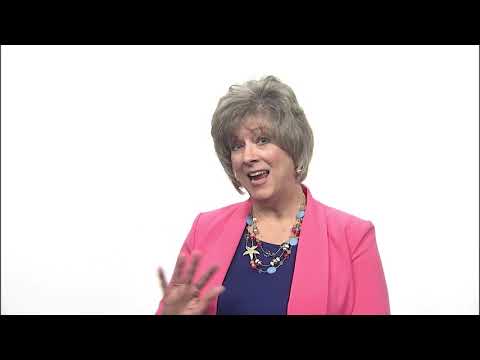
Every skill your child is learning should be measured so that you know how he is growing. But silent reading can be a difficult skill to measure. So how can you evaluate it?
BJU Press Homeschool has provided numerous tools for assessing how well your student is doing with silent reading. Each worksheet contains several components to help you get a feel for your child’s strengths and weaknesses in reading. They provide a goal for your child’s reading—which will help him read both proactively and reactively. The worksheets contain a series of comprehensive questions to make sure your child is thoroughly understanding what he reads. Finally, the worksheets will build up to more difficult questions to stretch your student’s critical-thinking skills, appropriate to his reading level. The ability to measure where your child is with reading silently will help determine where your student needs to grow and encourage him in areas where he already excels.
Hopefully these videos have made it clear why silent reading is such an important practice for your student!
• • • • •
Matt recently graduated with an MA in communication studies and currently works as a freelance writer. He attributes the wild variety in his current opportunities to the exploration his parents gave him through the homeschooling experience. He enjoys theater, the gym, and choral music and will rarely say no to a cold glass of sweet tea.