• Skip to primary navigation
  • Skip to main content
  • Skip to primary sidebar
  • Skip to footer

BJU Press Blog

  • Home
  • Shop
    • Shaping Worldview
  • Simplified Homeschool
  • Successful Learning

history

Three Reasons to Teach History Chronologically

May 19, 2016 by Ben

Maybe I’m the only one who has this experience, but sometimes when I start telling someone a story about one of my daughters, I see a confused look on the person’s face. Realizing that I’ve left out some critical background information, I backtrack. Once it seems my audience understands, I jump back into the flow of my story, but suddenly moving through time causes them more confusion. Soon the interest and the point of my anecdote is lost.

Teaching history is a lot like that. If you jump around, it can get confusing and seem pointless. That’s why history is best presented chronologically through a textbook—from the beginning of time and progressing in order up to the present. Here are three reasons why teaching history chronologically is best for our children.

It encourages their interest.

When you teach history chronologically, you will find compelling human drama. When told beginning to end, history has conflict, interesting characters, and dramatic reversals. Chronological teaching leads to narrative that is far more fascinating than a string of dates and bold terms. Narrative communicates that history is full of real people making interesting choices.
timelines2

It provides them clarity.

One of the current trends in public education is to abandon the chronological approach in favor of a thematic approach to teaching history. For example, a teacher could present a unit on “the American identity” and crisscross history to determine what that identity is. This might be helpful for history students in a graduate-level seminar, but not for young children who are just being introduced to history.

Barbara Tuchman, one of my favorite historians, argues that the goal of history is to present the past as it really happened: “Chronological narrative is the spine and the blood stream that bring history closer to ‘how it really was.’”1

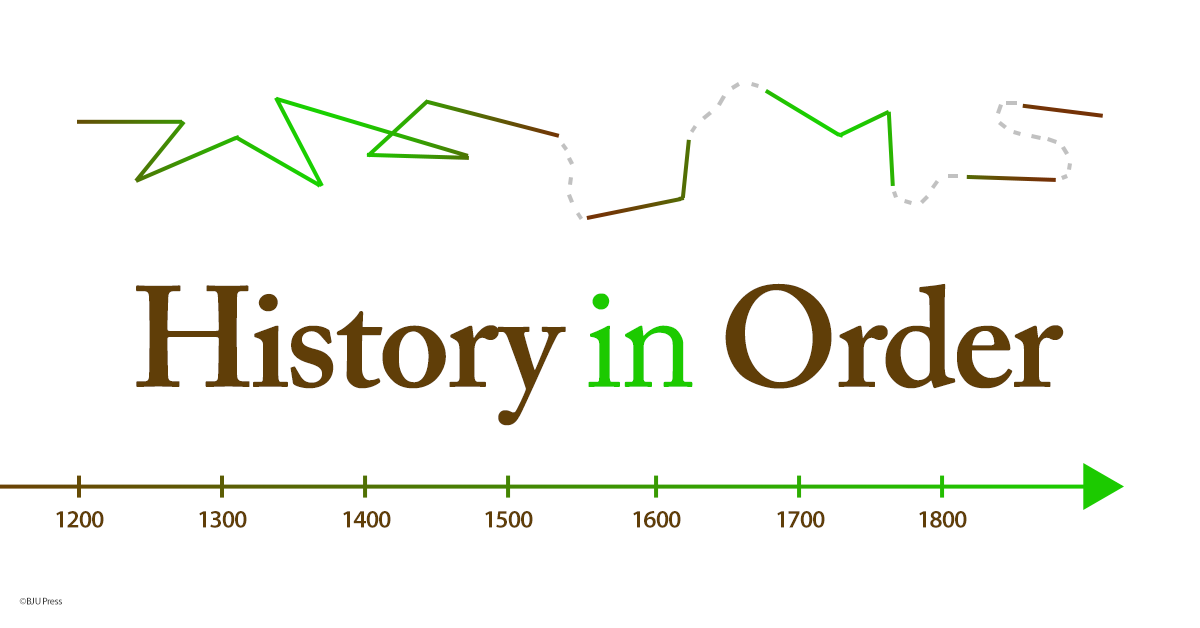
That makes complete sense. We live life in an ongoing succession of time. How else can we honestly and clearly present the past except for progressing from one event to the next chronologically? You can also help your children clearly understand history by presenting the chronology visually (i.e., with a timeline).

It develops their critical thinking.

In teaching history, we have the opportunity to develop our children’s critical thinking skills. Chronology presents the best way to develop those skills. When we study a major event, say the Civil War, we start with all of the events and people that contributed to the hostilities between the North and the South. By telling the stories of these people and events, we present the causes of the war. After the war, there are more people and events. These are the effects of the war. This approach teaches our children that events have causes and effects—a concept they can apply to the present. Where are events going? What are the likely effects of this choice? Chronological presentation of history prepares children to do the kind of analysis that will help them become wise citizens.

When something interesting or funny happens at home, I want to share it with my friends at work or church. But if I don’t plan out the presentation of the personal experience, those listening to my story often lose interest, get confused, or fail to see the joke. Teaching history requires the same kind of careful planning. Browse our history series, called Heritage Studies. It provides that careful chronological approach.

1. Practicing History (New York: Random House, 1982), 9.

Filed Under: Successful Learning Tagged With: Chronology, Critical Thinking, history, homeschool

Remember These Dates in May

April 28, 2016 by Meredith

It’s not often that the name of a month can also be used as another part of speech. In fact, I think only three months qualify—May (verb), March (verb), and August (adjective). So here’s my wish for you: may your month of May be filled with wonderful possibilities! Here are a few celebrations for your family to add to your list.

photograph of Alan Shepard in astronaut suit

May 5

Alan Shepard entered space in 1961. He was the first American astronaut to do so. His space flight on a Mercury spacecraft lasted less than sixteen minutes, but it proved to be a successful step toward our country’s future voyages to the moon. Learn more about Alan Shepard and his contribution to our space program.

May 8

It’s mothers’ special day! Mothers everywhere deserve recognition for giving the gift of life. And having a godly mother is a special blessing from the Lord. Have you been blessed by having a “Titus 2 woman” in your life? Thank (or remember) her on this day with your words and actions.

Train-illustration

May 10

Completion of the transcontinental railroad took place this day in 1869. Civil War veterans, Irish immigrants, and Chinese immigrants built a railroad track that would connect our nation. One team (Union Pacific) worked its way west while the other team (Central Pacific) pushed east. They met in Promontory Point near Ogden, Utah. The transcontinental railroad brought change to the Great Plains as people and agricultural products moved easily across the grasslands, but the vast herds of buffalo the nomadic Indians depended on declined after that. Use this video to show your kids how the transcontinental railroad changed America.

May 12

Celebrate Limerick Day by creating a rhyme. Usually humorous in tone, a limerick consists of five lines and has a defined meter (often anapestic) and rhyming scheme (AABBA). The first line introduces a person and place and establishes the poem’s main rhyming scheme. Ask your kids to write their own limericks—just copy this example (by Eileen Berry and Dawn Watkins) from BJU Press Reading 4 (2nd edition):

There was an old man from Pompeii
Who gave talks on volcanoes each day.
When the mountain erupted,
He got interrupted
And forgot what he wanted to say.

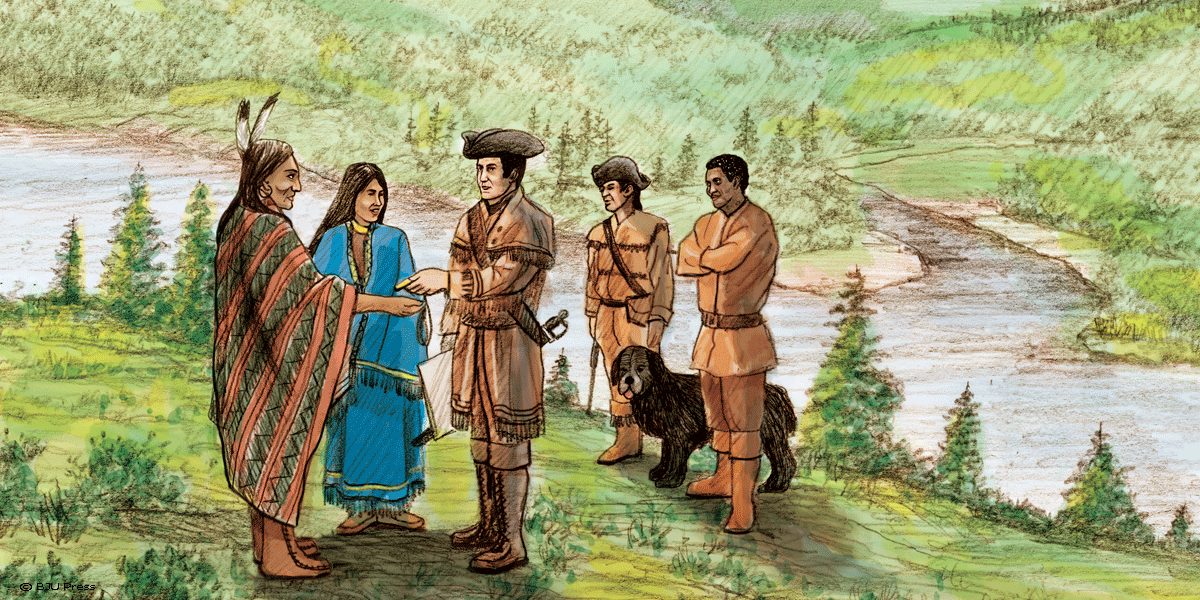
illustration of Lewis and Clark expedition

May 14

The Lewis and Clark expedition began on this date in 1804. Sent by President Jefferson, Meriweather Lewis and William Clark and their Discovery Corps set out to explore the regions of the Louisiana Territory, which our nation had purchased from the French. Beginning at the Mississippi River, the expedition traveled west and documented geography, peoples, and vegetation.

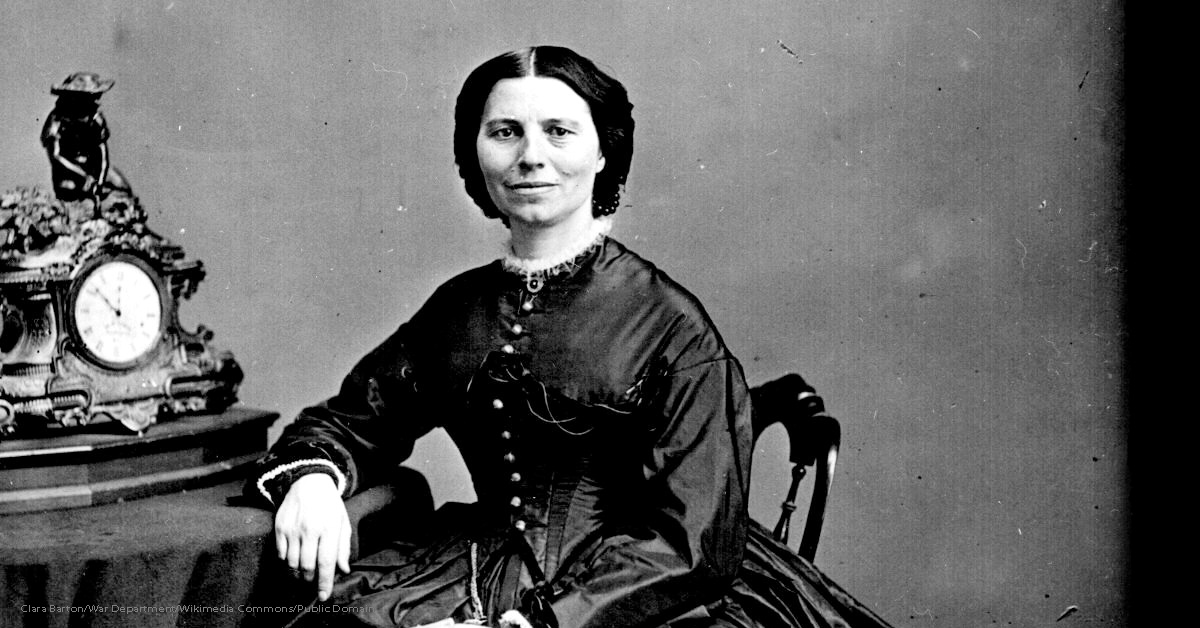
photograph of Clara Barton

May 21

On this date Clara Barton founded the American Red Cross in 1881. During the American Civil War, Clara Barton saw a need to provide supplies and medical aid to people. Known as the “Angel of the Battlefield,” she used her skills to fulfill God’s command that we love our neighbors (Matthew 22:36–40). After the war, Clara traveled to Europe and learned about the International Red Cross organization that provided relief to the sick and wounded. An inspiring role model, Barton’s service to others reached global proportions when she was given presidential approval for the United States to join the Red Cross network. Learn more about her achievements.

May 24 & 27

Ever since studying Physics in high school, I have found bridges fascinating. Their history, beautiful designs, and construction amaze me. On May 24, 1883, the Brooklyn Bridge opened to connect Brooklyn and Manhattan. A little over fifty years later, California’s Golden Gate Bridge opened on May 27, 1937, spanning San Francisco Bay.

  • Learn about John A. Roebling and how he and his family influenced the construction of both bridges.
  • See how the Brooklyn Bridge influenced America in this video.
  • Find tips for visiting the Golden Gate Bridge.

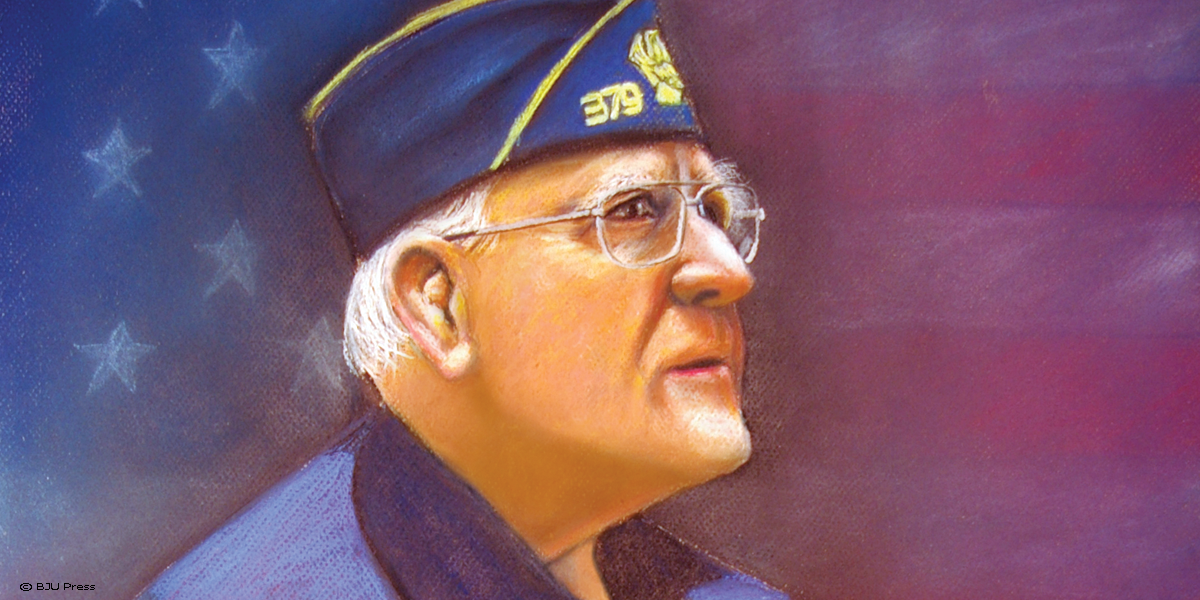
illustration of a veteran saying the pledge to the American flag

May 30

Today we honor those in the armed services who gave their lives for us so that we could be free. Taking time to reflect on their sacrifice as well as the sacrifice of their families should make us grateful. Use this blog post to teach about the history of Memorial Day and find ways your kids can participate in this holiday.

What observances are you adding to this list? Let me know in a comment below!

Filed Under: Successful Learning Tagged With: astronaut, bridges, events, family, history, homeschool, Limerick, May, Mother's Day

Remember These Dates in January

December 29, 2015 by Meredith

As we think toward a new year and all that it has to offer, take time to set some goals. Personally, I love the truth of Lamentations 3:22–23, which provides hope for each day! May you rejoice in new beginnings and take time to share your faith with others. And when you need something to recognize, remember these dates in January in your homeschooling.

dates in January

January 1

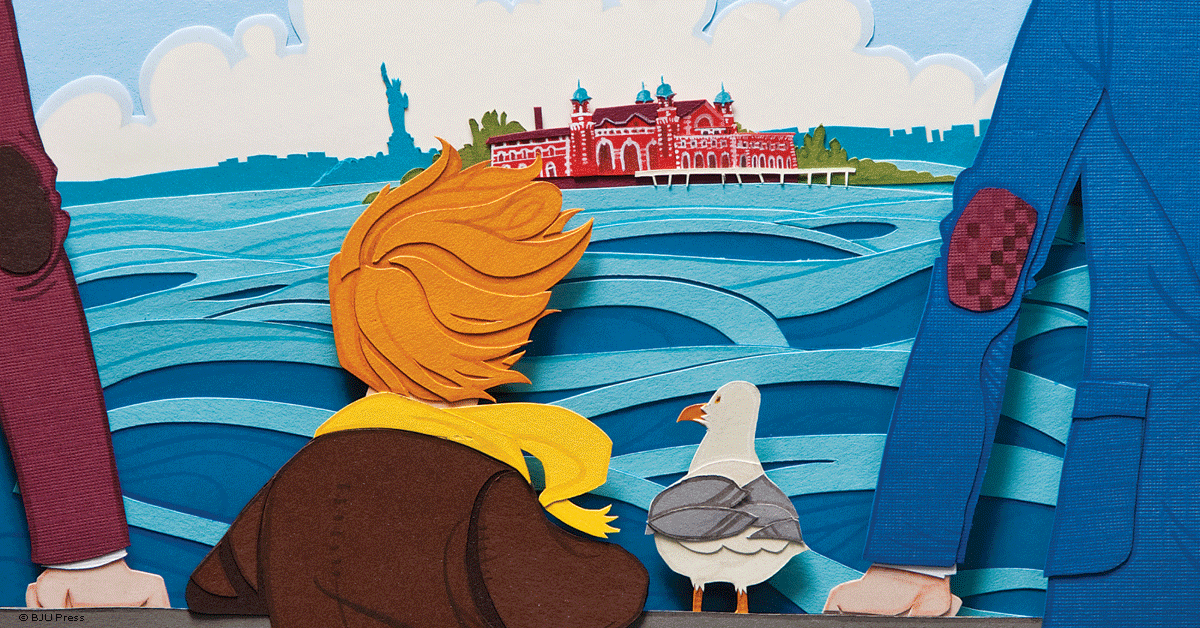
The Ellis Island federal immigration station opened in 1892. This small speck of land in New York Harbor holds such an important place in our nation’s history because Ellis Island is the place where many immigrants first began to experience what it truly means to be an American—the freedoms, joys, hopes, and sacrifices. My own family’s history has connections to Ellis Island since my great-grandfather was one of the millions of people who started their journey here. Link this island to your kids’ understanding of history by completing a passenger search for your own ancestors or view a timeline of Ellis Island.

WP-Jupiter-moons-12-2015

January 7

On this date in 1610, Galileo Galilei saw Jupiter’s largest moons. These four moons—Io, Europa, Callisto, and Ganymede—are called the Galilean moons. His discovery of these celestial bodies orbiting another planet convinced Galileo that Earth was not at the center of our universe. Make a telescope as a family and enjoy viewing the night sky. You’ll want to bundle up!

workers on an assembly line

January 14

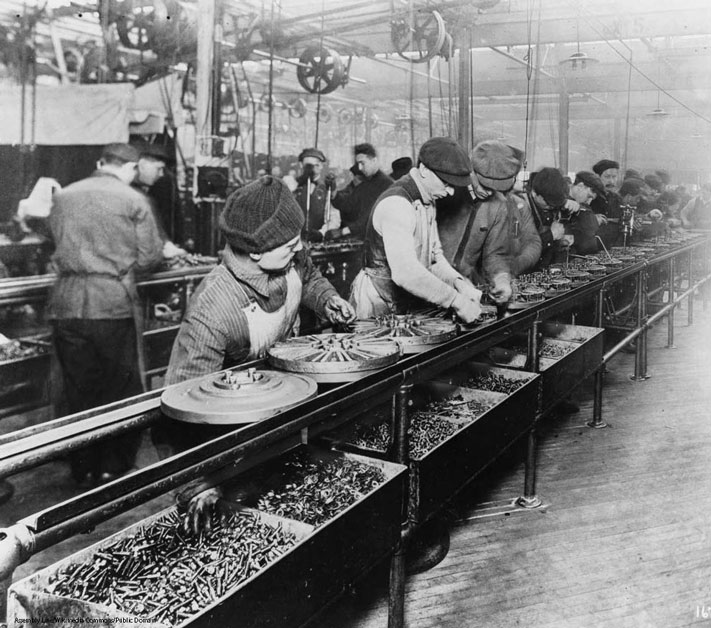
Henry Ford introduced the assembly line on this day  in 1914, and processes have never been the same since! The principles of supply and demand probably played a major role in Mr. Ford’s implementation of the assembly line. He recognized that having someone become an expert at one task instead of trying to do many tasks would speed up the process of building a car. It would also make the cars more secure as workers focused on one part at a time. Henry Ford’s influence on the American auto industry was largely due to his success at increasing car production. Introduce your kids to the idea of an assembly line by setting one up as you make sandwiches or set the table for lunch!

photograph of Martin Luther King Jr.

January 15

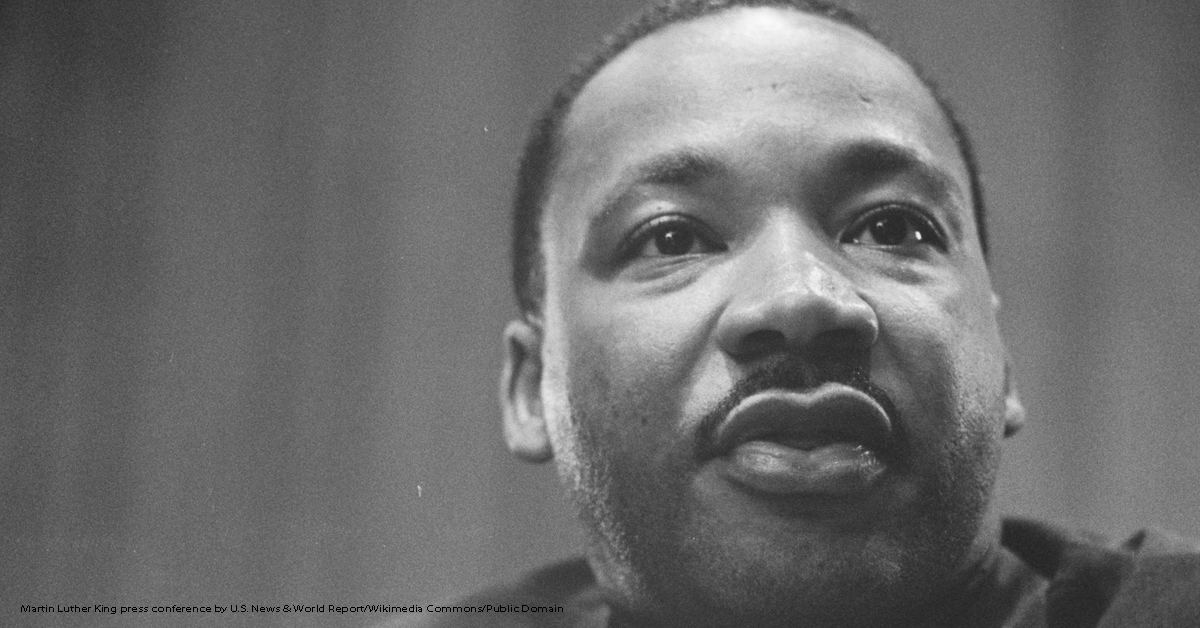
Reverend Martin Luther King Jr. was born this day in 1929.  Dr. King used his gifts as a speaker to gather support for civil rights legislation. He advocated nonviolent resistance to bring political pressure on cities and on the nation to change unjust laws and practices. Dr. Martin Luther King Jr. is probably best known for organizing the march on Washington where he delivered his now-famous “I Have a Dream” speech. Sadly, despite Dr. King’s support of nonviolence, it was a violent time in our nation’s history. He himself was murdered on April 4, 1968. Talk to your kids about the dreams Dr. King mentioned in his speech. Have his dreams been achieved?

WP-raven-12-2015

January 19

Edgar Allan Poe entered the scene on this date in 1809. Poe stands as the first American writer to influence others in poetry, fiction, and literary criticism. The short story genre in particular took a clearer shape as he contributed the principles of brevity (short enough to read in one sitting) and unity (producing a single emotional effect). Poe wasn’t a Christian and believed that beauty and truth are mutually exclusive, so he failed to appreciate a literary work’s ability to teach. His stories may be entertaining, but to me they communicate the hopelessness we all experience apart from Christ. Still, Poe’s works offer a good example for aspiring writers in terms of stylistic elements worth imitating. Have your older kids read aloud his most famous poem, “The Raven,” and discuss the philosophy he suggests in the questions posed by the narrator. How would our beliefs as Christians be different from his?

Filed Under: Successful Learning Tagged With: events, family, history, homeschool, language arts, literature, science

Study History Close to Home

December 8, 2015 by Ben

photograph of Tonedale Mills in Somerset

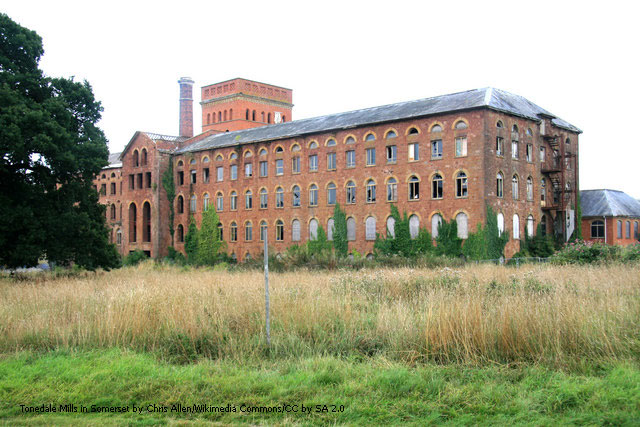
Several years ago, my wife and I bought our first home. It’s in the older part of town, and right outside the back door are the remains of a textile mill. A hundred years ago, when our house was built, the mill stood in the middle of a bustling village. Most of the inhabitants worked at the mill. There was a grocery store, several schools, some churches, and a mill-owned bowling alley. But today, the textile mill is out of business.

Since we moved into our home, I’ve had various opportunities to talk to the older residents in my neighborhood. Many of them worked in the mill back when it was producing textiles. They tell the history of their town with a mixture of pride and sadness—pride in what they enjoyed in their earlier lives, but sadness about the languishing state of their community. Their histories help me understand my community.

A Preschooler’s First Questions

As we drive across town, my oldest daughter asks questions about our community. “Where do we live?” “Why is that big building (textile mill) there?” These are natural questions for anyone to ask about their surroundings. It’s also natural to begin teaching history here, where our family lives. Knowing the history of our community helps me answer the questions my daughters ask, like “Why has our neighbor lived there so long, but the other house has a new family in it every few months?” The histories I learn help answer her natural questions.

One Sunday evening we were looking at the globe at church when she asked another natural question. “Where do we live?” We found our state, and then I explained that we live in a country called the United States of America. It is quite normal for anyone to ask questions about places and events closest to them. That tendency is natural and good. It helps people gather the information they need.

Family, Community, Nation, World

Our children should learn about their families, their communities, and then their nation before learning about the broader world. When you approach history in this fashion, it’s called expanding horizons. Children learn about their own families first, and a good curriculum teaches them a biblical perspective on families. It then explains the features of their community.

At this point, it’s appropriate to teach children about their nation’s history. They need to know their own heritage, so they understand their own country, its symbols, its past, and most important, its people. Once they master a basic understanding of their country, they’re ready to begin learning about the rest of the world.

Knowledge of the Past to Serve in the Present

Providentially, my family is in America. We’re grateful for the place and time God has placed us in. And as citizens of His kingdom, we need to act in His interest. To do so skillfully, we need to understand our own nation here on earth. That’s why my wife and I want our children to have a thoroughly biblical worldview of America’s history. When our children understand the origins of our laws, institutions, conflicts, and people, they will be prepared for wise stewardship of their American citizenship for God’s glory.

Are your children receiving a firm American history foundation before learning other nations’ histories? Provide them this foundation with BJU Press Heritage Studies.

Filed Under: Successful Learning Tagged With: American history, family, heritage, history, homeschool, textile mill

A Meaningful Thanksgiving

November 19, 2015 by Meredith

Every year when Thanksgiving comes, we often ask each other the question, “What are you thankful for?” But I like the point Nancy Leigh DeMoss makes in her book Choosing Gratitude that it’s not about the what but the Who. As a Christian, I have the blessing of knowing the One to whom my thanks is directed. Everything I have and everyone I know is a direct result of His guidance in my life. Here are four ways to make Thanksgiving more meaningful for you and your family.

4 Ways to Make Thanksgiving Meaningful from the BJU Press blog

1. Rejoice in God’s blessings by meditating on the words of these Scripture passages or studying well-known thanksgiving hymns.

  • Psalm 100
  • Philippians 4:4–7
  • Find eight Scriptures for a Heart of Thanksgiving in “The Heart of Thanksgiving PIE” from Hip Homeschool Moms

2. Reflect on the Thanksgiving holiday with these articles.

  • What’s the Best Thanksgiving Harvest?
  • A Pilgrim’s Thanksgiving
  • The Pilgrims and God’s Providence an excerpt from Faith of our Fathers: Scenes from American Church History
Thanksgiving table decorations

3. Use table decorations to share the good news.

4. Review these recipes and choose ones easy enough your kids can prepare for the celebration meal.

  • Food, Friends, and Family make a great combination
  • Thanksgiving Recipes from friends of BJU Press

Have a blessed Thanksgiving!

Filed Under: Successful Learning Tagged With: activities, blessings, family, giving thanks, history, Thanksgiving

  • « Go to Previous Page
  • Page 1
  • Page 2
  • Page 3
  • Page 4
  • Page 5
  • Page 6
  • Interim pages omitted …
  • Page 8
  • Go to Next Page »

Primary Sidebar

As parents, teachers, or former homeschool students, we are passionate about homeschooling from a biblical worldview. We hope these teaching tips, fun activities, and inspirational stories support you in teaching your children.

Email Signup

Sign up for our homeschool newsletter and receive select blog posts, discounts, and more right to your inbox!

Connect with Us!

                    Instagram     

Read Posts on Specific Subjects

Early Learning
Foreign Language
History
Language Arts
Math
Science

Footer

Disclaimer

The BJU Press blog publishes content by different writers for the purpose of relating to our varied readers. Views and opinions expressed by these writers do not necessarily state or reflect the views of BJU Press or its affiliates. The fact that a link is listed on this blog does not represent or imply that BJU Press endorses its site or contents from the standpoint of ethics, philosophy, theology, or scientific hypotheses. Links are posted on the basis of the information and/or services that the sites offer. If you have comments, suggestions, questions, or find that one of the links no longer works, please contact us.

Pages

  • About BJU Press
  • Conversation Guidelines
  • Terms of Use & Copyright

Archives

© 2026 · BJU Press Homeschool