• Skip to primary navigation
  • Skip to main content
  • Skip to primary sidebar
  • Skip to footer

BJU Press Blog

  • Home
  • Shop
    • Shaping Worldview
  • Simplified Homeschool
  • Successful Learning

How to Develop Critical Thinking Skills in Young Children

September 3, 2019 by Megan

Developing critical thinking skills in young learners
Critical thinking skills are essential for success in today’s society. But they’re not something you can cram into your child’s head right before they graduate. The ability to thinking critically has to be developed. And developing it takes a lot of time.

What exactly is critical thinking? Critical thinking, sometimes called higher order thinking skills, or HOTS, includes the ability to make applications, analyze, evaluate, create, and synthesize information. Critical thinkers don’t just know information; they know how to use it. They can solve problems and think for themselves.

So if the development of critical thinking skills is such a crucial part of any homeschool, how can you as a homeschool mom start developing these skills in your young children?

Encourage Imaginative Play

First of all, you can give your young children plenty of unstructured play time. Play is an important part of childhood—it is truly the “work” of children. When kids play, they have opportunities to “try out” different roles and activities. I see this a lot in my home—my youngest daughter is just starting to enjoy pretend play. Last night she pretended to be a restaurant worker, and I was the customer. Her little two-year-old mind had to work through what she needed to fill my order. I ordered tea and salad, but  for me to enjoy my “meal,” she needed to bring me a cup, a plate, a pile of pretend lettuce, and a fork.

When my older daughters play, their fantasies are a lot more complex. Sometimes they’re early American settlers trying to survive in the wilderness. Sometimes they’re managing orphanages or teaching in schools. But they’re always solving problems, applying the things that they know to different scenarios and exercising their brains. They aren’t wasting time.

Ask Questions to Encourage Critical Thinking Skills

• Ask a lot of questions.

Another important way you can develop critical thinking skills in your young children is by asking them lots of questions—and not just yes-no questions. Ask them open-ended questions that require thoughtful answers. The BJU Press reading curriculum is full of this type of questioning. You can read about how these questions help build interest and develop critical thinking skills in my article “Make Reading Lessons Interesting with Questions.”

You can use this type of question in everyday conversation too. For example, my oldest daughter is a voracious reader. One evening during dinner, my husband asked her about one of the books she had just finished reading. She immediately began to summarize the plot. But my husband was more interested in the moral tone of the book, so he began asking her questions such as “Why is that character considered good? Did that character do the right thing? How do you know?” Questions like these help her to analyze and evaluate the things that she reads.

• Get them to make predictions.

Second, ask your kids questions to help them make predictions. When my kindergartner learned about dentists and dental health, we decided to do an experiment that was suggested in the BJU Press Focus on Fives teacher edition (vol. 1). I hard-boiled three eggs and soaked them in a dark-colored cola to show what sugary drinks do to your teeth. Before I placed the eggs in the cola, I asked my daughter “What do you think is going to happen to these eggs? Do you think the cola is going to be good for them?” Questions like these will help her develop cause-and-effect reasoning abilities that are necessary for making applications.

• Ask them to compare and contrast.

Finally, ask your kids to compare and contrast things. This past week, I taught my kindergartner about the letter e. She was having difficulty writing the uppercase E and kept writing the numeral 3. So I started asking her questions: “How does an E look like a 3? What’s different about it?” This comparing and contrasting exercise helped her distinguish between the two because it helped her analyze the parts of each one.

Allow Your Kids to Fail (and Help Them Learn from It)

Our kids will never learn to think for themselves if we do all their thinking for them. So give them permission to try new things, and be prepared to let them fail. When I was about eleven, my mother was so sick one night that she let my brother and me make dinner without her supervision. We ruined thirteen potatoes that night learning how not to cook a potato. But we did eventually figure out a way to cook them to everyone’s satisfaction. Sometimes the best way to learn how to do something is to experience what doesn’t work.

Additional Resources

If you’re interested in learning more about the importance of critical thinking and how BJU Press homeschool materials develop critical thinking skills, check out the following articles.
  • Critical Thinking for Godly Living
  • The Bridge of Understanding
  • Applying Bloom’s Taxonomy
  • Are You Asking the Right Questions?

Filed Under: Successful Learning Tagged With: Critical Thinking, critical thinking skills, early learning, homeschool

Teaching and Assessing Reading Skills

August 26, 2019 by Guest Writer

teaching and assessing reading skills
The whole purpose of the BJU Press phonics system is to give your child the reading skills he needs to understand information and communicate well in life.

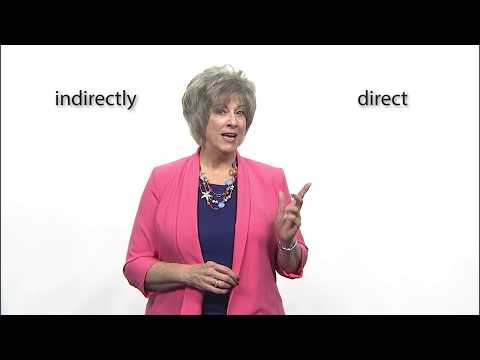
In these videos, Mrs. Walker explains the different parts of our system, the value of our emphasis on vocabulary, and the best way to give your student a clear and helpful grade. You’ll find a summary of each video along with a link to the video on YouTube embedded in this blog post. We trust the videos will be valuable as you help your student gather and present information from his reading.

BJU Press Phonics in Reading

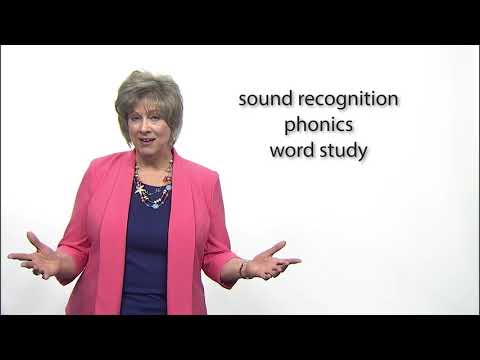
Our phonics system involves four major components that will help your child become a better reader. First, we help your child recognize certain sounds. We help him learn the basic sounds of the alphabet and recognize what each letter sounds like. Second, we combine different letters and present what those combinations look and sound like. Once he knows these sounds, he can begin grouping them into words.

Third, we help him build a vocabulary of sounds and sound-combinations so that he can read new words easily. And finally, we take careful steps to encourage comprehension at every level of reading. We want to help your child to understand the material he’s reading, not just repeat sounds. Our phonics curriculum is an enjoyable and thorough way to help your student become the best reader that he can be.

Vocabulary Versus Service Words

In our lessons, your child will encounter both vocabulary and service words. Vocabulary words are words that may be unique to a story but necessary for your student to fully grasp what the story is saying. We place them in a normal context to make them easier for your child to understand.

Service words, on the other hand, are words that your student is more likely to hear on a daily basis, so we will drill these a little more to help your student incorporate them into his vocabulary. Growing and developing your child’s vocabulary will help him be clearer in his word choices and communicate more effectively.

What Do I Include in a Reading Grade?

It’s completely normal for homeschool parents to struggle with grading their child’s reading abilities. Since you can’t see what your student thinks before he says the words, how can you measure how well he is reading?

First, always remember that the two types of reading have different objectives. Comprehension is the goal of silent reading. How well does your student understand what he reads? Has he gathered all of the meaning that the author wanted to convey? In contrast, communication is the goal of oral reading. Can your child read a piece out loud smoothly without any mistakes? Can he read with appropriate inflection and expressions?

To help you grade both types, we’ve included rubrics and written work to evaluate how well your student is comprehending what he is reading. These items include many questions to clearly show you how much information your child is processing as he reads.

To calculate a final grade, we have provided a prioritized list of the important reading skills to help you give an appropriate grade and help your student progress. Once you’ve finalized the grade, be sure to carefully walk your student through the different parts of the composite grade. Reward the areas where he succeeds, and clearly show him the areas where he needs to grow. Giving your child an accurate measurement of his reading skills will help clarify his reading strengths and address his opportunities for growth.

We hope these videos will help you understand our intentions behind our phonics program and help you accurately track your student’s reading progress.

• • • • •

Matt recently graduated with an MA in communication studies and currently works as a freelance writer. He attributes the wild variety in his current opportunities to the exploration his parents gave him through the homeschooling experience. He enjoys theater, the gym, and choral music and will rarely say no to a cold glass of sweet tea.

Filed Under: Successful Learning Tagged With: grading reading, homeschool, phonics, service words, teaching reading, vocabulary

Motivational Scripture for the New Homeschool Year

August 20, 2019 by Guest Writer

motivational scripture
It’s hard to believe another homeschool year is under way already! Doesn’t it seem like just a few days ago we were putting away last year’s textbooks? Maybe you’re thinking, “School? Bring it on!” Maybe (like me) you’re thinking, “School? Not yet—just a couple more weeks of summer vacation!” Whether we feel ready or not, we can find encouragement and motivation in Scripture as we embark on this new year of learning.

Nothing else has the power to inspire us the way God’s Word can, especially when homeschooling (and life) becomes challenging. These are just a few verses that can help us keep our focus on God as we strive to educate our children for His glory.

Motivational Scripture for Giving Our Best

These passages can encourage us to do our best for the Lord, not just at the beginning of the academic year but all throughout.

Colossians 3:23—Whatsoever ye do, do it heartily, as to the Lord, and not unto men.

1 Corinthians 10:31—Whether therefore ye eat, or drink, or whatsoever ye do, do all to the glory of God.

Romans 12:11—[Be] not slothful in business, [but] fervent in spirit, serving the Lord.

Ecclesiastes 9:10—Whatsoever thy hand findeth to do, do it with thy might.

Gaining Wisdom, Not Just Knowledge

As we seek to help our children grow in academic knowledge, let’s also endeavor to teach them God’s wisdom for life.

Proverbs 1:7—The fear of the Lord is the beginning of knowledge: but fools despise wisdom and instruction.

Proverbs 2:6—The Lord giveth wisdom: out of His mouth cometh knowledge and understanding.

Colossians 4:5—Walk in wisdom toward them that are without, redeeming the time.

Proverbs 4:7—Wisdom is the principal thing; therefore get wisdom: and with all thy getting get understanding.

Proverbs 8:11—Wisdom is better than rubies; and all the things that may be desired are not to be compared to it.

Motivational Scripture for Maintaining Order

Being organized is not only conducive for learning, it’s also a biblical principle.

1 Corinthians 14:40—Let all things be done decently and in order.

Defeating Discouragement

Without a doubt, there will be times we struggle with despondency during this year. Unexpected obstacles, interruptions, disappointment, and tiredness will threaten to steal our God-given joy. One of the best verses to combat discouragement is Galatians 6:9, “Let us not be weary in well doing: for in due season we shall reap, if we faint not.”

Looking Ahead

As we begin this new season, let’s follow Paul’s example in Philippians 3:13–14, “This one thing I do, forgetting those things which are behind, and reaching forth unto those things which are before, I press toward the mark for the prize of the high calling of God in Christ Jesus.” It’s a new opportunity for us and our children to grow in our knowledge of Christ, and His Word is always sufficient for us!

• • • • •

Jennifer is a pastor’s wife and mom of two young girls and loves homeschooling them. During her own twelve years of being homeschooled, Jennifer developed a passion for reading and writing. She earned a bachelor’s degree in creative writing and relishes writing during her free time.

Filed Under: Shaping Worldview Tagged With: back to homeschool, back to school, homeschool, motivational scripture

Homeschool Resources: What Are They For?

August 13, 2019 by Jenna

homeschool resources - visual and manipulative packets
Manipulatives and visuals, oh my! If you weren’t sure what all those books are for, then chances are you’re also not sure about all these extra homeschool resources, either. Do you really need them? Are they worth it?

Let’s take a look at some of the homeschool resources you might need on your homeschool journey.

Manipulatives

Manipulatives are perhaps the most essential “extra” resource you can get. They’re incredibly important for young learners. Manipulatives give students a way to physically experience a concept that they wouldn’t otherwise be able to see, touch, or interact with. They give children an opportunity to experience a concept with all their senses. In other words, they’re using multisensory learning. For instance, how do you teach a child that one and one makes two? Most of us might take one pen, then get another pen, and then count again to find that we have two pens. Those pens become manipulatives that give meaning to the numbers. In math, manipulatives are a key components for helping children develop number sense.

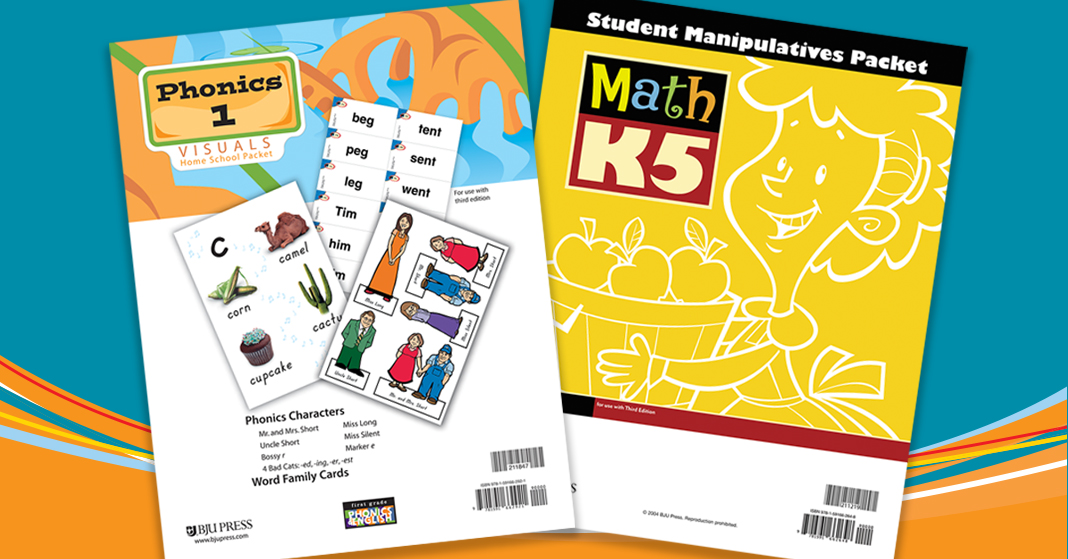
Manipulative packets are specifically designed to match the scope of concepts taught in a particular course. They make life easier for you because, when you get to a new concept, you already have the manipulatives on hand and you don’t have to find things to use. BJU Press offers manipulative packets for math from K5 through Grade 6. Manipulatives also apply to other subjects, but on a much smaller scale than math. Cutouts and suggested items to use as manipulatives are available in the teacher editions and activity manuals rather than being available for separate purchase.

The most important thing is having manipulatives and using them regularly. That said, can’t you just use any old thing in place of the items in a manipulative packet? You could, but it will get harder and harder to find objects to use as manipulatives. What will you use for groups of hundreds, fractions, or unusual shapes? You may be able to save a little bit of money by not buying the packets, but you might lose what it was worth in time and effort.

Visuals

Visuals may seem self-explanatory, right? They’re things for your students to look at as they learn. It’s another aspect of multisensory learning—learning by sight. But a visuals packet isn’t just a bunch of pictures that explain a Bible lesson or illustrations for a reading lesson. They’re packets of charts, graphs, and other visuals that help students interact with concepts in a different way.

For example, BJU Press’s Phonics and English 1 includes visuals for the phonics characters—the Shorts, the Longs, and others. The visuals packet introduces the student to the character and what the character represents. Then as they go through their workbooks, they’ll see those characters again to remind them about the different phonetic rules. Children often find it easier to remember stories than lists of rules. The visual characters weave together a story for them to use as they’re learning phonics. Other visuals might give a plot diagram for a story, a chart for creating paragraphs, and so on.

Most visual packets come with a subject kit automatically, but do you really need them? You’ll have to decide based on what you know about how your child learns. But remember: children don’t always learn just one way, and sometimes they learn different concepts in different ways. You might need visuals for one lesson but not the next. It’s important to have them available even if you don’t always need them.

Unlike the books, these homeschool resources aren’t typically core materials that you’ll need every day. And not every curriculum provider offers them. Whether or not you should purchase them depends on what you need to do to teach a concept effectively. And that’s a question only you can answer.

Filed Under: Successful Learning Tagged With: homeschool resources, learning types, manipulatives, visuals

6 Reasons I Love Online Video Lessons

July 30, 2019 by Megan

online video lessons
I never expected to love online video lessons. When my husband and I first started homeschooling, we used the DVD video lessons from BJU Press. We loved the video content and the high-quality textbooks that came with the program. But I found that I didn’t love managing all those DVDs. Often my daughter would forget to put the DVD back in the case when she was finished with it. Or she would return it to the wrong case. Sometimes she also put the wrong DVD into the player and ended up watching the wrong lesson. These frustrations were magnified when we started homeschooling our second child. I was so ready for an easier solution.

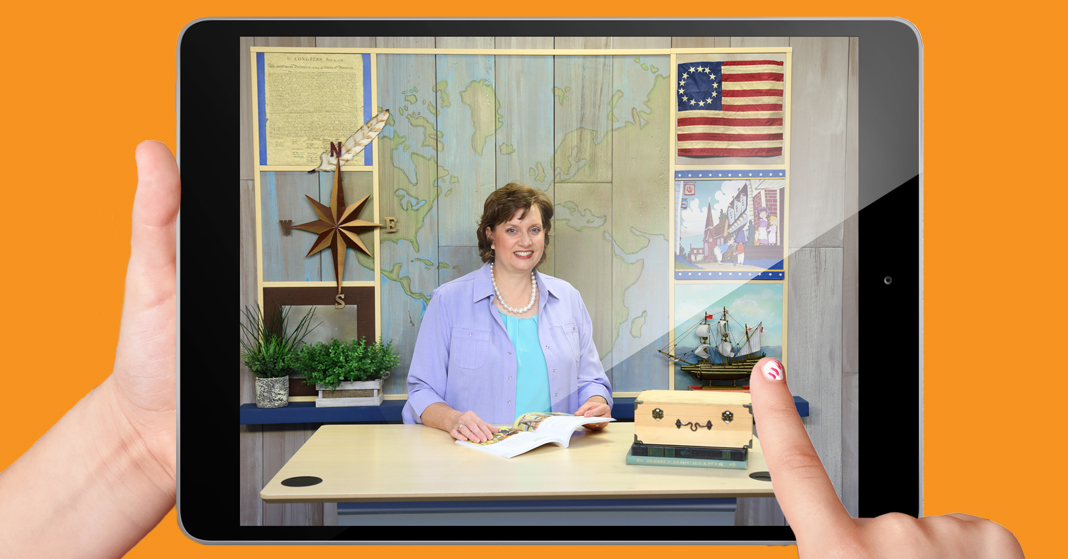
The online video lessons were that easier solution. It provided our family with the same video lesson content that we appreciated so much. It came with the same amazing textbooks—as well as with a lot of “extras” that have made my life as a homeschool mom so much easier. Here’s what I’ve come to love about the online program.

1. The Online Gradebook

Grading (and grade recording) has always been my least favorite part of homeschooling, so I was pleasantly surprised at how much easier it is with online lessons. All the answer keys are available digitally, so I no longer have to store (and hunt for) bulky teacher editions or parent guides. The online program also takes care of all the math involved, and it’s easy to filter the gradebook by grading period, assignment type, or date. It’s also easy to skip assignments that I don’t want my children to do. They can even see their current grades (but not make changes), which is very motivational. Starting this year, my fifth grader will also be able to take many of her assessments online (less grading for me!).

2. The Guide for Online Video Lessons

I’m not sure why, but when we were using DVDs, my children always had difficulty selecting the correct lesson. The online program has eliminated that problem by providing an online road map for every lesson. My children know exactly what they are supposed to do next. This feature has saved us a lot of frustration, and it has helped my children become more independent in regard to their schoolwork.

3. The Video Player

Have you ever wished you could speed up or slow down a lesson? The online video player lets you do just that—with very little effort, you can adjust the speed of the video so that it is just right for your child.

4. The eTextbooks

Not long ago, one of my children lost her science textbook. We searched for it everywhere but couldn’t find it for weeks (it had fallen behind one of our bookshelves). But school went on as usual. One reason it could was that that science textbook was available digitally on the online platform. I was so thankful! Not all textbooks are available in eTextbook format (only the ones that your child would not normally write in, like a science textbook). But you still get all the printed textbooks if you purchase online video lessons using the “with books” option.

5. The Online Parent Community

Homeschooling can often feel like a lonely venture, but not so with the online program. If I have a question about any of my children’s courses or about the online platform itself, there’s always someone ready to help me. I’ve been inspired to see what some other homeschool moms are doing with their children. It’s great to know that I’m not in this alone!

6. The Digital Resources for Online Video Lessons

I’ve already mentioned that the answer keys are available digitally to help with grading, but there are also tons of other digital resources right at my fingertips, such as student handouts, instructional aids, and extended activities. These resources help me better teach my child and save me a lot of time and frustration when something goes missing. I can even access the complete teacher editions through the online platform!

If you’re like me, you probably feel that the “online” aspect of the video lessons is the scariest part. A lot of horrible stuff is out there online, and even the “good” stuff can be very distracting for many students. Reading “How to Keep Your Kids Safe on the Web” was very useful for me because it helped me realize what safeguards I can put in place to make sure learning happens in a safe, controlled way.

If you and your family need an “easier” homeschool solution, check out BJU Press’s online video lessons. You’ll be glad you did!

Filed Under: Simplified Homeschool Tagged With: easy homeschool, online, online learning, video lessons

  • « Go to Previous Page
  • Page 1
  • Interim pages omitted …
  • Page 44
  • Page 45
  • Page 46
  • Page 47
  • Page 48
  • Interim pages omitted …
  • Page 152
  • Go to Next Page »

Primary Sidebar

As parents, teachers, or former homeschool students, we are passionate about homeschooling from a biblical worldview. We hope these teaching tips, fun activities, and inspirational stories support you in teaching your children.

Email Signup

Sign up for our homeschool newsletter and receive select blog posts, discounts, and more right to your inbox!

Connect with Us!

                    Instagram     

Read Posts on Specific Subjects

Early Learning
Foreign Language
History
Language Arts
Math
Science

Footer

Disclaimer

The BJU Press blog publishes content by different writers for the purpose of relating to our varied readers. Views and opinions expressed by these writers do not necessarily state or reflect the views of BJU Press or its affiliates. The fact that a link is listed on this blog does not represent or imply that BJU Press endorses its site or contents from the standpoint of ethics, philosophy, theology, or scientific hypotheses. Links are posted on the basis of the information and/or services that the sites offer. If you have comments, suggestions, questions, or find that one of the links no longer works, please contact us.

Pages

  • About BJU Press
  • Conversation Guidelines
  • Terms of Use & Copyright

Archives

© 2026 · BJU Press Homeschool