• Skip to primary navigation
  • Skip to main content
  • Skip to primary sidebar
  • Skip to footer

BJU Press Blog

  • Home
  • Shop
    • Shaping Worldview
  • Simplified Homeschool
  • Successful Learning

Jenna

So You Want to Be a Homeschooler?

November 27, 2018 by Jenna

get started homemschooling with your family
Whether your first child is almost ready to start school or you’re worn out from years in the school system, you’ve decided to homeschool your children. Now that you’ve made that decision, where do you begin? The homeschool community is a lot bigger than it seems from the outside. It’s full of strong opinions and unique terminology. As you begin, here are a few questions that may be weighing on your mind.

Can I even do this?

You may not have an education degree and are probably feeling like you don’t know a thing about teaching. But don’t let such doubts distract you. The National Home Education Research Institute reports that many homeschooled children perform better on standardized achievement tests than public school students, even if their parents don’t hold higher degrees. Whether you’re homeschooling a special needs child or not, you are just the expert your children need. Ask around, and every veteran homeschool parent will say the same thing. If you’re uncomfortable with teaching or you’re homeschooling several children, consider using video lessons through BJU Press’s Online courses. Our online teachers are experienced and engaging educators who have a passion for Christian education.

What makes a homeschool family successful?

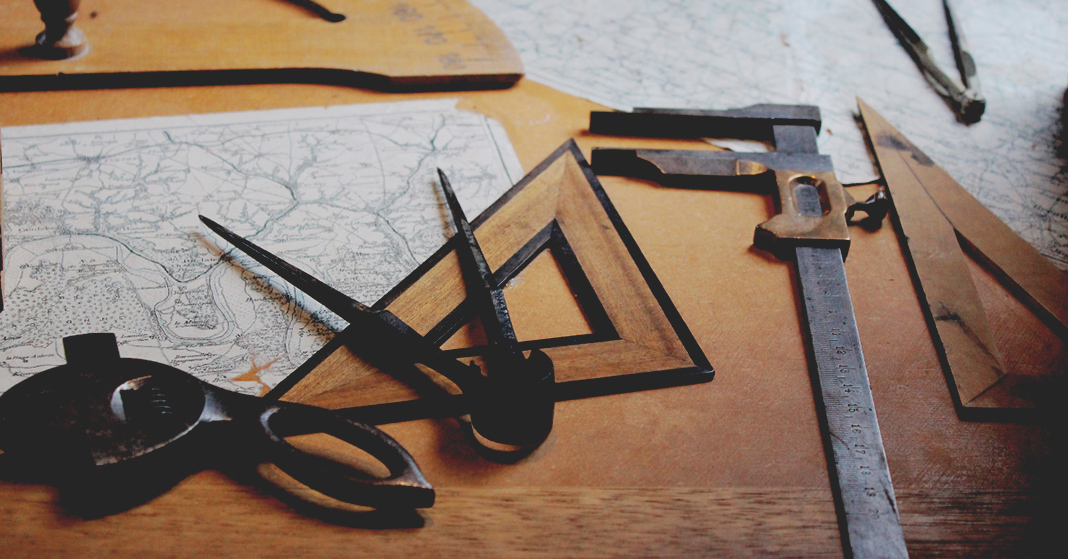
Every homeschool family is different. The choices you make on this journey will set you apart from every other family, from the style you choose to the curriculum you use. But there are two qualities that will equip you to go the distance—stability and flexibility. Successful homeschool families know that there are certain things they can’t or shouldn’t change about their experiences. These things are like signposts that direct the rest of your journey.

But on the other side, homeschool families also know that many elements of their journey are beyond their control. In order to keep moving forward, they stay flexible so that the inevitable changes that they face won’t become roadblocks. As you grow and learn as a family, you’ll discover that what worked when you began may eventually stop working. You will need to change and adjust as you go, and you will need the flexibility to accept new changes.

What should I expect as I get started homeschooling?

Your homeschool journey will be unique to you and your family. Because of that, you shouldn’t jeopardize the success of your homeschool by sliding into the trap of comparison. Your journey doesn’t have to fit into any particular mold because there aren’t many absolutes in the homeschool world. That makes it hard to foresee what your specific homeschool will look like. Much of your experience will be dependent on the goals you set for yourself and your family and on your specific reasons for homeschooling.

Do I have to do it alone?

Many homeschool families agree that it’s a lonely calling, but you don’t have to resign yourself to being isolated. There are plenty of online communities and local homeschool groups that you can join. Consultants with HomeWorks by Precept, partners with BJU Press, delight in bringing homeschool families together to share experiences and insights.

If you’re ready to jump into this homeschooling thing feet first, please sign up to receive our free eBook, “A Guide to Homeschooling,” and learn more about the road ahead of you. Be sure to fill out the Homeschool Preparation Checklist at the end, and feel free to ask questions in the comments section below.

Filed Under: Simplified Homeschool Tagged With: getting started, new homeschooler, new to homeschool

New Additions for Your Thanksgiving Meal Plan

November 15, 2018 by Jenna

your thanksgiving meal plan
We’re only a few days away from Thanksgiving, and many of us are already planning and preparing for the great feast. What was your family’s favorite part about last year’s Thanksgiving meal plan? What did you have entirely too much of afterwards? Was there anything that wasn’t as popular? (Personally, I think all Thanksgiving meals would be better with more mashed potatoes and much less stuffing.)

If you’re looking to adjust your Thanksgiving meal plan or try something new, here are a few Thanksgiving favorites from the writers of the BJU Press Homeschool blog!

Sharon’s Baked Corn

Ingredients

1 qt. corn, frozen or fresh

2 eggs, beaten

1 tsp. salt

1 cup milk

1/8 tsp. pepper

2 tsp. oil

3 Tbsp. sugar

3 Tbsp. flour

Directions

  1. Mix all ingredients well in a bowl. Pour into a greased slow cooker.
  2. Cook on high for 3 hours and then on low for 45 minutes.

Sharon loves this recipe because it gives her an easy but delicious side dish to have cooking while she’s focusing on other, more involved dishes.

Megan’s Shoo-Fly Pie

Ingredients

1 cup flour

1 Tbsp. shortening

2/3 cup brown sugar, packed

1 cup dark Karo Syrup

1 egg, beaten

3/4 cup water

1 tsp. baking soda

1/4 cup hot water

1 pie crust

Directions

  1. Mix sugar, flour, and shortening until crumbs form and reserve ½ cup for top of pie.
  2. In another bowl, blend together syrup, egg, and ¾ cup water.
  3. Combine crumbs and syrup mixture with spoon.
  4. Dissolve baking soda in ¼ cup hot water and add to mixture.
  5. Pour into pie crust shell and top with ½ cup reserved crumbs.
  6. Bake at 350 for 50 minutes.
  7. Serve with whipped cream.

Megan loves this recipe because it has deep roots in Pennsylvania, where she grew up, and making it for Thanksgiving gives her an opportunity to share her history with her daughters.

Jenna’s Cranberry Salad

Ingredients

1 bag cranberries, fresh

6 apples, red delicious

20 oz. can pineapple chunks with juice

12 oz. tub whipped cream

Directions

  1. Core and slice the apples.
  2. Use blender or food processor to finely dice apple slices and cranberries.
  3. In a bowl, thoroughly mix diced apples and cranberries together with pineapple chunks, undrained.
  4. Transfer to strainer with a bowl to catch the juice; allow the mixture to drain overnight or at least 6 hours in the refrigerator.
  5. Transfer mixture back to bowl and combine with whipped cream. Serve chilled.
  6. Bonus juice: Draining the diced cranberries, apples, and pineapples will yield up to three cups of juice. Mix the juice into a pitcher of cold water or seltzer water. Add sugar to taste.

For me, Thanksgiving never feels complete without a big bowl of my mother’s cranberry salad. After she passed away, I took on the task of making it every year and sharing it with friends and family wherever I happen to be on Thanksgiving.

As the psalmist said, “Oh that men would praise the Lord for his goodness, and for his wonderful works to the children of men! For he satisfieth the longing soul, and filleth the hungry soul with goodness” (Psalm 107:8–9).

Filed Under: Simplified Homeschool Tagged With: meal plan, Thanksgiving, thanksgiving recipes

Staying Healthy in Your Homeschool This Flu Season

November 13, 2018 by Jenna

staying healthy with tea
Did you know that this year is the one-hundred-year anniversary of the global outbreak of the Spanish flu? It was the worst pandemic in the history of the world, killing 50 to 100 million people worldwide. And today, everywhere you turn, there’s coughing, runny noses, and tissues. It may not be a second outbreak of the Spanish flu, but flu season is definitely here. As you take steps to keep your family healthy, don’t forget the familiar tips for avoiding sicknesses. You may start dosing your children with vitamins—if you don’t already—and remind them daily to cover their mouths when they cough or sneeze. Here are a few more reminders for staying healthy when all around you are falling ill.

Wash Your Hands When You Get Home

At school, children pass around germs and sickness like some wild game of hot potato. Since you homeschool, you already have a big advantage. But your children still get exposed to sicknesses whenever they go out—to church, homeschool co-ops, the store, the library, or even sports games. It’s important for them to wash their hands as soon as they get back home. You may even consider keeping a bottle of hand sanitizer by your front door or in your purse.

Let Your Lifestyle Support the Immune System

It’s a simple truth that our daily routines do more for (or against) our immune systems than anything else we can do. More than ever, now is a good time for you to ensure that your children are getting plenty of sleep, eating right, and exercising. Are you an early-morning homeschooler? Consider pushing your start time back to ensure your children are getting a full eight to ten hours of sleep. Have picky eaters? Consider trying some new recipes to make healthy greens more appealing. Too cold to play outside? Consider some indoor games that include movement and exercise.

Learn About the Human Body

Perhaps the best way to ensure that your children stay healthy this flu season is to give them a healthy understanding of how their bodies work. The more they know about what keeps them healthy, the more capable they will be of making wise decisions throughout the day. Each grade of the BJU Press elementary science line includes a unit about the human body and its systems. If you haven’t reached it yet, consider skipping ahead to cover it early. Science 1 even features a special discussion on staying healthy.

So what does staying healthy this flu season have to do with the Spanish flu? While the average strain of flu won’t be nearly as deadly as the 1918 one, flu viruses still pose a very serious threat to many. Doing their best to stay healthy is a small service your children can do for others who may have compromised immune systems or may be at severe risk from the spread of a virus.

Filed Under: Simplified Homeschool Tagged With: flu, health, history, human health, Spanish Flu

Grammar Tools to Boost Your Child’s Writing Ability

October 30, 2018 by Jenna

grammar tools for NaNoWriMo
The beginning of National Novel Writing Month (NaNoWriMo) is just a few days away. Have you thought about using the NaNoWriMo challenge in your homeschool? Have you made any preparations? If you have, you may be concerned about whether your child is grammatically ready to write a whole novel in a month’s time. But tools you can use will make the process a little bit easier. Consider using these free online grammar tools over the next month.

Before Writing: Reviewing Concepts with AfterSchoolHelp

You know your children best, and if you have one who struggles with a specific grammar issue, then sending him or her to BJU Press’s AfterSchoolHelp site might be a good solution. BJU Press developed AfterSchoolHelp as a digital tutor for math, but it has since expanded to include resources for language arts and Spanish, as well. On AfterSchoolHelp.com, you can have your child watch review videos and complete practice activities on specific concepts. AfterSchoolHelp offers activities that correlate with BJU Press textbooks in Grades 4–12.

During Writing: Using Grammarly

Many people use Grammarly as a tool for checking grammar, spelling, and writing style. Grammarly works both as an app that you can use on a browser or phone and as a proofreading service. Once you create an account, you can upload whole documents to be checked. The program will mark potential errors for your child’s consideration, with a brief explanation of the rule related to the error. Like many such tools, it’s never perfectly accurate, and your child will have to think carefully about the suggested revisions.

After Writing: Assessing and Developing Skills with Quill

Quill.org is a web-based resource designed for teachers to use in the classroom, but it’s also free for you to use in your homeschool. In order for it to work, you will need to create one account for you as the parent/teacher and another for each child as a student. Quill offers a proofreading practice tool that your children can use to prepare for editing a novel. In proofreading activities, the students correct example papers. Once they’ve finished making corrections, the system will evaluate the changes made. It then provides practice activities based on the items missed. This can be especially helpful for children who want to improve their writing after completing a novel. And there are many other resources included in Quill that you may find helpful in developing your children’s writing abilities.

Remember, NaNoWriMo is all about the drafting process. If you want your children to participate in it, or get as many words written as they can, they won’t be able to stop to think about grammar. So these tools will be most effective when used for preparation, overcoming specific grammar-related roadblocks, and for improving overall writing ability.

Filed Under: Successful Learning Tagged With: grammar, homeschooling NaNoWriMo, NaNoWriMo, online resources

Math Automaticity: The Secret Key to Math Success

October 16, 2018 by Jenna

math automaticity with M&Ms
If you’ve read any educational articles about teaching math, you may have come across the term automaticity. It may seem like a scary word, but it’s not. It simply refers to the ability to do something without thinking about it, or automatically. In math, it most often refers to the ability to use basic math facts without thinking about them. So when solving 5 + 5, you don’t have to count up the fingers on your left hand and the fingers on your right hand to make 10. You just know that 5 + 5 equals 10. Math automaticity isn’t scary at all, right?

But how do you bring your children to the point where they are demonstrating math automaticity? As with most subjects, learning math is a process. Working their way through the process guides them towards automaticity.

Start Early to Develop Number Sense

Most children begin developing number sense early—before kindergarten. The BJU Press K3, K4, and K5 materials use songs, number games, and other activities to help children develop an early sense of math. Having your children participate in board games and dice games while they’re still very young also helps them develop number sense. These early stages are crucial in your child’s development. Studies show that early math and number skills (even more than reading skills) predict how well a child will perform academically later on.

Add Manipulatives

Manipulatives play a key role in math learning by helping students to visualize throughout the process. They help solidify children’s number sense and give them tools to connect abstract math concepts to the real world and creation. That’s why all the elementary level BJU Press math courses include manipulative packets.

Review and Review Again

Once your children have a strong number sense and manipulatives to work with, they will need to practice their math skills. Simply understanding a math concept and how it works doesn’t mean that they have automaticity for that math concept. They need to practice the same concepts in new situations to create familiar problem-solving paths in their minds.

For example, when I was a kid, I struggled with knowing my right from my left. But I knew that I was right handed. I also knew that the hand that makes the L was my left hand. Whenever I needed to figure out right and left, I thought about which side my dominant hand was and which side made the L. I did that so often as a child that the thought process made mental ruts. I don’t go through that whole process now because I don’t have to. That kind of repetition is what makes the review books in elementary math so important. They provide additional practice opportunities of the day’s lesson as well as a spiral review of previous lessons. Each time your children encounter a familiar problem, they’re digging those mental ruts deeper and coming to solutions faster.

Unless you’re a math person, you may be wondering why it’s important for your children to be so proficient in math that they can do it all in their heads. In fact, many parents often think of math as less important than reading. But by going through this process of developing math automaticity in your children, you’re also enabling them to go further and do more with math. And the further they go in math, the more developed their logic and critical thinking skills become. In the end, you may not be teaching the next Einstein, but you definitely want to train up children who think logically and critically when faced with difficult decisions and complicated variables.

Filed Under: Successful Learning Tagged With: automaticity, homeschool, homeschool math, math, math automaticity

  • « Go to Previous Page
  • Page 1
  • Interim pages omitted …
  • Page 10
  • Page 11
  • Page 12
  • Page 13
  • Page 14
  • Interim pages omitted …
  • Page 23
  • Go to Next Page »

Primary Sidebar

As parents, teachers, or former homeschool students, we are passionate about homeschooling from a biblical worldview. We hope these teaching tips, fun activities, and inspirational stories support you in teaching your children.

Email Signup

Sign up for our homeschool newsletter and receive select blog posts, discounts, and more right to your inbox!

Connect with Us!

                    Instagram     

Read Posts on Specific Subjects

Early Learning
Foreign Language
History
Language Arts
Math
Science

Footer

Disclaimer

The BJU Press blog publishes content by different writers for the purpose of relating to our varied readers. Views and opinions expressed by these writers do not necessarily state or reflect the views of BJU Press or its affiliates. The fact that a link is listed on this blog does not represent or imply that BJU Press endorses its site or contents from the standpoint of ethics, philosophy, theology, or scientific hypotheses. Links are posted on the basis of the information and/or services that the sites offer. If you have comments, suggestions, questions, or find that one of the links no longer works, please contact us.

Pages

  • About BJU Press
  • Conversation Guidelines
  • Terms of Use & Copyright

Archives

© 2026 · BJU Press Homeschool