One summer as a young teenager, I begged my parents not to give me a teaching role in our backyard Bible club. My big sister was the one that all the kids adored, and besides, I got stage fright, even in front of a crowd of five-year-olds. Somehow, I still ended up teaching the missions story for the club. At the first meeting, I read the story directly from the book, making little eye contact with the children. To my surprise, they eagerly listened, and I slowly started to engage them more.
Another summer during my high school years, my parents sent me to a Christian youth camp that focused on preparing teens to lead Bible clubs. We learned how to creatively introduce, explain, and review memory verses and songs. We took notes on the components of a Bible lesson and the basics of classroom management. We practiced sharing the gospel. After our training, we spent the rest of the summer going into the neighborhoods of our city and leading week-long Bible clubs. It was during that time that my heart was irreversibly captured with a love for teaching children, especially teaching them biblical truth.
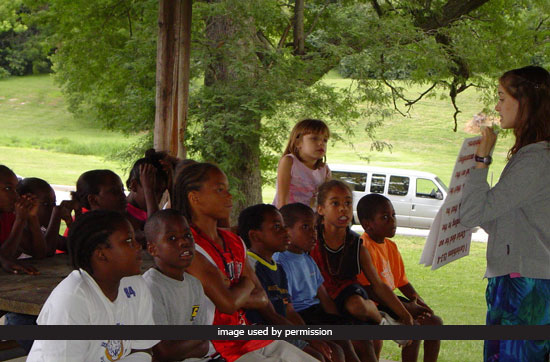 The next few years brought more opportunities to sharpen my newfound desire to educate—from teaching in Sunday school, vacation Bible school, and after-school Bible clubs to teaching English as a second language in China. I eagerly consumed articles, books, and courses on effective teaching. I even took notes while observing my favorite teachers at church, on BJU Press videos, and at college. Now I have the joy of teaching my own children, the most challenging and rewarding teaching role I’ve ever had. I’m thankful my parents gently pushed me into teaching, unlikely candidate though I was.
I’d like to encourage parents to think of ways they can give their teenage students opportunities to develop teaching skills. It may not come naturally, but students can learn through avenues such as mentoring under an experienced Sunday school teacher, taking a teaching class, reading a book on effective teaching, practicing with younger siblings, and volunteering for children’s ministries at their local church.
The benefits your students will receive from improving their speech and communication skills through teaching might initiate a lifelong career. Learning to teach will likely be an asset in their future families (perhaps even through home education), church ministries, and careers. How will you encourage your teenage students to step out from behind the student desk, face the crowd, and teach?
 Ideas of how to be a support and encouragement to volunteers already in the trenches are limited only by our imaginations. Do you know someone who delivers food for the Meals on Wheels Association of America™? Could they use a meal now and then after a busy day of serving others? Would your local fire station welcome a few gallons of homemade lemonade on a hot summer day? Do you have a regular magazine subscription causing clutter around the house that a literacy volunteer could use in an adult reading class? Are diapers on sale at a store in your community that volunteers at your local pregnancy crisis center would gladly receive?