• Skip to primary navigation
  • Skip to main content
  • Skip to primary sidebar
  • Skip to footer

BJU Press Blog

  • Home
  • Shop
    • Shaping Worldview
  • Simplified Homeschool
  • Successful Learning

Guest Writer

This post was written by a guest writer for BJU Press. If you have any questions regarding this post, please direct them to [email protected].

Tips for Road Trips

November 20, 2018 by Guest Writer

tips for road trips
You may be joining the thousands of others traveling for the holidays. Thankfully, my family lives literally across the street, and my husband’s side lives only an hour away, so we have it easy! But since we used to live about 675 miles away from family, I can completely relate to traveling with small children for long distances. Road trips can be challenging, to say the least; but we’ve found some useful ideas for entertaining the family that may help you keep your sanity if you’re traveling this holiday season.

For the Little Ones

If you have toddlers, try these ideas to keep them occupied in the car:

  • Arts and crafts. Bring plenty of coloring books and crayons, or drawing paper and colored pencils. Don’t forget a lapboard or other hard surface for them to write or draw on!
  • Books with lots of pictures. With these, you can ask them to find as many specific items as they can.
  • Books you can read to them. I used to sit in the back seat between our daughters and read them one story after another. They loved it!
  • Sing-along or story CDs. Our girls listened to these for hours. It really helped the time pass quickly.
  • Snacks. I’ve learned to pack lots of these for long road trips! If our girls were starting to get extra fidgety, I’d give them a sucker, and it would content them for quite a while. Of course, I tried not to load them up with sugar—that can majorly backfire!
  • Toys. We would let our daughters choose a few of their favorite toys to play with in their seats. I usually ended up playing silly games with them, not only to entertain them but also to hear their contagious giggles.

For the Older Ones

Traveling with children actually gets easier as they get older because you’re able to play different games with them, such as:

  • Twenty questions. It’s a classic time-filler! We like to play a Bible version of this that involves guessing a person, place, or thing mentioned in Scripture. With 66 books to choose from, you can come up with a plethora of possibilities.
  • License plate game. Keep track of how many other states each family member can spot on license plates and tally points. Award extra points for license plates from places outside the US, such as Canada.
  • Board games. Lots of travel-size board games are available, such as checkers, Trouble, chess, Connect Four, and so on.
  • Bible verse game. This one can be especially helpful if you get stuck in traffic. Have each family member quote a verse that starts with a  given letter of the alphabet in sequence. For example, for A someone could quote, “As a man thinks in his heart, so is he.” The next person would quote a verse that begins with B, and so forth. References are optional.

If you’re all gamed out, you can listen to a sermon, read, or just spend time talking as a family. Road trips can be great opportunities to connect with and encourage each other in the Lord. Hopefully these ideas will help you on your next long journey!

• • • • •

Jennifer is a pastor’s wife and mom of two young girls and loves homeschooling them. During her own twelve years of being homeschooled, Jennifer developed a passion for reading and writing. She earned a bachelor’s degree in creative writing and relishes writing during her free time.
Filed Under: Successful Learning Tagged With: games, ideas, traveling

The Twelve Days of Thanksgiving

November 1, 2018 by Guest Writer

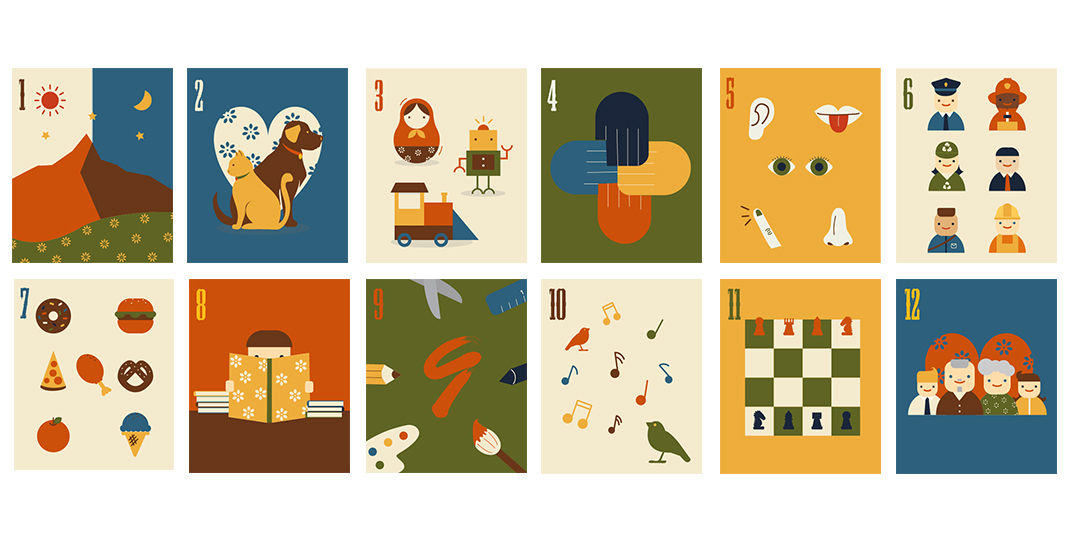
twelve days of thanksgivingAre you looking for a new way to celebrate Thanksgiving together as a family? Use this guide to enrich the Thanksgiving experience and build a culture of gratitude in your home, starting a little over a week or so before the holiday itself. If you like, you can download and print this Twelve Days of Thanksgiving poster to hang on your fridge or on a wall in your homeschool room to go over with your kids each day. You can even turn it into a song and sing it to the tune of the familiar Christmas carol.

“On the first day of Thanksgiving, the Lord God gave to me . . .”

One Beautiful Creation 

Start your family’s days of Thanksgiving with the big picture—the beautiful world God made for human beings to live in. How can we show God we’re grateful for this planet? Talk to your kids about how they can be good stewards of the world and appreciate its beauty.

Two Family Pets

Does your family have a pet? Ask your children to think about how your pet(s) add value to your life. If you don’t have a pet, consider pets they enjoy at friends’ or relatives’ homes. How can your kids show love to some of the special animals God has placed in their lives? Treats, an extra-long walk, playtime, petting, or some soft words of affection are all great ways to show love to your family pet.

Three Fun Toys

Play is one way that children can glorify God! It’s part of what they’re meant to do as they grow and develop. Ask your kids to select three of their favorite toys and thank God for those items. To enrich the experience, discuss the origins or makers of some of the toys.

Four Friendships Given

Fellow church members, neighbors, homeschool co-op pals, sports teammates—your children’s lives are full of friends. Have each child compose a list of his or her four closest friends. They can send each friend a quick email or note, make a phone call or Skype call, or drop by for a visit. Encourage your kids to thank these people for their presence in your family’s life.

Five Senses Sound

Encourage your children to think about their five senses of hearing, taste, touch, smell, and sight. For which of those five senses are they the most grateful? Do you know anyone who lacks one of those five senses? How can you show love to that person today?

Six Public Servants

Who are the helpers in your community? Talk to your kids about the important roles of firemen, policemen, the mayor, road crews, mail carriers, and garbage pickup teams, among others. All of these people keep your town or city functional and beautiful. How can you thank them today?

Seven Favorite Foods

This is “favorite food” day! Create a list for each child, featuring his or her seven favorite foods. Choose one food from each list that you can all enjoy; and be sure to thank God specifically for those delicious treats!

Eight Books for Reading

Today is a wonderful day for reading! Ask each child to select eight favorite books; then read one or two from each stack! Maybe your kids would enjoy writing a thank-you note to an author or illustrator, expressing their gratefulness for a favorite story or novel.

Nine Crafts for Making

God gave us creative ability! Celebrate that gift today by having your kids select their favorite art supplies—crayons, pencils, googly eyes, glitter glue, craft sticks, and so on. Using those items, create nine different Thanksgiving-themed pieces of art! And thank God for art and self-expression as you work on the projects.

Ten Songs for Singing

Music is a beautiful part of God’s creation, from the songs of the birds to the ability humans have to create rhythm and melody. Talk to your children about music today! What are the favorite musical styles in your household? Favorite songs or hymns? Create a playlist and enjoy the beauty of music together.

Eleven Games for Playing

Break out the board games! Have your kids choose some of their favorite board games or card games and play them together. Don’t forget to include games of pretend too—role-playing games are a natural and exciting part of child development.

Twelve Loved Ones Caring

Today, your kids can be thankful for each other. Parents, grandparents, aunts, uncles, cousins—you may have trouble limiting this list to twelve, and that’s OK! As your kids think of more and more people who love them, they’ll realize on a deeper level how much they have to be thankful for—on Thanksgiving Day and every day.

• • • • •

Rebecca is a work-at-home freelance writer, novelist, wife, and the mom of two bright-eyed little ones. She credits her success in writing and her love of books to her own mom, who homeschooled three kids from pre-K through high school.

Filed Under: Simplified Homeschool Tagged With: gratitude, Thanksgiving, twelve days of christmas song

Teaching Your Kids to Make Christmas Gift Budgets

October 25, 2018 by Guest Writer

setting Christmas gift budgets
Christmastime can be overwhelming not just for adults but for children too. “You want this! You need this!” scream the ads on TV, on the radio, at the mall, in the mail—and it’s all designed to incite greed and the desire for more. Sure, we love to see those happy smiles when our kids get something precious they’ve longed to own, but Christmas is primarily about the blessing of giving. By teaching your kids how to develop their own Christmas gift budgets, you’re reinforcing that focus on giving and encouraging financial responsibility at the same time.

Making a List

Sit down with your kids and create a Christmas list together, not of things they want to receive, but of people they love—close family members, other relatives, neighbors, teammates, and friends. For some of the people on the Christmas list, each child will want to make or purchase a separate, special gift. For others, the gift could be a joint one from your whole family. You could have your kids color code those who will receive individual gifts and those who will get a joint gift.

Setting a Total Amount for the Gift Budgets

Whether your children are planning on buying the Christmas gifts or making them, they’ll need a budget. Explain that even a handmade gift costs something in time, effort, and supplies. Since your kids may be new to this concept, suggest a total budget amount for each child. This amount could be money they earn or money that you give them to spend.

Dividing Up the Funds

Here’s where the math comes in! Ask each child to divide the total amount of his or her budget by the number of people on the Christmas list. The result is the per-person Christmas budget. You could also suggest that your kids spend a little more on the people closest to them and a little less on others. Younger kids need help with this part, but the older children can figure out the math on their own.

Making the Purchases

As your children are shopping for gifts or supplies, they’ll probably be tempted to overspend or to buy something for themselves. Encourage them to stay focused, stick to their per-person amount, and look for items of decent quality. It’s all about planning ahead and resisting the impulse buy, yet still finding or creating something that shows love.

Are you ready to refocus your children on giving rather than getting? You’ve got two months before Christmas—plenty of time to help them work on a budget, make some gifts, shop strategically, and enjoy the sweet spirit that comes with thinking more about others and less about self. After all, “It is more blessed to give than to receive” (Acts 20:35).

• • • • •

Rebecca is a work-at-home freelance writer, novelist, wife, and the mom of two bright-eyed little ones. She credits her success in writing and her love of books to her own mom, who homeschooled three kids from pre-K through high school.

Filed Under: Successful Learning Tagged With: budget, Christmas, homeschool, homeschool budget, homeschool Christmas

Escaping the Busyness Trap

October 18, 2018 by Guest Writer

escape the busyness trap
A trap is ensnaring many families today—the trap of busyness. Homeschool families seem to be among the busiest. Besides school, parents and children are also involved in co-ops, sports, music lessons, and other programs. From the time family members get up in the morning until bedtime at night, their days are packed doing something or going somewhere, and even free time is filled with some sort of activity. Their days become an unending series of appointments, games, practices, and lessons that leave them exhausted, but they seem unaware of the box this busyness trap puts them in.

The Harmfulness of the Busyness Trap

A good question to ask is “Why are we so busy?” Because we don’t want our children to miss out on something really important? Perhaps because we feel pressured by society to add extra activities to our schedules? It almost seems as if it’s a competition among families to see who’s the busiest! Of course, the many things we have to do contribute to busyness: work, school, doctor’s appointments, housework, and so on. In addition to those we have so many good options for providing our children a well-rounded upbringing, such as music, art, and sports. But all these things, beneficial as they may be, can also bring unintended stress to our lives.

This extra busyness can harm us in various ways—physical weariness, emotional strain, spiritual weakening, and even academic regression. Pouring all our time and energy into so many different activities can rob us of the strength we need to focus on what is most vital—worshiping and glorifying God. And when we’re not doing that, every other area in our life suffers. Nothing is more important than our personal relationship with God, and no program can make up for one-on-one fellowship with Him. Even busyness in serving the Lord can become a hindrance if we’re not careful. Ministry should never come before communion with God. Jesus Christ is the perfect example of balancing service and fellowship. He was busy to the point of exhaustion but never to the detriment of His relationship with His Father.

Precautions to Take

How can we avoid falling into the busyness trap? First, we need to evaluate all the activities we’re involved in and prayerfully consider what level of busyness our family can handle. Every family is different and views busyness from a different perspective. Instead of comparing our schedules to other families’ routines, we should arrange our own according to what we believe will honor the Lord.

Now’s the time to teach our children to be busy in things that matter for eternity and then prioritize other activities. My husband recently made the observation that a busy life does not necessarily mean a full life. It’s OK to slow down, relax, and enjoy restful times with our families. By God’s grace, we can learn to balance busyness in a way that pleases Him.

• • • • •

Jennifer is a pastor’s wife and mom of two young girls and loves homeschooling them. During her own twelve years of being homeschooled, Jennifer developed a passion for reading and writing. She earned a bachelor’s degree in creative writing and relishes writing during her free time.

Filed Under: Simplified Homeschool Tagged With: busyness, homeschool activities, time

5 Ways to Use Leaves in Your Homeschool This Fall

October 11, 2018 by Guest Writer

use leaves in your homeschool
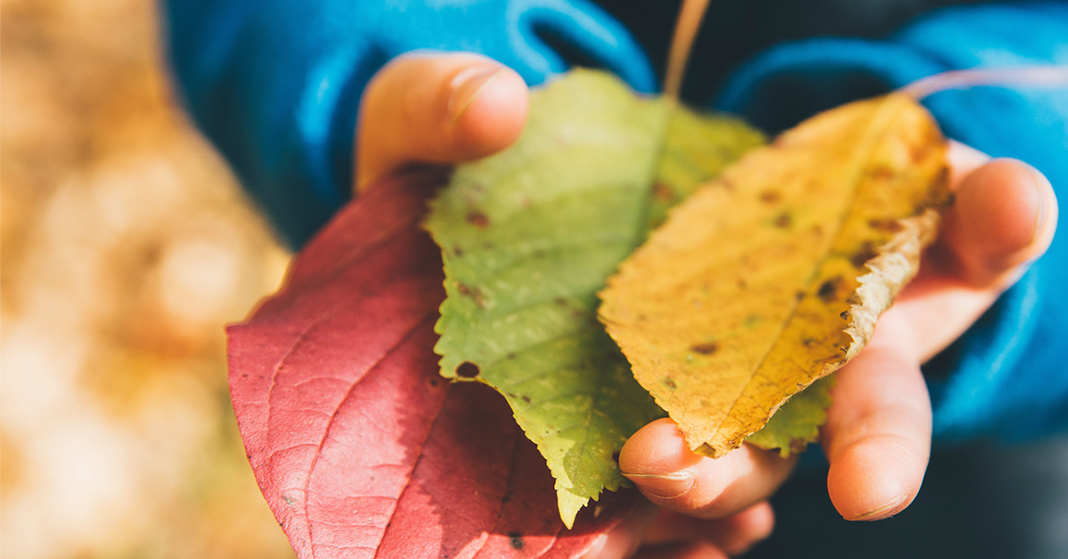
One of the wonderful things about homeschooling is the freedom to adapt your lessons to the seasons or to your kids’ needs! This autumn, why not incorporate natural elements, fresh air, and movement to spice up those lessons? Check out these five ways to use leaves in your homeschool lessons.

1. Hone those identification skills.

One way to use those fall leaves is to have a classification session. Run outside with your kids and gather up some freshly fallen leaf specimens. Make sure your kids bring back several different kinds of leaves, of various shapes, sizes, and colors. With the help of the internet, some library books, or a BJU Press textbook, your kids can compare the leaves they have found to the pictures they see. Once they note the specific traits of each leaf, they’ll be able to identify which kind of tree it came from.

2. Have a homeschool microscope session.

There are a million fun and educational things you can do with a microscope; so if you don’t already have one, consider investing in a small, inexpensive model for starters. Maybe you can borrow one from a friend for this lesson.

After the initial “Wow!” moment when your kids see an autumn leaf under the microscope for the first time, ask them to describe what they see in a few sentences. Do leaves from various kinds of trees appear different under the lens?

Consider comparing a leaf that’s still green with one that is red or yellow. How do they look under the microscope when compared to a leaf that’s very brown and dry?

3. Create fall leaf art pieces for your homeschool.

For your homeschool art class, why not make leaf rubbings, leaf lanterns, leaf puppets, leaf masks, or leaf crowns? You can also create garlands, wreaths, prints, and collages with the leaves. Or just give your kids a bunch of art supplies (like glitter, glue, chalk, paper, yarn, and googly eyes) and see what they come up with! This post from HandsOnAsWeGrow.com includes links to dozens of fall leaf crafts.

4. Get down to the molecular level.

Older kids may be more interested in the actual process by which leaves change color. Talk with them about the cellular structure of the leaves and about the presence of carotenoids and other pigments. You’ll find excellent material in the BJU Press science textbooks as well as on the Harvard Forest website and at Environmental Education for Kids website.

5. Use leaves as math manipulatives in your homeschool lessons.

Almost anything can become part of a math lesson! To add seasonal flair, let your preschoolers or kindergartners count some fall leaves. For elementary-aged kids, teach fractions by snipping the leaves into sections and showing what three-fourths or two-fifths might look like.

Once you’ve used the leaves for your lessons, they’ll probably be crumbling and falling apart. That’s a great time to talk to your kids about properly disposing of yard waste and recycling it if possible. Fallen leaves can become mulch for your flowerbeds or an addition to your compost pile. In God’s world, nothing is wasted—even the death of the summer leaves enriches the earth and enables new life in the spring.

• • • • •

Rebecca is a work-at-home freelance writer, novelist, wife, and the mom of two bright-eyed little ones. She credits her success in writing and her love of books to her own mom, who homeschooled three kids from pre-K through high school.

Filed Under: Successful Learning Tagged With: fall leaf art, fall leaf crafts, homeschool, homeschool lessons, math manipulatives

  • « Go to Previous Page
  • Page 1
  • Interim pages omitted …
  • Page 17
  • Page 18
  • Page 19
  • Page 20
  • Page 21
  • Interim pages omitted …
  • Page 30
  • Go to Next Page »

Primary Sidebar

As parents, teachers, or former homeschool students, we are passionate about homeschooling from a biblical worldview. We hope these teaching tips, fun activities, and inspirational stories support you in teaching your children.

Email Signup

Sign up for our homeschool newsletter and receive select blog posts, discounts, and more right to your inbox!

Connect with Us!

                    Instagram     

Read Posts on Specific Subjects

Early Learning
Foreign Language
History
Language Arts
Math
Science

Footer

Disclaimer

The BJU Press blog publishes content by different writers for the purpose of relating to our varied readers. Views and opinions expressed by these writers do not necessarily state or reflect the views of BJU Press or its affiliates. The fact that a link is listed on this blog does not represent or imply that BJU Press endorses its site or contents from the standpoint of ethics, philosophy, theology, or scientific hypotheses. Links are posted on the basis of the information and/or services that the sites offer. If you have comments, suggestions, questions, or find that one of the links no longer works, please contact us.

Pages

  • About BJU Press
  • Conversation Guidelines
  • Terms of Use & Copyright

Archives

© 2026 · BJU Press Homeschool