• Skip to primary navigation
  • Skip to main content
  • Skip to primary sidebar
  • Skip to footer

BJU Press Blog

  • Home
  • Shop
    • Shaping Worldview
  • Simplified Homeschool
  • Successful Learning

Remembering the 100th Veterans Day

November 8, 2018 by Ben

honoring Veterans Day
This year marks the hundredth anniversary of the end of World War I. It was a war that transformed the world and planted the seeds of conflict that would erupt again and again over the next century. But in the days immediately after it ended, Europeans were grateful to be free from the devastating war. More than 15 million people lost their lives during the war. Many today recognize the US military’s contribution to breaking the stalemate in France and bringing the war to an end.

Benefiting Others

America didn’t mobilize for war in 1917 to establish an empire. Our forces went across the ocean to counter an invading force in France. We went into the war knowing the risks. The use of chemical weapons and trench warfare meant more fatalities. Yet the American public grew convinced that Germany was at fault for the war. Americans were particularly outraged over the Germans’ unrestricted warfare (e.g., the sinking of the Lusitania and other brutal attacks on civilians).  So without any interest in acquiring territory, America raised an army and built a navy to counter the German forces.

Making a Difference

American forces arrived at a crucial time. French troops had brought the German invasion to a standstill. In the end, they and their British allies were incapable of driving the enemy out. They needed help. At the same time Russia, collapsing into civil war, was ready to make peace with Germany—a development that would free thousands of German soldiers to move into France.

In a series of coordinated attacks (the Hundred Days Offensive) resulting in perhaps as many as a million Allied casualties, American, British, and French soldiers broke through the German lines. This was the bloodiest offensive American soldiers had ever participated in. The victory was decisive, and Germany was ready to admit defeat.

Celebrating Victory

Since the Armistice, or cease-fire, took effect on November 11 (at 11:00 a.m. on the 11th day of the 11th month), Americans established an annual commemoration of the victory on that day. Of course, the soldiers who survived were the celebrities of the celebration, which was only fitting. They were victorious warriors returning home. But they didn’t come back bringing the spoils of war. They came home with something far more valuable—the gratitude of the peoples of Western Europe. Every year since 1918, Americans have celebrated this event. Eventually, President Eisenhower renamed the celebration from Armistice Day to Veterans Day because we recognize the veterans not only of that war but also of subsequent wars.

Remembering Veterans Day

And Americans are not the only ones to pay homage. Every year Belgian schoolchildren make their way to a small American war cemetery at Flanders Field to sing “The Star-Spangled Banner” to honor the fallen US soldiers who came to drive out the brutal invaders.

We in the United States have also benefited from their service and ought to give thanks. Around 18 million veterans of various American wars are still living. On this hundredth anniversary of the first Veterans Day, let’s honor their service for us.

Filed Under: Successful Learning Tagged With: honoring soldiers, veteran's day

Teaching Young Children About Elections

November 6, 2018 by Megan

voting in elections
We’ve always taken our children with us when we go to vote. But when my daughter was three, I noticed that she was especially excited about going. I thought her excitement was a little odd, considering that voting meant standing in line and waiting—two of her least-favorite activities. But a little election-day excitement is certainly not a bad thing, and it made the people working at the polling place smile. What really confused me, though, was that when we got ready to leave after casting our vote, she burst into tears.

“What’s the matter?” I asked her.

“We didn’t get to see the boat!” she wailed. “Where was the boat?”

Then it clicked. When we talked about going to vote, she thought we were saying boat because she had no idea what a vote was. No wonder she was disappointed!

Elections and the importance of voting can be confusing concepts for young children to understand. Here are a few tips to help you teach your young children about good citizenship.

Show Your Children That Voting Is Important

Your children may be too young to cast a ballot, but as a homeschooler, you have a great opportunity to model good citizenship every election day. Demonstrate to your children that voting is an important part of citizenship by going out to vote yourself. Take your children along with you so that they can be a part of the experience too.

Role-Play Elections

To help young children understand what voting is and why it’s important, you might want to stage an election at home. Choose a topic that is important to young children (such as “What should we have for lunch on Friday?” or “What game should we play during family time?”), and have family members vote on it. Create a ballot box from an old shoebox, and make ballots with only two choices (you may want to include pictures for nonreaders). And be prepared to act based on the winning choice! This is a great time to explain some election terms they may have heard during a campaign.

Talk About the Importance of Choosing Good Leaders

During the weeks leading up to an election, my mailbox is usually stuffed with political mailers. When I open my front door, a political flier often falls out. There are political advertisements on television, radio, and the internet—I can’t get away from them, and neither can my kids. They might be too young to understand what the president does or what the difference is between a Democrat and a Republican, but after seeing a political ad, they do sometimes ask me, “Is he (or she) good?”

When my children ask me about specific candidates, it gives me a good opportunity to talk with them about the kind of character we want to see in our leaders. I explain that a leader is ideally someone who is righteous, just, and humble. But every political candidate, just like all the rest of us, is flawed by sin. Despite that, we have the responsibility to vote for a person we think will govern wisely in accordance with Scripture.

Pray About the Election

Finally, be sure to include the election and the candidates when you pray together as a family (1 Timothy 2:1–2). Doing so will help show your children that God ultimately decides who our leaders will be. In His hands, we can trust His good plan for our nation.

Filed Under: Shaping Worldview Tagged With: elections, vote, voting

The Twelve Days of Thanksgiving

November 1, 2018 by Guest Writer

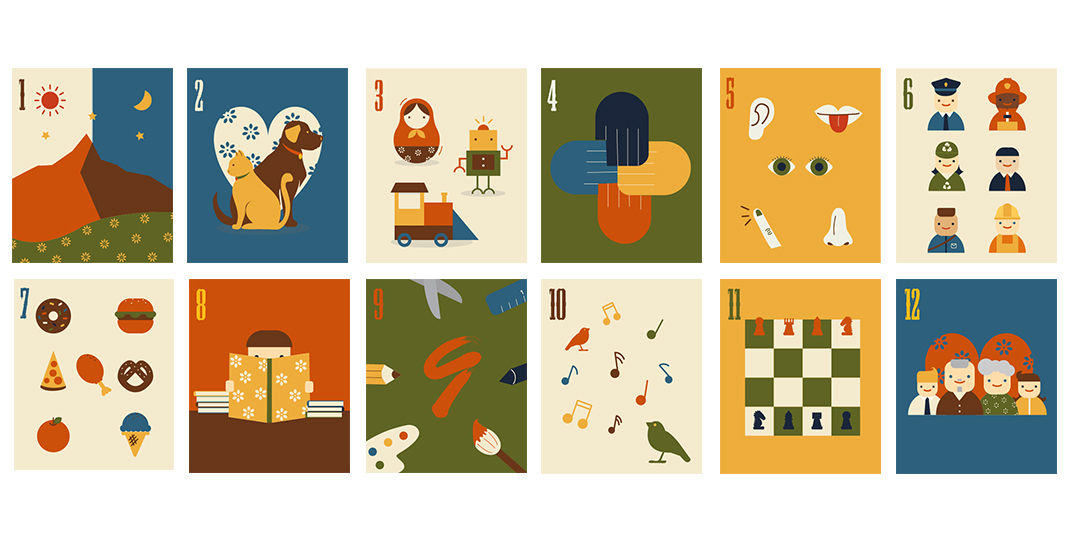
twelve days of thanksgivingAre you looking for a new way to celebrate Thanksgiving together as a family? Use this guide to enrich the Thanksgiving experience and build a culture of gratitude in your home, starting a little over a week or so before the holiday itself. If you like, you can download and print this Twelve Days of Thanksgiving poster to hang on your fridge or on a wall in your homeschool room to go over with your kids each day. You can even turn it into a song and sing it to the tune of the familiar Christmas carol.

“On the first day of Thanksgiving, the Lord God gave to me . . .”

One Beautiful Creation 

Start your family’s days of Thanksgiving with the big picture—the beautiful world God made for human beings to live in. How can we show God we’re grateful for this planet? Talk to your kids about how they can be good stewards of the world and appreciate its beauty.

Two Family Pets

Does your family have a pet? Ask your children to think about how your pet(s) add value to your life. If you don’t have a pet, consider pets they enjoy at friends’ or relatives’ homes. How can your kids show love to some of the special animals God has placed in their lives? Treats, an extra-long walk, playtime, petting, or some soft words of affection are all great ways to show love to your family pet.

Three Fun Toys

Play is one way that children can glorify God! It’s part of what they’re meant to do as they grow and develop. Ask your kids to select three of their favorite toys and thank God for those items. To enrich the experience, discuss the origins or makers of some of the toys.

Four Friendships Given

Fellow church members, neighbors, homeschool co-op pals, sports teammates—your children’s lives are full of friends. Have each child compose a list of his or her four closest friends. They can send each friend a quick email or note, make a phone call or Skype call, or drop by for a visit. Encourage your kids to thank these people for their presence in your family’s life.

Five Senses Sound

Encourage your children to think about their five senses of hearing, taste, touch, smell, and sight. For which of those five senses are they the most grateful? Do you know anyone who lacks one of those five senses? How can you show love to that person today?

Six Public Servants

Who are the helpers in your community? Talk to your kids about the important roles of firemen, policemen, the mayor, road crews, mail carriers, and garbage pickup teams, among others. All of these people keep your town or city functional and beautiful. How can you thank them today?

Seven Favorite Foods

This is “favorite food” day! Create a list for each child, featuring his or her seven favorite foods. Choose one food from each list that you can all enjoy; and be sure to thank God specifically for those delicious treats!

Eight Books for Reading

Today is a wonderful day for reading! Ask each child to select eight favorite books; then read one or two from each stack! Maybe your kids would enjoy writing a thank-you note to an author or illustrator, expressing their gratefulness for a favorite story or novel.

Nine Crafts for Making

God gave us creative ability! Celebrate that gift today by having your kids select their favorite art supplies—crayons, pencils, googly eyes, glitter glue, craft sticks, and so on. Using those items, create nine different Thanksgiving-themed pieces of art! And thank God for art and self-expression as you work on the projects.

Ten Songs for Singing

Music is a beautiful part of God’s creation, from the songs of the birds to the ability humans have to create rhythm and melody. Talk to your children about music today! What are the favorite musical styles in your household? Favorite songs or hymns? Create a playlist and enjoy the beauty of music together.

Eleven Games for Playing

Break out the board games! Have your kids choose some of their favorite board games or card games and play them together. Don’t forget to include games of pretend too—role-playing games are a natural and exciting part of child development.

Twelve Loved Ones Caring

Today, your kids can be thankful for each other. Parents, grandparents, aunts, uncles, cousins—you may have trouble limiting this list to twelve, and that’s OK! As your kids think of more and more people who love them, they’ll realize on a deeper level how much they have to be thankful for—on Thanksgiving Day and every day.

• • • • •

Rebecca is a work-at-home freelance writer, novelist, wife, and the mom of two bright-eyed little ones. She credits her success in writing and her love of books to her own mom, who homeschooled three kids from pre-K through high school.

Filed Under: Simplified Homeschool Tagged With: gratitude, Thanksgiving, twelve days of christmas song

Grammar Tools to Boost Your Child’s Writing Ability

October 30, 2018 by Jenna

grammar tools for NaNoWriMo
The beginning of National Novel Writing Month (NaNoWriMo) is just a few days away. Have you thought about using the NaNoWriMo challenge in your homeschool? Have you made any preparations? If you have, you may be concerned about whether your child is grammatically ready to write a whole novel in a month’s time. But tools you can use will make the process a little bit easier. Consider using these free online grammar tools over the next month.

Before Writing: Reviewing Concepts with AfterSchoolHelp

You know your children best, and if you have one who struggles with a specific grammar issue, then sending him or her to BJU Press’s AfterSchoolHelp site might be a good solution. BJU Press developed AfterSchoolHelp as a digital tutor for math, but it has since expanded to include resources for language arts and Spanish, as well. On AfterSchoolHelp.com, you can have your child watch review videos and complete practice activities on specific concepts. AfterSchoolHelp offers activities that correlate with BJU Press textbooks in Grades 4–12.

During Writing: Using Grammarly

Many people use Grammarly as a tool for checking grammar, spelling, and writing style. Grammarly works both as an app that you can use on a browser or phone and as a proofreading service. Once you create an account, you can upload whole documents to be checked. The program will mark potential errors for your child’s consideration, with a brief explanation of the rule related to the error. Like many such tools, it’s never perfectly accurate, and your child will have to think carefully about the suggested revisions.

After Writing: Assessing and Developing Skills with Quill

Quill.org is a web-based resource designed for teachers to use in the classroom, but it’s also free for you to use in your homeschool. In order for it to work, you will need to create one account for you as the parent/teacher and another for each child as a student. Quill offers a proofreading practice tool that your children can use to prepare for editing a novel. In proofreading activities, the students correct example papers. Once they’ve finished making corrections, the system will evaluate the changes made. It then provides practice activities based on the items missed. This can be especially helpful for children who want to improve their writing after completing a novel. And there are many other resources included in Quill that you may find helpful in developing your children’s writing abilities.

Remember, NaNoWriMo is all about the drafting process. If you want your children to participate in it, or get as many words written as they can, they won’t be able to stop to think about grammar. So these tools will be most effective when used for preparation, overcoming specific grammar-related roadblocks, and for improving overall writing ability.

Filed Under: Successful Learning Tagged With: grammar, homeschooling NaNoWriMo, NaNoWriMo, online resources

Teaching Your Kids to Make Christmas Gift Budgets

October 25, 2018 by Guest Writer

setting Christmas gift budgets
Christmastime can be overwhelming not just for adults but for children too. “You want this! You need this!” scream the ads on TV, on the radio, at the mall, in the mail—and it’s all designed to incite greed and the desire for more. Sure, we love to see those happy smiles when our kids get something precious they’ve longed to own, but Christmas is primarily about the blessing of giving. By teaching your kids how to develop their own Christmas gift budgets, you’re reinforcing that focus on giving and encouraging financial responsibility at the same time.

Making a List

Sit down with your kids and create a Christmas list together, not of things they want to receive, but of people they love—close family members, other relatives, neighbors, teammates, and friends. For some of the people on the Christmas list, each child will want to make or purchase a separate, special gift. For others, the gift could be a joint one from your whole family. You could have your kids color code those who will receive individual gifts and those who will get a joint gift.

Setting a Total Amount for the Gift Budgets

Whether your children are planning on buying the Christmas gifts or making them, they’ll need a budget. Explain that even a handmade gift costs something in time, effort, and supplies. Since your kids may be new to this concept, suggest a total budget amount for each child. This amount could be money they earn or money that you give them to spend.

Dividing Up the Funds

Here’s where the math comes in! Ask each child to divide the total amount of his or her budget by the number of people on the Christmas list. The result is the per-person Christmas budget. You could also suggest that your kids spend a little more on the people closest to them and a little less on others. Younger kids need help with this part, but the older children can figure out the math on their own.

Making the Purchases

As your children are shopping for gifts or supplies, they’ll probably be tempted to overspend or to buy something for themselves. Encourage them to stay focused, stick to their per-person amount, and look for items of decent quality. It’s all about planning ahead and resisting the impulse buy, yet still finding or creating something that shows love.

Are you ready to refocus your children on giving rather than getting? You’ve got two months before Christmas—plenty of time to help them work on a budget, make some gifts, shop strategically, and enjoy the sweet spirit that comes with thinking more about others and less about self. After all, “It is more blessed to give than to receive” (Acts 20:35).

• • • • •

Rebecca is a work-at-home freelance writer, novelist, wife, and the mom of two bright-eyed little ones. She credits her success in writing and her love of books to her own mom, who homeschooled three kids from pre-K through high school.

Filed Under: Successful Learning Tagged With: budget, Christmas, homeschool, homeschool budget, homeschool Christmas

  • « Go to Previous Page
  • Page 1
  • Interim pages omitted …
  • Page 52
  • Page 53
  • Page 54
  • Page 55
  • Page 56
  • Interim pages omitted …
  • Page 151
  • Go to Next Page »

Primary Sidebar

As parents, teachers, or former homeschool students, we are passionate about homeschooling from a biblical worldview. We hope these teaching tips, fun activities, and inspirational stories support you in teaching your children.

Email Signup

Sign up for our homeschool newsletter and receive select blog posts, discounts, and more right to your inbox!

Connect with Us!

                    Instagram     

Read Posts on Specific Subjects

Early Learning
Foreign Language
History
Language Arts
Math
Science

Footer

Disclaimer

The BJU Press blog publishes content by different writers for the purpose of relating to our varied readers. Views and opinions expressed by these writers do not necessarily state or reflect the views of BJU Press or its affiliates. The fact that a link is listed on this blog does not represent or imply that BJU Press endorses its site or contents from the standpoint of ethics, philosophy, theology, or scientific hypotheses. Links are posted on the basis of the information and/or services that the sites offer. If you have comments, suggestions, questions, or find that one of the links no longer works, please contact us.

Pages

  • About BJU Press
  • Conversation Guidelines
  • Terms of Use & Copyright

Archives

© 2026 · BJU Press Homeschool