• Skip to primary navigation
  • Skip to main content
  • Skip to primary sidebar
  • Skip to footer

BJU Press Blog

  • Home
  • Shop
    • Shaping Worldview
  • Simplified Homeschool
  • Successful Learning

Homeschool Checklist to Know You’re Ready

March 19, 2019 by Jenna

homeschool checklist
So you’ve been thinking about this homeschooling thing for a while now. In fact, you’ve probably been doing a lot more than thinking. You’ve prayed, done the reading, had family conversations, and set some goals. You’ve even looked at curriculum. But are you ready? How do you know if you are? This homeschool checklist will help you decide whether you’re ready to take the plunge.

Have you checked your state’s regulations for homeschooling? 

The Home School Legal Defense Association (HSLDA) explains which regulations apply to your state. Some states merely require parents to give notice that they intend to homeschool their children. Others may require homeschoolers to perform annual standardized testing to make sure that children are learning normally. You’ll want to know these requirements ahead of time.

Have you laid out your reasons for homeschooling?

Remember, it’s easier to commit to something when you know why you’re doing it. Consider writing out your reasons and displaying them—if nothing else, that will help you explain to a concerned friend or relative why you’re doing this.

Where will you turn for homeschool support?

Your homeschool support system can help you stay on your feet even on the hardest of days. Whether it’s just a chat with a friend or an expert to address your darkest fears, you’re going to need someone to turn to.

How much time will you devote daily to homeschooling?

Many homeschool families have their children do work between four and five hours a day. That’s both lesson time and homework. But what about you? How many hours do you have to devote to homeschooling your children? If you don’t have much time to devote to it, you may need to choose a curriculum that includes video lesson options or that can be self-taught. Or you can devise a schedule that lets you spread out your work. You could homeschool year-round or choose a six-day homeschool schedule, so you can spend less time each day on homeschooling.

What are your children interested in?

Many new homeschoolers are really excited about getting to tailor their children’s education to their interests. Now’s the time to really figure out what those interests are so you can be ready to do that.

What best describes the curriculum that you believe will work for your family?

Are you homeschooling on a tight budget? Do you have the budget but not the time to teach? Assuming you believe a strong biblical worldview is vital, should you use a curriculum built on that perspective or will a secular publisher do just as well? Do you prefer to do the teaching yourself, or would you rather use video lessons? These are all questions that will help you narrow down your curriculum choices.

How will you keep yourself organized?

It’s a challenge to manage all the stuff. If you have three kids, all in elementary grades, then they each have up to eight subjects. Each subject has two textbooks—usually a textbook and an activity book. That’s forty-eight textbooks—not counting any teacher editions, notebooks, binders, and whatever else they need. And it’s not only a question of space. What about organizing your time? The plan you have now doesn’t have to be permanent, but you need a workable schedule to at least get you started.

Have you laid out some short-term goals for your first few weeks of homeschooling?

Goals are pretty important, especially at the beginning. If you set a few easily reachable goals to start with, you can get off on the right foot and put yourself in a goal-oriented mindset for the future. Your goals don’t even have to be really serious. You could set a goal to finish one lesson a day, or to walk around the house like a duck once a day. That’s silly, but it’s good exercise too.

Use this printable checklist to work through some of the questions above.

Hopefully, you’re feeling confident and ready to get started on your homeschooling journey. Your first few years are going to be wild and crazy (plus moments that you wouldn’t trade for the world). But if at the end of it all, your children have a strong relationship with God and are using the abilities He’s given them for His glory, won’t it be worth it all?


Filed Under: Simplified Homeschool Tagged With: curriculum, getting started, homeschool, homeschool checklist, organization

7 Energy-Busting Activities for Your Homeschool

March 12, 2019 by Megan

energy busting activities
I live in South Carolina, and lately it has been very, very wet around here. And since my four young children do not particularly like sitting still, my 1700-square-foot home has been extremely noisy. That makes homeschooling challenging because, with so much pent-up energy, my school-age daughters have had a difficult time focusing. Sometimes, we just need to do some activities to keep us going.

Physical activity is important to mental health. My brain, like the brains of my four children, performs much better when we’ve had some kind of physical exercise. Below are ideas for some quick physical activities that you and your children can do together. Not only will they help you release some of that built-up energy, but they will also improve your focus for a better homeschool day.

Indoor Exercise

Technology can be a great help for quick, kid-friendly workout routines. Here are a few technology-aided workouts that we enjoy:

  • Animal Workouts (Alexa® Skill): If you have an Alexa-enabled device in your home, try the Animal Workouts Skill. Your device will lead you and your children through a routine in which you all pretend to be different animals. For example, you’ll be running in place like a jaguar, swinging your arms like a monkey, and hopping around like a kangaroo. My kids think it’s hilarious.
  • Home Workout (available on Google Play™): This app is geared more toward adults, but my fitness-loving second grader doesn’t let that stop her from using it. Most workouts take less than 15 minutes, but they are pretty intense.
  • Sworkit Kids (available on Google Play™): This app is similar to the Home Workout app but is more geared towards kids. I like that you can customize the workout based on how much time you have.

Outdoor Exercise

Some days, the kids just need to get outside, even if it’s raining or freezing cold. Here are a few of our favorite fresh-air exercises:

  • Taking a walk: Walking is a popular exercise in our family. If you enjoy walking with your kids, you may want to check out a post I wrote about how walking can also be an outdoor learning adventure.
  • Running around the house: Sometimes, when I notice that one of my daughters is having trouble concentrating, I send her outside and tell her to run around the house a certain number of times as fast as she can. It’s amazing what five minutes of running can do to sharpen her focus!
  • Timed races: Like many kids, my daughters are a bit competitive. They love to “win” even if they are competing against themselves. I often time them as they run down the driveway, race their bikes around the block, or roller skate to the mailbox. The presence of the stopwatch encourages them to try their hardest.
  • Puddle-jumping: Every once in awhile, after it rains, the kids pull on their rain boots, and we take a walk. The kids jump in ever puddle they can find and hold contests to see who can make the biggest splash. It’s a good mental and physical break for everyone.

These are just a few of the ways that we release energy to improve our focus. What are some of your homeschool’s favorite energy-busting activities? We would love to hear about them in the comments below!

Filed Under: Successful Learning Tagged With: exercise, focus, homeschool, physical activities

Cooking with the Online Teachers

February 26, 2019 by Jenna

cooking tips and recipes
I don’t know about you, but I love to cook. I love learning how different foods work together and experimenting on the fly. In fact, many of my dinners go from simple three-ingredient meals that should take maybe an hour to massive productions that take two hours or more to complete. With hungry children and hungry spouses, that’s probably not an option for you. But even I have a few meals that I turn to when I need an easy meal that tastes good and doesn’t require a lot of thinking. Everybody should have a go-to meal or cooking tip to rely on for those extra-hectic days. So, I reached out to our online teachers to find out some of their favorite easy cooking tips and recipes.

Tip from Mr. Matesevac

Mr. Matesevac recommends cooking meats “low and slow.” Chicken, beef, and pork are all much tenderer and juicier if cooked at a lower temperature for longer periods of time. That’s why a slow cooker is an excellent tool for cooking meat. If you’re planning on having chicken for dinner, why not throw it in the crockpot in the morning with some seasonings and let it go all day? You get great results without much effort.

Mrs. Overly’s Slow-Cooker Roast

This four-ingredient recipe may take longer, but it takes very little thought. Mrs. Overly buys a roast or two whenever they are on sale for a good price.

Ingredients

Roast, 3–4 lb (round roast, sirloin tip roast, or chuck roast)

Package dry onion soup

1 can cream of mushroom soup

1 can water

This is the easiest, and it makes its own gravy. Depending on your family size, you will have leftovers for the next day.

Directions

  1. Place roast in slow cooker.
  2. Sprinkle dry onion soup over top.
  3. Spread cream of mushroom soup over roast.
  4. Fill the cream of mushroom soup can with water and pour over roast.
  5. Slow cook 5–6 hours on high or 8 hours on low.

If you have plenty of leftover meat and gravy, here’s a simple vegetable beef soup you can make for the next day in the same crock pot:

  1. Shred the remaining beef.
  2. Add a couple of chopped potatoes, 1 can diced tomatoes, chopped onion, and chopped celery.
  3. Mix in 2 cups beef broth.
  4. Add seasonings—oregano, basil, bay leaf, or any of your favorite seasonings.
  5. Slow cook on low until the vegetables are soft.
  6. Add 1 can corn.
  7. Add 1 can green beans.
  8. Heat through and serve.

Mrs. Gillenwater’s Venison Gravy

Mrs. Gillenwater loves biscuits and gravy—and she especially loves making gravy at home with venison.

Ingredients

½ to 1 lb venison

½ cup flour

3 cups milk

3 cups water

your favorite biscuit recipe

Directions

  1. Brown venison.
  2. Coat meat with flour.
  3. Alternate adding milk and water until it is as thick as you want it. Use less milk and water if you want thicker gravy.
  4. Make your favorite recipe for biscuits.
  5. Enjoy!

Tip from Mrs. Jarrell

Mrs. Jarrell just might be a cooking genius. She recommends cooking several pounds of hamburger crumbles and pulled chicken 3–4 times a year. Then she freezes it in portion sizes for use later. Imagine how much time and mess that saves when you’re ready to cook!

Mrs. Jarrell’s Crockpot Squash Casserole

Ingredients

1½ cup chopped onion (optional)

3½ cups cut-up yellow squash (frozen)

4 oz (½ brick) cream cheese

½ bag stuffing mix or a sleeve of crackers

1–2 cups hamburger crumbles

Directions

  1. Add onions, squash, and cream cheese to crockpot. Make sure that the squash is frozen, as fresh squash will have a different consistency.
  2. Cook in crockpot on high for 4 hours.
  3. If hamburger crumbles are frozen, let them thaw in the refrigerator.
  4. A few minutes before serving, stir in hamburger.
  5. Slowly add stuffing mix or crackers. It takes a few moments to absorb the liquid, so add a little at a time to avoid making the casserole too dry.

Mrs. Rulapaugh’s Spanish Paella

Ingredients

Mrs. Rulapaugh, who is our new K5 Math teacher, grew up in Spain, so making Spanish paella reminds her of her former home. Cooking international foods may seem intimidating, but this one-pan meal is a cinch to prepare!

2 cups rice

4–6 chicken pieces

1½ tsp salt or to taste

olive oil

turmeric

½ lemon or 2 tbsp lemon juice

1 green pepper, chopped

1 small can pimientos (optional—for garnish)

seafood (optional)

1 medium onion, chopped

5 cups water

Directions

  1. Cover frying pan or paellera with a thin layer of olive oil.
  2. Fry chicken, onion, green pepper, and seafood.
  3. Once chicken is done, add rice and water.
  4. Sprinkle with salt and add lemon juice and juice from pimientos, if desired.
  5. Cook rice at a boil. Add water as needed until rice is fully cooked.
  6. Garnish with pimientos, if desired.
  7. Let paella sit a few minutes, and then enjoy!

I hope these tips and recipes inspire you as they’ve inspired me! Let us know how yours turns out if you try it, or share one of your own favorite easy recipes in the comments below.

Filed Under: Simplified Homeschool Tagged With: cooking tips, distance learning, easy recipes

How to Build Your Homeschool Support System

February 19, 2019 by Jenna

homeschool support
If you’re homeschooling, you probably have a lot fewer contact points with other adults. Your PTA meetings are those rare moments you spend preparing for the day alone. Your coworkers are your spouse and your children. A homeschool support system, however, is something that you’ll need to depend on for adult interaction and guidance. But how do you go about building one?

The hard reality is that creating a reliable homeschool support system isn’t something that’s likely to happen naturally over your homeschooling years. You’ll have to reach out and make connections with others. And if you’re strongly introverted, you may feel some hesitation about reaching out to new people for help or guidance. While I can’t make those connections for you, I can show you where to go to make them.

HomeWorks by Precept

HomeWorks by Precept is a nationwide network of independent curriculum consultants who have lots of homeschooling experience. They primarily work with BJU Press Homeschool materials, but they have also experienced many of the situations you may face as a homeschool family. They’re all veteran homeschool parents who love helping others on their journey. Sometimes these consultants spend hours on the phone, helping a homeschool mom through the transition to BJU Press products or just offering encouragement wherever it’s needed.

Here’s what two homeschool moms said about their consultants, Hillary Lundstedt and Alice Bradley:

Hillary, our consultant, has guided us through the process of the BJU Press curriculum over the past couple of years. She has been a true friend and valuable resource of information. From her experience with her own children, she had the answers I needed and tips for implementing a schedule. She is there at the drop of a hat for us.          ~ Amanda

I am so very thankful for the confidence that my consultant gave me to start homeschooling my kindergartner! I didn’t think I could do it, but Alice, my HomeWorks consultant, gave me encouragement that I could do it with the help of the online videos. She helped us get started, and she’s kept up with us and made sure we were progressing well throughout the year.        ~Leah

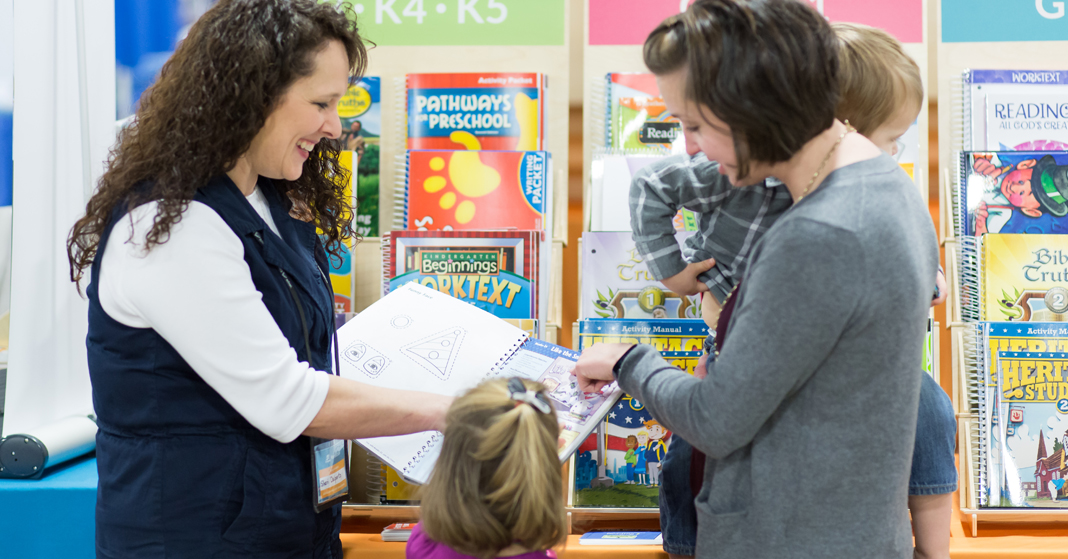
You can contact a consultant in your area by going to a curriculum display, by attending a convention, or by reaching out to a particular consultant! Curriculum displays are always free to attend, and they give you an opportunity to meet with a consultant face-to-face and get special pricing on BJU Press materials. Plus, you get to touch and interact with the textbooks in person!

Homeschool Co-ops

You may have heard that joining a local co-op can give variety to your homeschool. But how do you find co-ops in your area? If you’re in an area where homeschooling isn’t widely popular, the Home School Legal Defense Association (HSLDA) will be a valuable resource for you! They provide a list of all state and local homeschool organizations with contact information. The local organizations are the co-ops you’re looking for. So, if you want to find a homeschool co-op in your area, select your state, click on the available county nearest you, and then look for the co-ops listed for your area. HSLDA provides as much contact information as they have available, including phone numbers, email addresses, and websites.

Blogger Communities

Interacting with bloggers online is one way to get homeschool support—on your own time. The following blogs are all offered by experienced homeschool moms who love engaging with their followers and helping other homeschool families along the way.

Janelle Knutson

Janelle’s relationship with Christ radically changed the direction of her life, and she and her husband are committed to bringing up their seven children to know and love the Lord. Because of that, they homeschool to more effectively disciple their children in both mind and spirit. She shares her suggestions for new homeschoolers in “Getting Started in Homeschooling: A Step-by-Step Guide.”

Homeschooling with Dyslexia

Marianne Sunderland commits to helping parents of children with dyslexia to successfully homeschool their children. She firmly believes that homeschooling with dyslexia is not only possible, but better in the long run. She offers fellow parents of dyslexic children free resources and advice aimed toward success. Marianne shares her suggestions for new homeschoolers in “Homeschooling with Dyslexia: How to Get Started.”

Weird Unsocialized Homeschoolers

Kris Bales brings homeschoolers out in the open with her frank and down-to-earth discussions of life as a homeschool family. The stereotypes about homeschoolers don’t stand a chance against her. Two of her three children are homeschool grads, and her youngest is still homeschooling high school. When she started homeschooling, she committed to shaping their education to their unique needs and interests. Kris offers guidance for new homeschoolers in “10 Things You Need to Know If You’re Homeschooling for the First Time This Year.”

Homeschool Support at Conventions

Conventions are excellent places for meeting and getting to know fellow homeschool families. In sessions, at vendor booths, and during break times, you’ll be surrounded by people who share your concerns, your passion for children, and your determination to choose what’s best for them. A chance conversation might lead to a lifelong friendship. You can also find HomeWorks consultants at the BJU Press booth at all the major conventions!

Many state organizations host their own conventions, but there are also national homeschool convention groups that schedule multiple conventions all across the country. Here are just a few of the more popular conventions:

  • Teach Them Diligently—national
  • Great Homeschool Conventions—national
  • CHEA—Christian Home Educators Association of California
  • HEAV—Home Educators Association of Virginia
  • THSC—Texas Home School Coalition Association

Eager to learn more about your homeschooling journey? If so, feel free to sign up to receive our free eBook, A Guide to Homeschooling, to learn more about the road ahead of you. Be sure to fill out the homeschool preparation checklist at the end, and feel free to ask questions in the comments section below.

Filed Under: Simplified Homeschool Tagged With: conventions, homeschool co-ops, homeschool support

Six Tips to Make the Most of Homeschool Conventions

February 12, 2019 by Megan

homeschool conventions
When I attended my first homeschool convention a few months before I started homeschooling, I went as an unsure, half-terrified mom. I had no idea how to even get started homeschooling. I arrived at the conference ready to soak up all the information that I possibly could. I’ve gained confidence since then, but I still go to homeschool conventions. They provide me much-needed support and inspiration, but they do require an investment.

In order to make the most of your experience, you will need to invest both time and financial resources. Below are some tips for all of you—whether veterans or newbies—who are headed to a convention this year.

Before You Go

  1. Choose the ticket that meets your needs.
    Homeschool conventions offer different price packages depending on how long you stay and whether you want to attend workshops. Although the cost may cause you to hesitate, I highly recommend trying to attend the workshops not just the main sessions. That said, a day-long shopping pass alone is usually worth the admission cost. Some conventions even offer free shopping passes for one evening during the conference. If you choose to go to the vendor hall during the free shopping period, be prepared to deal with crowds. And do some curriculum research beforehand because the time goes by quickly!
  2. Schedule your time.
    If you do decide to attend workshops, check the convention website a few days before you go to view the workshop schedule and speaker information. Make note of the workshops that interest you, and be sure to set aside some “free time” for shopping. I recommend that you include at least two one-hour blocks of time for the vendor hall.
  3. Plan your budget.
    Conventions provide wonderful opportunities to shop for homeschool curriculum and supplies—you can often get better deals at a convention than you can through a company’s website. Before you go, make a list of what you need for the upcoming school year and decide on your budget.

During the Convention

  1. Don’t be shy.
    As an introvert, I don’t particularly like talking to people that I’ve never met. But I’ve found that the greatest benefit of going to a homeschool convention is connecting with others in the homeschool community. You will probably meet someone who’s struggling with the same things you once did that you can encourage. Or you will meet someone who’s a little bit further along in the homeschool journey that you can glean some wisdom from. Take advantage of the opportunity to build relationships with people. Those relationships will be invaluable to you when homeschooling gets tough.
  2. Try to attend some keynote presentations.
    There is something pretty special about being part of a large group of people that is unified around a common purpose. That’s why attending keynote sessions at a homeschool conference is so beneficial. I always find my resolve to homeschool strengthened as I sit there surrounded by hundreds of other homeschoolers. It’s a great reminder that I am not alone in this homeschool journey.
  3. Review curriculum options.
    A homeschool convention vendor hall can sometimes be intimidating—there are a ton of homeschool products available. Take the time to check them out before you buy. And don’t be afraid to ask questions. One of my favorite questions to ask vendors is “How is your product different from anyone else’s?” It’s also helpful to talk to vendors about your child’s specific needs so that you can get a better sense of whether a product will be a good fit for your homeschool. Finally, involve your spouse in the decision-making process. Not only will he or she help you discern the best homeschool curriculum for your family, but you will likely have more success with your choice if you make the decision together.

If you’re headed to a homeschool convention this year, be sure to stop by the BJU Press booth! Read more about BJU Press convention discounts, and use our interactive map to locate a homeschool convention near you. We hope to see you there!

Filed Under: Simplified Homeschool Tagged With: attending conventions, conventions, homeschool conventions

  • « Go to Previous Page
  • Page 1
  • Interim pages omitted …
  • Page 48
  • Page 49
  • Page 50
  • Page 51
  • Page 52
  • Interim pages omitted …
  • Page 152
  • Go to Next Page »

Primary Sidebar

As parents, teachers, or former homeschool students, we are passionate about homeschooling from a biblical worldview. We hope these teaching tips, fun activities, and inspirational stories support you in teaching your children.

Email Signup

Sign up for our homeschool newsletter and receive select blog posts, discounts, and more right to your inbox!

Connect with Us!

                    Instagram     

Read Posts on Specific Subjects

Early Learning
Foreign Language
History
Language Arts
Math
Science

Footer

Disclaimer

The BJU Press blog publishes content by different writers for the purpose of relating to our varied readers. Views and opinions expressed by these writers do not necessarily state or reflect the views of BJU Press or its affiliates. The fact that a link is listed on this blog does not represent or imply that BJU Press endorses its site or contents from the standpoint of ethics, philosophy, theology, or scientific hypotheses. Links are posted on the basis of the information and/or services that the sites offer. If you have comments, suggestions, questions, or find that one of the links no longer works, please contact us.

Pages

  • About BJU Press
  • Conversation Guidelines
  • Terms of Use & Copyright

Archives

© 2026 · BJU Press Homeschool