• Skip to primary navigation
  • Skip to main content
  • Skip to primary sidebar
  • Skip to footer

BJU Press Blog

  • Home
  • Shop
    • Shaping Worldview
  • Simplified Homeschool
  • Successful Learning

Guest Writer

This post was written by a guest writer for BJU Press. If you have any questions regarding this post, please direct them to [email protected].

Looking for the Little Moments

January 7, 2020 by Guest Writer

the little moments of homeschooling
You’ve got a stack of homeschool textbooks on your hip and your tepid coffee in your hand. You’re tossing dirty clothes into the washing machine with the other hand while telling the four-year-old for the hundredth time that, no, she cannot watch her show—not until TV time this evening.

You realize that your nine-year-old has been running the water in the bathroom for a very long time, much longer than necessary for brushing teeth. For a second you see red dollar signs flashing before your eyes in anticipation of this month’s water bill. And then the baby yells imperiously from the crib, and you feel like crawling back into bed and just not adulting today. Or tomorrow. OK, for a whole month.

We’ve all been there. We’ve been swamped, overwhelmed by the onrushing tide of our children’s needs—educational, physical, emotional, and spiritual.

Prayer helps. Scripture helps. Asking for help from friends and family is important too. But there’s one more way to manage that exhaustion, especially as you begin the new year.

Look for the little moments.

Here’s an example. Let’s say that while you’re doing the laundry, you find a couple of tadpoles in your daughter’s pocket. Or maybe a dead lizard or a beetle.  Once you get past the “ew” factor, remind yourself how wonderful it is that she’s interested in living things. And then find a moment, maybe right before bed, when you can talk to her about her affinity for biology. Sure, you can ask that she empty her pockets before putting her clothes in the laundry—but if you focus on the good, you’ll come away from the interaction more grateful than frustrated.

My kids argue over the silliest things sometimes. But yesterday my son put his arm around his little sister’s shoulders, and my heart melted. When you see a moment like that, relish it. Draw encouragement from it.

One night, I passed my son’s room long after he was supposed to have turned out his lamp, and I noticed light gleaming under the door. As I went in, ready to chide him, he looked up from his book, cheeks flushed with excitement, eyes bright. I recognized that look because I’ve read past my own bedtime many a night. Biting off the words I was going to say, I let him read for ten more minutes—because sleep is important, but becoming a lifelong reader is even more important. I will never forget that little moment we shared, not as mother and son but as readers.

As a homeschool parent, you get to see the magical instant when a concept “clicks” for your child. You get to be there when your fourth-grader comes to you with a new discovery, or when your gangly teen sits patiently while your youngest stumbles through her first easy reader.

Look for the little moments. Hold them in your mind, or write them down so you can read them and remember and rejoice in what you, by God’s grace, have accomplished so far. Who knows what beautiful moments will come your way in this new year?

• • • • •

Rebecca is a work-at-home freelance writer, novelist, wife, and the mom of two bright-eyed little ones. She credits her success in writing and her love of books to her own mom, who homeschooled three kids from pre-K through high school.

Filed Under: Simplified Homeschool Tagged With: homeschool, little moments, new year

4 Easy Christmas Activities for Kids

December 10, 2019 by Guest Writer

easy Christmas activities for kids
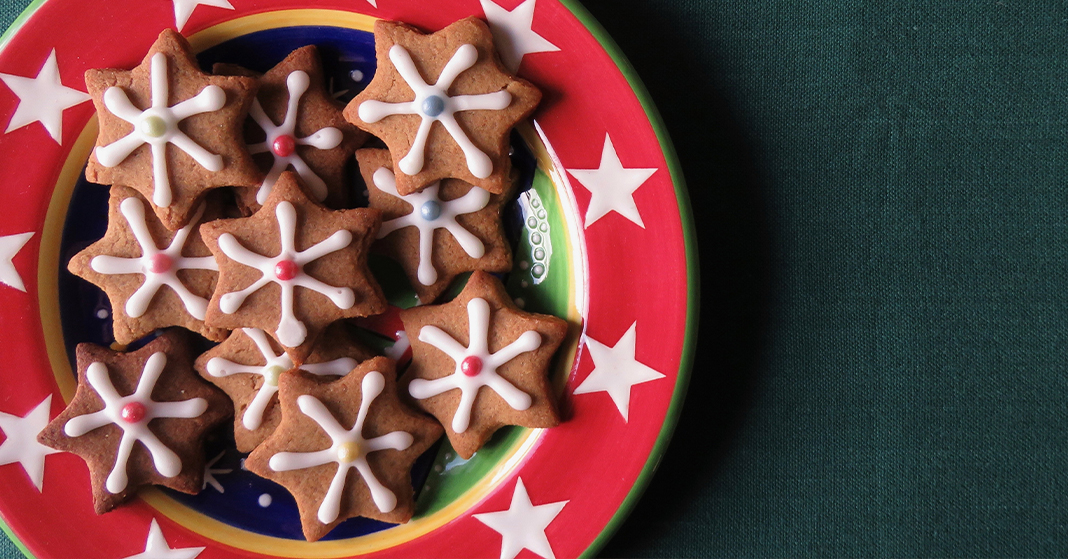
As the holidays approach, the pressure to make every day count becomes even more intense. You desperately want your kids to have beautiful holiday memories, but with all the busyness of homeschool, church, community events, family gatherings, and more, it can be hard to set aside time for those Christmas activities or to deal with the cleanup afterward, especially during certain seasons of family life. Here are four easy Christmas activities for kids that involve relatively little preparation and minimal mess.

Tour the Holiday Lights

If you have a holiday light show near your home, pile everyone into the car one night and drive over. Even if there’s no light show nearby, you can drive through local neighborhoods. There are always a few winter wonderlands at private homes where the owners have gone above and beyond. Add your favorite holiday playlist, and you’ve got a simple, fun, memory-making family Christmas activity.

Cookie Swap

Maybe you’re not keen on the idea of making Christmas cookies or treats from scratch this year. Maybe there’s been sickness in your family, you’ve recently had a new baby, or the toddlers just aren’t in a place to enjoy that sort of family Christmas activity. But you want your kids to experience and enjoy a variety of holiday treats—so why not organize a cookie swap with friends?

At a cookie swap, several families buy or make a few dozen Christmas cookies or special treats. Then everyone gathers to sample the goodies and trade bags or tins of the Christmas cookies to take home. To keep cleanup manageable, arrange to swap treats at a friend’s home or at church. You could even combine activities and go to an outdoor pavilion, perhaps near a skating rink or playground.

DIY Christmas Ornaments

If your kids are eager to participate in decorating for the holidays, let them craft a few ornaments for the tree. One easy way to do this is to purchase a bunch of durable plastic Christmas balls and different stickers (holiday-themed stickers, googly eyes, sequin stickers, etc.). The kids can plaster the ornaments with stickers, creating masterpieces fit for the tree—and there’s no glue involved!

Christmas Bingo

Want to keep your kids occupied while you’re driving or shopping? Use free printable games like Christmas bingo! Just print out the cards, give your kids some dot stickers, and let them conduct a visual scavenger hunt from the car seat, stroller, or shopping cart. They’ll have fun, and you’ll be free to focus on your destination or your shopping list.

In your season of life, making Christmas memorable might seem overwhelming. Just remember that activities for kids don’t have to be complex or Pinterest-worthy. The simplest family Christmas activity can yield some of the best bonding moments, learning experiences, and holiday charm.

• • • • •

Rebecca is a work-at-home freelance writer, novelist, wife, and the mom of two bright-eyed little ones. She credits her success in writing and her love of books to her own mom, who homeschooled three kids from pre-K through high school.

Filed Under: Simplified Homeschool Tagged With: christmas activities, cookies, holiday

3 Thanksgiving Traditions for Young Families

November 26, 2019 by Guest Writer

thanksgiving traditions for young families
With the hectic hustle of the modern holiday season, it’s easy to let moments, hours, and whole days slip by without taking the time to really celebrate together. Would you like to be calmer and more intentional about the holidays this year? Then focus on establishing one or two meaningful traditions that you can carry on through the years to come. Here are three Thanksgiving traditions to get you started.

The Twelve Days of Thanksgiving

This tradition is popular in my family because it offers so many opportunities for thankfulness. On each of the twelve days leading up to the holiday, our thanksgiving centers on a specific theme. We’ve used themes like community helpers, favorite foods, relatives, leaders, or creation.

For example, if the day’s theme is creation, each person in the family names one aspect of God’s creation for which he or she is thankful. Sometimes we write those things on a chart or a list, put them on paper “leaves” and paste them onto a Thanksgiving tree, or jot them down on slips of paper and put them in a box or a jar. You can also use the Twelve Days of Thanksgiving poster!

Volunteer and Give Back

For many families, thanking community helpers and volunteering are year-round habits, but holidays offer opportunities to take those efforts further.  Make it a Thanksgiving tradition to give back and show others the love of God.

Giving back can involve signing up the whole family at a local children’s home, pet shelter, or soup kitchen. Or, for families with smaller kids, it can be as simple as paying for a police officer’s meal at a restaurant or purchasing much-needed supplies for a homeless shelter.

Wonder Walk

Enjoy that crisp, delightful fall weather and take the whole family for a “Wonder Walk” on Thanksgiving Day. Everyone can participate, from the baby in the stroller to Grandma in her wheelchair. Troop through the neighborhood, visit a local green space, or hike in a nearby nature park. If your kids are older, you may even consider signing up for a nearby “Turkey Trot” or 5K race.

As you walk, encourage your kids to point out everything that makes them curious, happy, or thankful. From acorns to hundred-year-old oaks, from the blue sky to a sparkly rock, your family may be surprised how many treasures they can find along the way. And if it rains, so what? Break out the rain boots and umbrellas and take a Wonder Walk anyway!

Forming a family tradition is not only heart-warming—it creates a hook on which you can hang future memories. It’s the beginning of a more structured, calming holiday season that leaves plenty of room for gratefulness and awe at the gifts you’ve received, as well as openings for using those gifts to bless others. We’d love to hear about some of your family’s favorite Thanksgiving traditions.

• • • • •

Rebecca is a work-at-home freelance writer, novelist, wife, and the mom of two bright-eyed little ones. She credits her success in writing and her love of books to her own mom, who homeschooled three kids from pre-K through high school.
Filed Under: Simplified Homeschool Tagged With: Thanksgiving, traditions, volunteer, wonder walk

5 Apple Projects to Do After Your Orchard Visit

October 29, 2019 by Guest Writer

apple projects for after the orchard!
There’s nothing like the crisp, sweet taste of a fresh apple—except maybe the warm, sugary flavor of an apple cider doughnut melting on your tongue. For many families, visiting an apple orchard becomes a prized yearly tradition. But after all the apple-picking fun and the enjoyable orchard activities, you might be left with bushels of apples—more than your family can eat. Check out these five types of apple projects to do after your orchard visit.

• Edible Apple Projects

Apple pie is an obvious way to use up some of those apples, but don’t forget about apple cobbler, apple turnovers, apple pancakes, apple breads, and apple muffins. If you’d like to save some of these goodies for later, research freezer-friendly recipes.

Feeling ambitious? Try making your own apple butter, apple sauce, or apple chips. You can even use these apple activities as teaching opportunities! Talk to your kids about the chemical processes involved in changing the fruit from one form to another.

• Raw Apples in Everything

Try raw sliced apples in all kind of dishes! Make finding new ways to include apples in favorite meals a game with your kids. Thinly-sliced raw apples add a bit of extra crunch to sandwiches. They lend sweetness to salads and coleslaw. Dice the apples and sprinkle them over carrot soup, pumpkin soup, oatmeal, or cereal. You can even find recipes for spicy apple salsa!

• Apple Drinks

The cider you purchase at the orchard always seems to vanish too quickly. Why not make your own? You can also squeeze the apples and create homemade apple juice. If you’ve got a blender, add apples to smoothies for breakfast or snacks.

• Apple Candle Holders

If you’ve got some apples that are bruised or otherwise inedible, hollow them out and insert tea-lights. You’ll have an instant set of fall-themed, sweet-smelling candle holders that will beautify your kitchen island or your table for at least a week or so.

• Apple Potpourri

Follow this recipe to create delightful simmering potpourri that will make your home amazingly fragrant for the fall holidays. You can also create a dried version that looks and smells appealing. Consider putting extra batches in bags or jars as holiday gifts.

With some time, creativity, and the right recipes, you can take full advantage of the bounty you bring home from the orchard this year! Experiment with these apple projects, and let us know if you discover some favorite apple activities we haven’t included here. Happy apple-picking!

• • • • •

Rebecca is a work-at-home freelance writer, novelist, wife, and the mom of two bright-eyed little ones. She credits her success in writing and her love of books to her own mom, who homeschooled three kids from pre-K through high school.
Filed Under: Successful Learning Tagged With: apple activities, apple picking, apple projects, cooking, crafts

Reading Questions and Qualities

September 17, 2019 by Guest Writer

asking good reading questions
Our goal at BJU Press is to help your child get as much as he can from what he reads. Learning to gather meaning from stories can help him evaluate the choices others make and comprehend the information he needs to make good decisions. We also want to enable your student to recognize good writing as well evaluate characters’ choices from a biblical worldview. Here’s the final series of supplementary videos from Mrs. Walker that discuss asking good reading questions and recognizing good qualities in writing. We trust the videos will be a helpful guide as you encourage thorough and wise reading in your student.

Why So Many Reading Questions?

It may seem like we at BJU Press ask a lot of questions in reading lessons. And at times, so many questions may seem tedious. But research shows that giving your student questions before he reads will enable him to gather so much more information from the text in front of him. Good questions help your child read with a purpose, unlock learning opportunities, and reveal hidden meaning in the text. A well-formed question will pique your student’s interests and help him get that much more out of what he’s reading.

We encourage asking four types of questions:

  • Literal questions focus on what the author said on the page and ensure that your child is grasping the basic facts of a story.
  • Interpretive questions dig a little deeper and ask the reader what the author meant by what he said in the story.
  • Applicational questions encourage your child to evaluate the moral tone in the story. “Did the characters make good choices or bad choices? Is the character I’m reading about a good example to follow?”
  • Experiential questions help your child respond to the decisions and consequences in a story. “How should I respond when the good guy gets rewarded, and the bad guy gets punished? Is that right?”

Insightful questions are critical to helping your student learn the most from what he’s reading. Considering such powerful questions before engaging with a text will help your student in his education, his personal time in God’s Word, and his ministry and career further on in his life.

Recognizing Quality Reading

No doubt you’d agree with us that the skill set of reading is important—but what about the quality of reading? How will your student know good writing when he sees it? You can do a lot of things to encourage your child’s educational and recreational reading. We recommend that, if possible, you designate a specific time and place every day for your child to read. You’ll also want to guide your student in picking literature that expands and develops his abilities. “How long is this book? Is it too easy to read? Is this the same genre as the last book I read?” Eventually, you’ll want your child to progress from understanding the reading you put in front of him to making his own reading choices. Instilling a healthy love of reading in your student will help prepare him for the many opportunities that lie ahead of him.

Recognizing Quality Living

If you research how to give your child good reading material, odds are you’ll probably find a lot of information regarding selecting quality literature for students. But what you may not find a lot of is how to find literature for your student that clearly reflects a biblical worldview. Giving your child books consistent with scriptural principles and values is an excellent way to teach him how to live.

With every story, you will want to look for specific aspects that determine whether the book is good for your student. “What kind of behaviors happen in this story? Is good rewarded and evil punished? Is the evil made to seem harmless or even appealing? Are there any objectional elements in the story that really don’t need to be there—or are they discussed in too much detail?” Your rule of thumb in selecting literature for your student should be “Does it align with the truths of Scripture?” Giving your child stories that regard evil the same way God does will help him apply biblical truths in his life and see those truths played out in the lives of imaginary characters.

We hope that these videos have effectively communicated how to ask good questions and select valuable content for your student to read. Enabling your student to get the most of out of his reading will help him manage what he learns and apply what he learns in his day-to-day life.

More Videos from Mrs. Walker

You can check out all of Mrs. Walker’s videos on our YouTube channel. You can also see them in each of the blog posts below.

  • Encouraging Silent Reading
  • Read Out for Oral Reading Skills!
  • Teaching and Assessing Reading Skills

• • • • •

Matt recently graduated with an MA in communication studies and currently works as a freelance writer. He attributes the wild variety in his current opportunities to the exploration his parents gave him through the homeschooling experience. He enjoys theater, the gym, and choral music and will rarely say no to a cold glass of sweet tea.

Filed Under: Simplified Homeschool Tagged With: reading questions, reading skills, teaching reading

  • « Go to Previous Page
  • Page 1
  • Interim pages omitted …
  • Page 13
  • Page 14
  • Page 15
  • Page 16
  • Page 17
  • Interim pages omitted …
  • Page 30
  • Go to Next Page »

Primary Sidebar

As parents, teachers, or former homeschool students, we are passionate about homeschooling from a biblical worldview. We hope these teaching tips, fun activities, and inspirational stories support you in teaching your children.

Email Signup

Sign up for our homeschool newsletter and receive select blog posts, discounts, and more right to your inbox!

Connect with Us!

                    Instagram     

Read Posts on Specific Subjects

Early Learning
Foreign Language
History
Language Arts
Math
Science

Footer

Disclaimer

The BJU Press blog publishes content by different writers for the purpose of relating to our varied readers. Views and opinions expressed by these writers do not necessarily state or reflect the views of BJU Press or its affiliates. The fact that a link is listed on this blog does not represent or imply that BJU Press endorses its site or contents from the standpoint of ethics, philosophy, theology, or scientific hypotheses. Links are posted on the basis of the information and/or services that the sites offer. If you have comments, suggestions, questions, or find that one of the links no longer works, please contact us.

Pages

  • About BJU Press
  • Conversation Guidelines
  • Terms of Use & Copyright

Archives

© 2026 · BJU Press Homeschool