• Skip to primary navigation
  • Skip to main content
  • Skip to primary sidebar
  • Skip to footer

BJU Press Blog

  • Home
  • Shop
    • Shaping Worldview
  • Simplified Homeschool
  • Successful Learning

Decluttering Your Homeschool

July 12, 2018 by Guest Writer

Clutter stifles. It cuts off creativity, productivity, and efficiency. If you have to climb over math manipulatives and a life-sized cardboard Civil War cannon just to get to that microscope for today’s science lesson, you know it’s time to purge, cleanse, spring clean, and get some fresh air into your homeschool room.

In similar ways, spiritual clutter stifles spirituality. “Cleanse first that which is within the cup and platter, that the outside of them may be clean also” (Matthew 23:26). Thus, decluttering my homeschool room begins inside out. I need to be right with God, so that I can apply the principles I learn from Him to how I organize my life.

So, how do I declutter both inside and outside? Sweep. Stabilize. Shed.

Sweep

Sweep spiritually. The Word of God cleanses us from within. To be a “vessel unto honour, sanctified, and meet for the master’s use, and prepared unto every good work” (2 Timothy 2:20–21), I must have a teachable spirit. I set aside a daily quiet time to study God’s Word and draw closer to Him.

Sweep spatially. I start with an empty room. I clear out everything in the room, and then put back only what we need. Since I homeschool in multipurpose spaces, it’s necessary for our family room to be a functional room after we finish homeschooling for the day so that we can eat at our dining table without leaning over stacks of books.

Stabilize

Stabilize spiritually. Sanctification is a continual process (Romans 12:1). I surrender myself to the Lord so that He can sanctify me for service as wife, mother, teacher, and worker. I learn to abide in Christ.

Stabilize spatially. I keep only essentials in my homeschool room. Everything else goes behind doors or under lids. Yardsale bookcases and large containers are cost-effective storage solutions, as are the more expensive options of creating closets by closing off part of a room with louvered doors or installing shelves on empty walls above windows. Don’t be afraid to ask for suggestions from organized moms.

Shed

Shed spiritually. Encumbrances hinder us from running the race well (Hebrews 12:1). I must pay attention to what influences my family. The movies we watch, music we listen to, and library books we read can have a huge effect on my family. How are we pleasing or not pleasing the Lord? It’s not enough to have a Christian curriculum if we don’t live out our testimony before and after learning.

Shed spatially. Semiannually, my family fills up a box to give away. Inside the box are things that we don’t use that are still in good condition.

Yearly, I let go of children’s furniture we have outgrown. I have to be brutal about what not to keep, but at the same time I pray for wisdom lest I give away what I would use next year. Limited spaces can be a blessing, preventing me from accumulating things I don’t need.

I remind my family and myself to clean up as we go. Whatever can be picked up now, must be picked up now. Deferring tasks to a more convenient time means multiplying the mess. Children can be taught to put away toys before taking out the next set. Likewise, putting dishes incrementally in the dishwasher and doing laundry before it runneth over are practical ways to prevent clutter and distribute the workload.

On a spiritual level, whatever the Lord has called us to do now should not be postponed. We have a limited time to serve Him on earth. “Let all things be done decently and in order” (1 Corinthians 14:40).

In everything we do, let’s work efficiently for the Lord.

• • • • •

Written by Jan Thompson
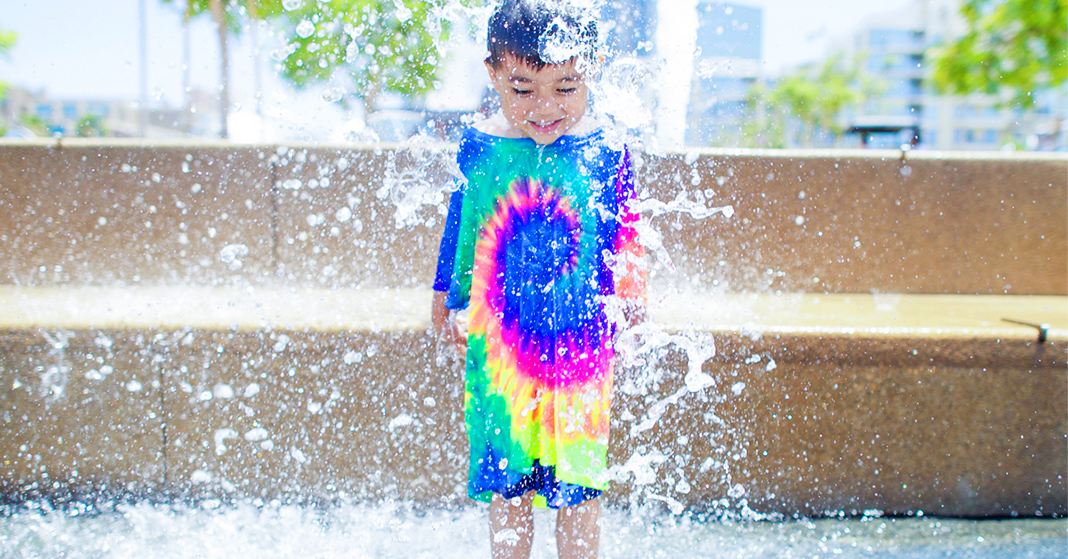
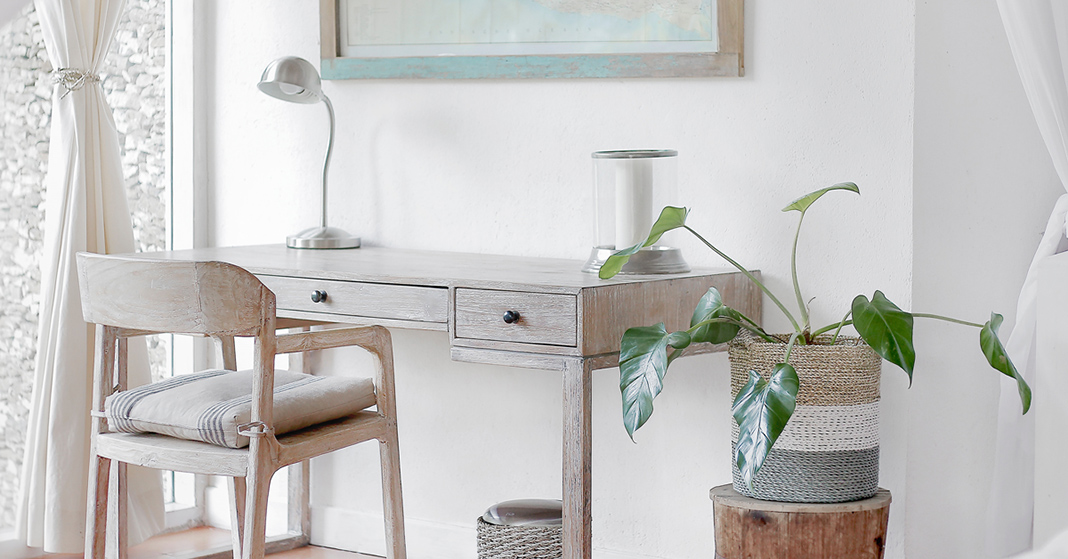
Image Source: desk; books

Filed Under: Simplified Homeschool Tagged With: decluttering, homeschool spaces, organizing

Science and Water Play Ideas for Summer

July 10, 2018 by Guest Writer

water play
Water—besides its obvious benefits for cooling off during those hot summer days—is a wonderful sensory experience. It’s perfect for splashing, stirring, pouring, and squirting . . . and it offers an ideal opportunity to teach science concepts too! Here are some science and water play ideas for summer, doable with simple supplies that you have around the house.

Science Play and Volume Measurement

Perhaps you have a pool in your backyard, your neighborhood, or your local YMCA or recreation center. If not, an inflatable pool or a large tub filled with water works just as well for cooling off! Offer your kids a selection of measuring cups, plastic beakers, eye droppers, and water bottles with measurements marked on them.

How many smaller cups of water does it take to fill a larger one? When you place an object into a bowl that’s already full of water, what happens? Explore the idea that the volume of the displaced water equals the volume of the object you put in.

Introduce a scale into the mix, and let your kids weigh the water! They’ll be practicing math and measurement skills, all while enjoying water play outdoors.

Physics and Water Play

If you know of a stream or creek near where you live, you can teach your children a lot about physics, including concepts such as flow and motion. However, you can engage in similar science play using a hose or sprinkler in your backyard!

Ask your kids questions like these:

  • Why does the water arc downward when you hold up the hose?
  • How many minutes does it take to fill up a bucket?
  • When you swirl your hand around and around in the water in a bucket or tub, what happens? Why does the water keep moving even when you take your hand out?

Younger kids will simply be fascinated with the way water gushes, drips, sprays, and ripples. Older children may be able to grasp some of the scientific reasoning behind these summer activities.

Biology and the World of Water

Do you have a lake or pond nearby? Perhaps there’s a creek in a neighborhood near you, or a lake within a reasonable driving distance. On a hot summer’s day, take a picnic along and visit your favorite freshwater spot.

Ask your kids to look for life in, on, and around the water. What do they see? Water skater insects, ducks, minnows, larger fish, tadpoles, turtles? Explain a few basics about the lake or pond biome, using a BJU Press science text or biology book.

What does each creature eat? How is its life cycle linked to those of the other living things in the water? Older children may be interested in learning about the different zones of the lake, including the littoral, limnetic, and profundal zones.

When your kids get their hands and feet into the water, they won’t just be cooling off— they’ll be learning too!

• • • • •

Rebecca is a work-at-home freelance writer, novelist, wife, and the mom of two bright-eyed little ones. She credits her success in writing and her love of books to her own mom, who homeschooled three kids from pre-K through high school.

Filed Under: Successful Learning Tagged With: science, science play, summer activities, water play

Come Tour Press Studio Services

July 5, 2018 by Jenna

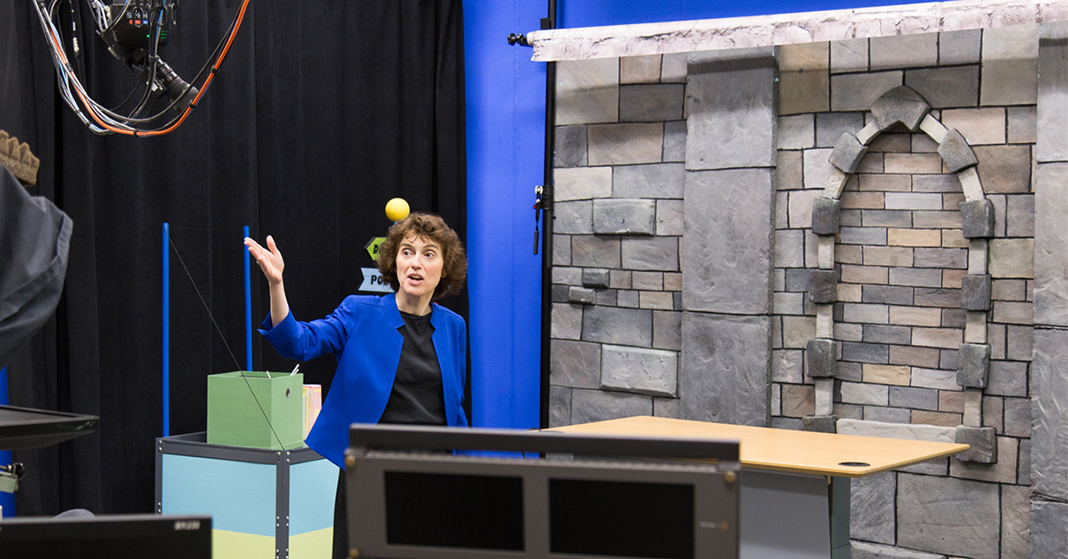
Jennifer leading a tour

Did you know that you can take a tour of Press Studio Services and see where your favorite homeschool video teachers get to create lessons? If you come by for a visit, you’ll get a behind-the-scenes look at where all the teaching happens and get to meet some or your favorite teachers too. So, who’s responsible for giving the tours? Recently, Jennifer Matesevac, who has many other responsibilities, has excitedly taken on the opportunity of guiding the tours of Press Studio Services.

With an infectious laugh and an enthusiasm for meeting new people, Mrs. Matesevac takes each tour group through the most interesting parts of the video operation. When we met with her, we were able to see firsthand the places she loves to show to homeschool families.

Featured on Your Tour

Teacher meeting place—She usually begins or ends your tour here with the teachers you requested. The teachers have busy schedules, so if you want to meet your child’s teacher, be sure to schedule your tour early.

Studios—One of the next places you’ll visit is the studios where the teachers record their videos. You might even get to see a teacher recording in progress. What courses will be recording in the studios you get to see?

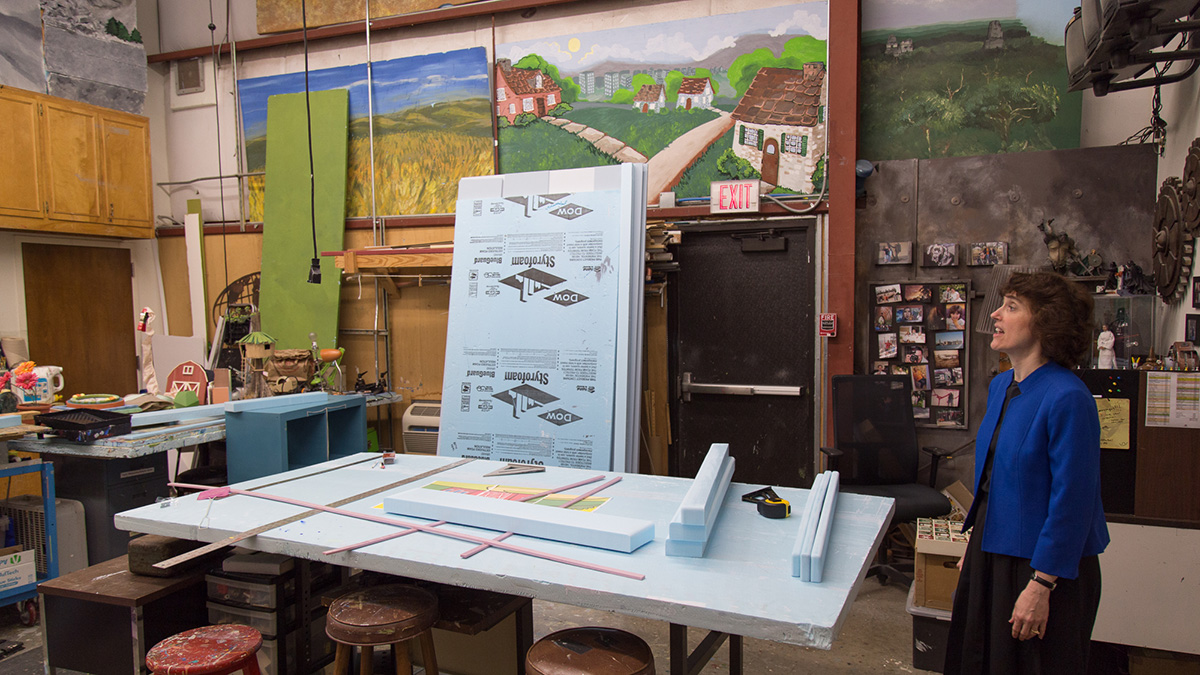
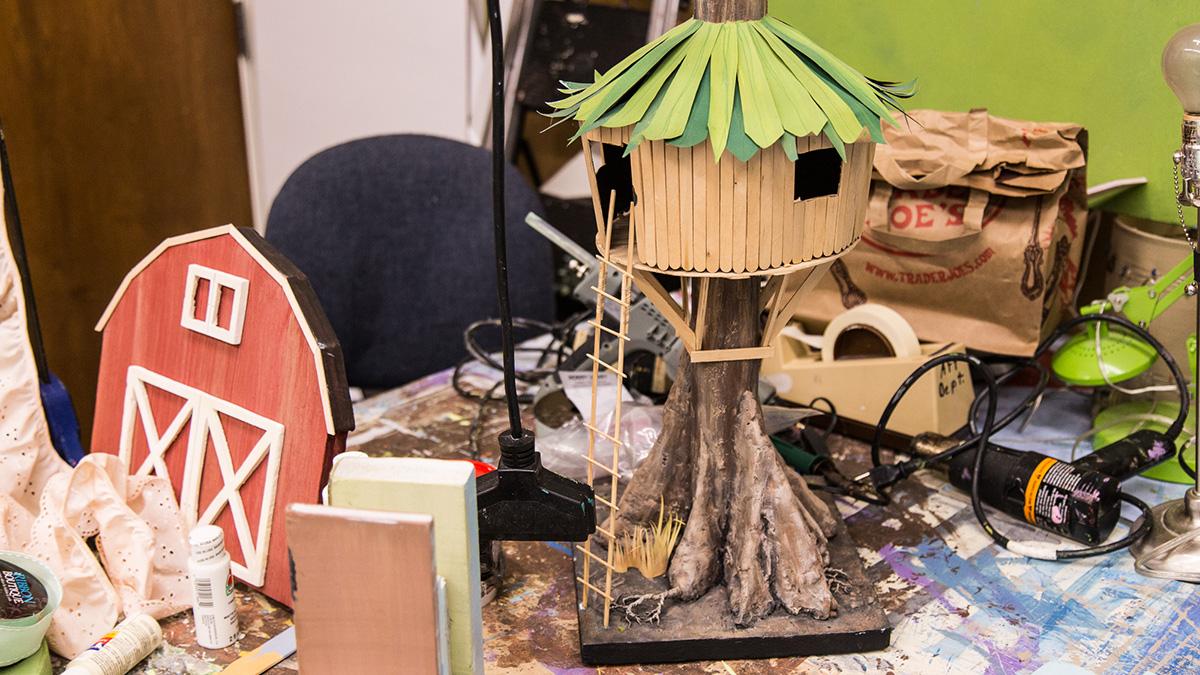
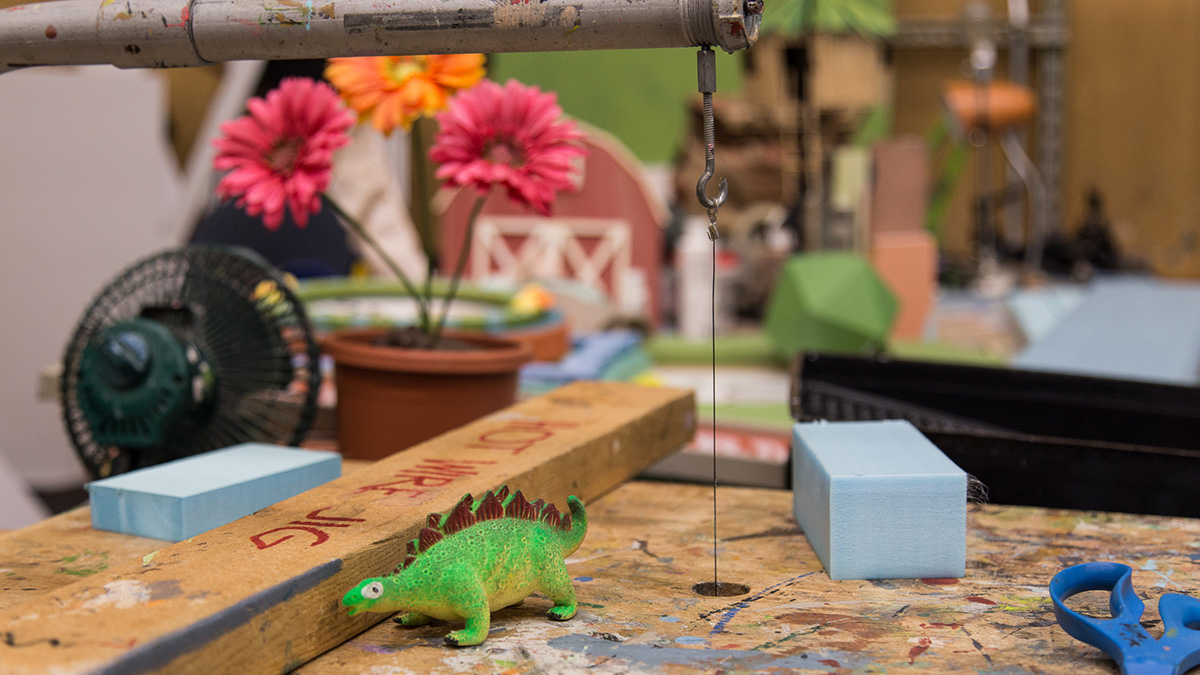
Scene shop—When you stop by the scene shop, you will meet one of our artists, who designs and creates the sets for the video studios. With a floor like a Jackson Pollock splatter painting, the scene shop is full of current and past projects. You might even get a chance to see an older set from your favorite class. Be sure to ask what the scene shop is working on right now too!

Jennifer touring the scene shop

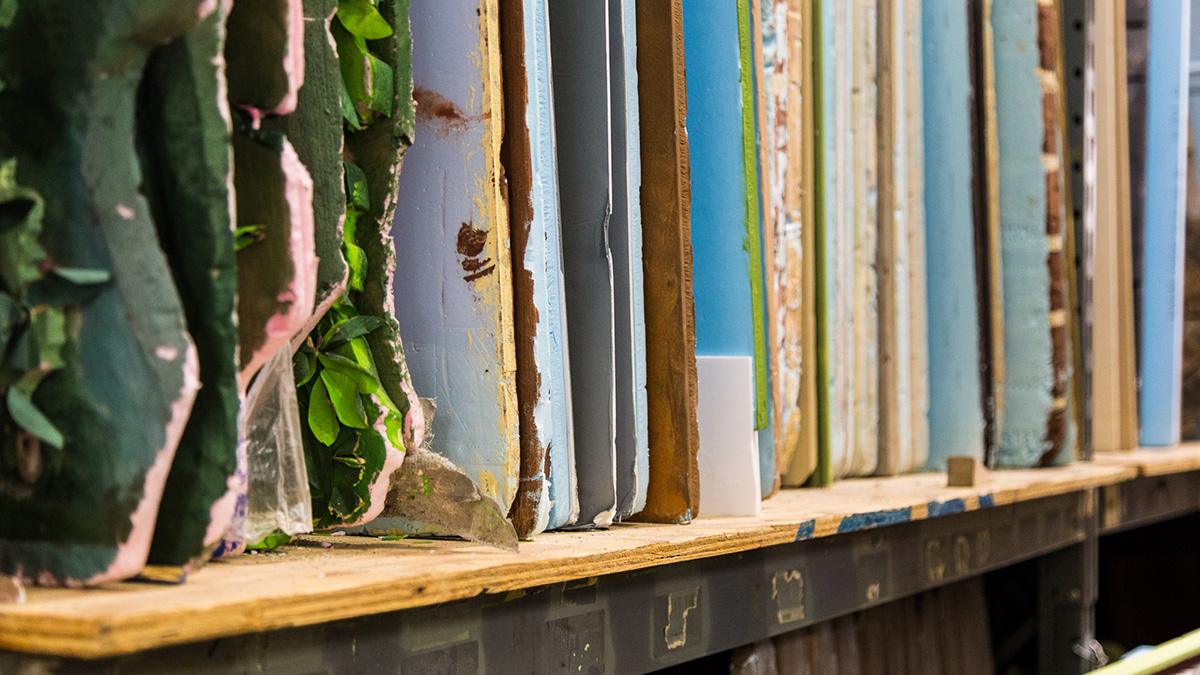
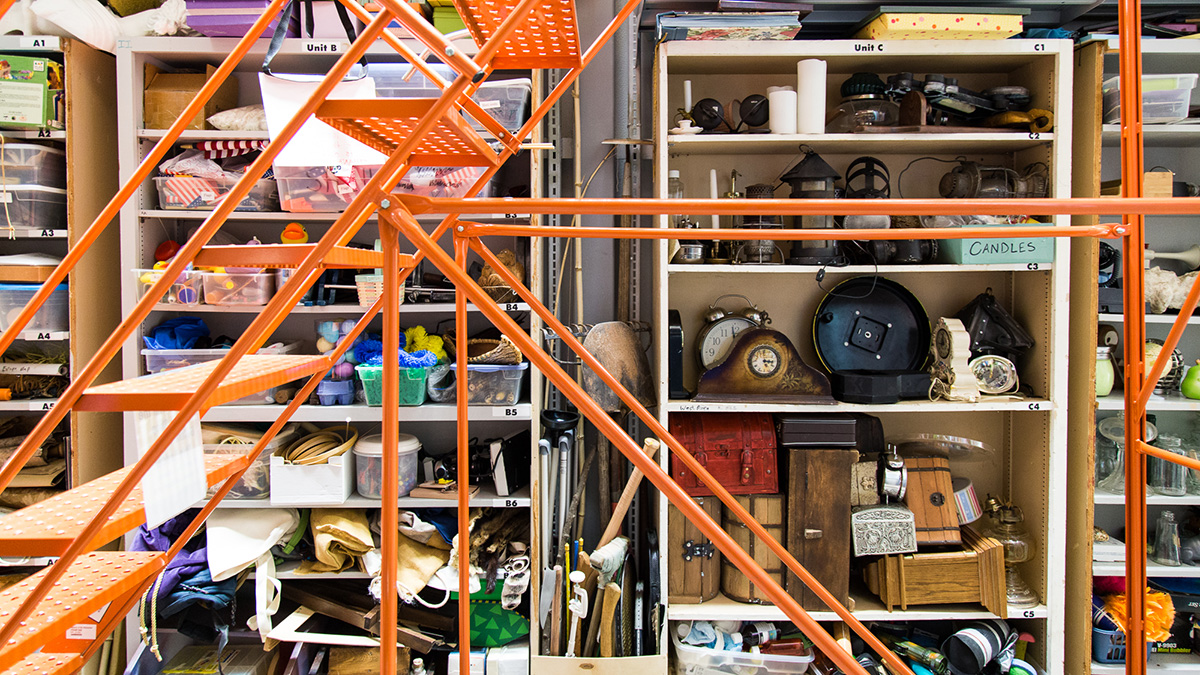
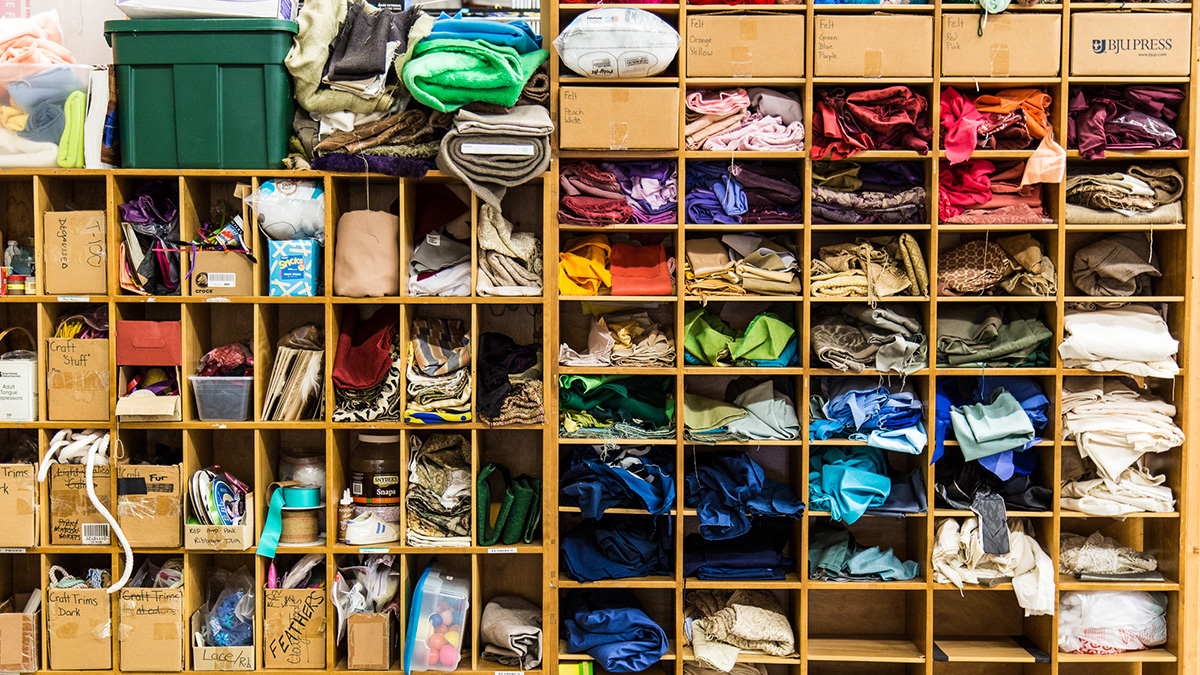
Props and backdrops—Do you know what the sets (and many of the props the teachers use) are made of? In this part of the tour, you’ll get to see many of the sets and props from the classes you’ve taken. You might also see some new items for classes currently being recorded.

old set tour

How to Organize a Tour

  • Choose a date or two when you can come to Greenville, SC, for a visit!
  • Click on this link (https://www.bjupress.com/tours.php) to fill out our BJU Press Tour form.

We hope to see you soon!

old props tour

scene shop tour

reserved props tour

costume fabrics tour

Filed Under: Simplified Homeschool Tagged With: distance learning, studio tour, tour

Celebrating Independence Around the World

July 3, 2018 by Jenna

celebrating independence with fireworks
Are you ready to celebrate the Fourth of July? Most families across the nation share similar traditions for this holiday. Who doesn’t have fond memories of family picnics and then waiting for nightfall to enjoy a spectacular fireworks display? Celebrating independence is a key element of our American culture. But America isn’t the only nation that celebrates its independence. Have you ever wondered how other nations celebrate their independence? Here are some Independence Day traditions from other nations.

Celebrating Independence in Mexico

Mexico’s united cry of Viva Mexico makes the nation stand out. Though many Americans are familiar with the text of our Declaration of Independence, those words never became a part of our traditions. The story of Mexico’s independence shows just how powerful such a declaration can be. In the little town of Dolores on September 16, 1810, a priest named Miguel Hidalgo rang the church bell to summon the town. With a speech, he called the people to war. His speech sparked the war for independence against Spanish rule. The exact words of his speech are lost to time, but it’s now known as El Grito de Dolores—the Cry of Dolores. Today, El Grito officially begins Independence Day celebrations. The Mexican president reenacts El Grito, ringing a bell at the National Palace and reciting a version of Hidalgo’s words. At the end, crowds erupt in unison with ¡Viva México!

Learn more about Mexican Independence Day traditions!

Celebrating Independence in Malaysia

Like many other nations, Malaysia celebrates its independence with parades and fireworks, but it takes a different approach to the themes of its celebrations. As a nation made up of several different people groups, Malaysia can’t depend on similar ideologies to create unity in its people. Instead, it sets a new theme to focus on each year for its Hari Merdeka—Independence Day—on August 31. These themes often focus on Malaysia as a nation or on unifying values. Past themes have been “Because of You, Malaysia” (2000–2006), “Good Values Make a Successful Society” (1997), and “Together Towards Vision” (1993).

Celebrating Independence in Finland

We all know the story of Paul Revere’s ride and the significance of one or two lanterns, but in Finland, two candles in a window mean something entirely different. Before gaining independence, Finland was  part of the Russian Empire. Even though the nation had its own government, it still suffered great oppression under the Russians. Traditionally, the people would place two candles in their windows as a silent protest against the empire.

However, the candles got a new meaning during World War I. Many young Finnish men traveled to Germany to volunteer for the German army. There, they would be trained as elite infantrymen called jägers. Since the journey from Finland to Germany was dangerous under Russian rule, families would offer the soldiers-to-be food and shelter by placing two candles in their windows. Even though the jägers weren’t able to return home until after Finland gained its independence on December 6, 1917, these expert soldiers made great contributions during the Finnish Civil War and later defended their country against the Soviet Union in 1939. Today, many of the Finish people still place candles in their windows in honor of those brave soldiers.

Do you know of any other Independence Day traditions from around the world?

Filed Under: Successful Learning Tagged With: freedom, holiday, Independence Day

How to Geocache with Your Kids This Summer

June 28, 2018 by Guest Writer

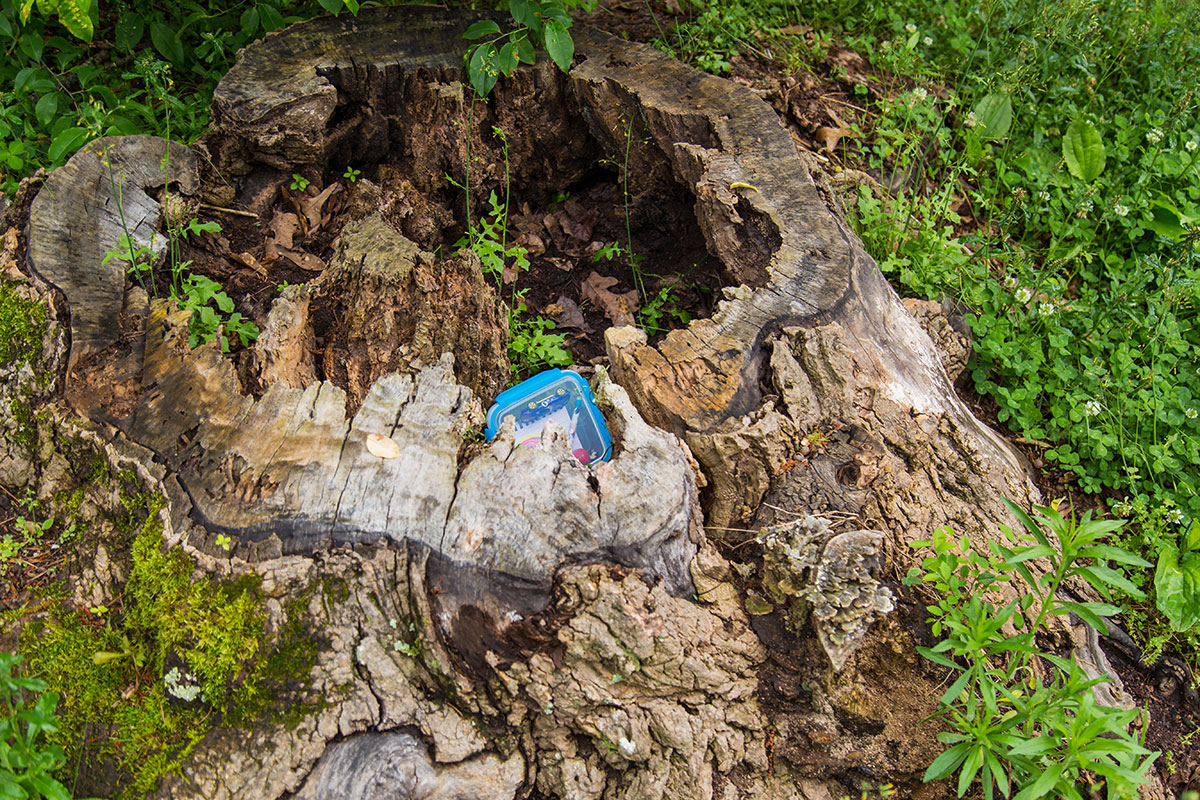
found a geocache
My family loves the outdoors. We’re always visiting one playground or another, and we’re blessed with a wide variety of parks to explore in our area. One thing that always makes the walk or hike more exciting is looking for a geocache! It’s like treasure hunting, except you don’t get rich from it—but you will get a sense of achievement and a story to tell. Plus, you can find ways to blend this summer activity with a review of skills like logic, map-reading, math, and deductive reasoning.

What Is a Geocache?

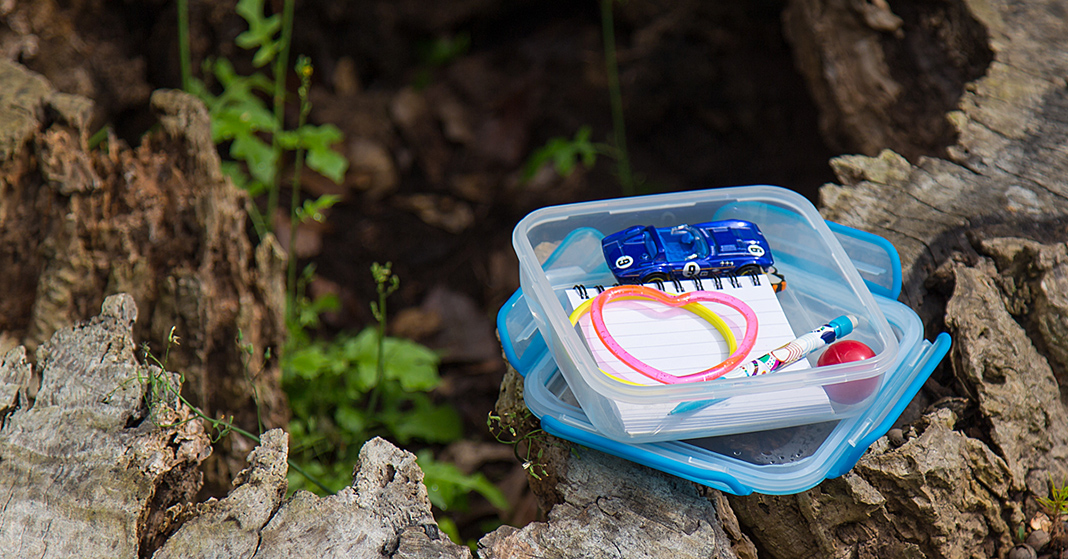
It could be anything, really. It’s an object that someone hides on purpose, recording its presence and coordinates so others can find it. Sometimes the geocache is a film canister or an empty pill bottle; other times it may be a plastic container or an ammo box. Inside, you’ll always find a log listing the names of all the other geocachers who have discovered that particular cache. You may also find some small items that people have left behind!

How to Start

Ask your older children to use their computer skills to look up Geocaching.com or Opencaching.us. Create an account and view maps of geocaches near you. Together, plan an outing to find one. You can ask your kids to record the coordinates and use a GPS to locate the geocache, or you can download the geocaching app to your phone.

The Hunt for the Geocache

Finding the “treasure” isn’t always easy. You’ll notice that caches have different ratings, depending on how difficult they are to find. Be sure that you begin with caches that are rated easy to locate, so your kids can have the experience of discovering one. You may want to have your oldest carry the phone with the geocaching app. Other kids can take turns reading the clues. Sometimes the clues or hints come in the form of puzzles to solve! As you walk, explain the concept of coordinates and how they can help a person find a specific point on the globe.

hidden geocacheDiscovery . . . or Not

The first time our family hunted for a geocache, we found a delightful one nestled in a birdhouse in the forest. Our most recent trip was disappointing; we never did locate the ammo box with the log in it. If you have small kids who might become discouraged by this, it may help to bring along a small reward for their efforts, or have another fun activity planned after your treasure hunt.

Take One, Leave One

In many cases, the only thing inside the geocache will be the log. Have your children practice their handwriting skills by neatly signing the paper, right below the name of the last discoverer. Sometimes, there are also small items in the cache. The rule of geocaching is that you may take one item if you leave an item in its place. We have found or left coins, bracelets, and tiny plastic toys.

Geocaching is an excellent way to get outdoors together as a family. If some of your kids are reluctant to hike or walk in nature, the idea of a treasure hunt may inspire a different attitude. Check out some geocaches this summer, and use the experience to hone your kids’ skills in map-reading, observation, puzzle-solving, and reading. Ready, set, treasure hunt!

• • • • •

Rebecca is a work-at-home freelance writer, novelist, wife, and the mom of two bright-eyed little ones. She credits her success in writing and her love of books to her own mom, who homeschooled three kids from pre-K through high school.

Filed Under: Successful Learning Tagged With: geocache, geocaching, summer activity

  • « Go to Previous Page
  • Page 1
  • Interim pages omitted …
  • Page 59
  • Page 60
  • Page 61
  • Page 62
  • Page 63
  • Interim pages omitted …
  • Page 152
  • Go to Next Page »

Primary Sidebar

As parents, teachers, or former homeschool students, we are passionate about homeschooling from a biblical worldview. We hope these teaching tips, fun activities, and inspirational stories support you in teaching your children.

Email Signup

Sign up for our homeschool newsletter and receive select blog posts, discounts, and more right to your inbox!

Connect with Us!

                    Instagram     

Read Posts on Specific Subjects

Early Learning
Foreign Language
History
Language Arts
Math
Science

Footer

Disclaimer

The BJU Press blog publishes content by different writers for the purpose of relating to our varied readers. Views and opinions expressed by these writers do not necessarily state or reflect the views of BJU Press or its affiliates. The fact that a link is listed on this blog does not represent or imply that BJU Press endorses its site or contents from the standpoint of ethics, philosophy, theology, or scientific hypotheses. Links are posted on the basis of the information and/or services that the sites offer. If you have comments, suggestions, questions, or find that one of the links no longer works, please contact us.

Pages

  • About BJU Press
  • Conversation Guidelines
  • Terms of Use & Copyright

Archives

© 2026 · BJU Press Homeschool