“Is my child ready to start kindergarten?” is a question you may have been asking recently. Like so many other questions, there isn’t always a quick “yes” or “no” answer because it depends on several factors. However, this question is legitimate, even necessary, when deciding when to start your child in kindergarten. It’s important to know how to assess whether your child is ready, what steps to take to help your child get ready, and how to prepare yourself and your child for kindergarten. In this article, you will find helpful tips on
- understanding kindergarten readiness,
- assessing your child’s readiness, and
- compiling a checklist of things to help you prepare for kindergarten.
Understanding Kindergarten Readiness
Defining kindergarten readiness is fairly straightforward. It means making sure your child is prepared to embark on a lifelong journey of learning. Kindergarten provides a sound foundation for future education. Your child will learn important skills such as reading, solving math equations, and developing critical-thinking techniques. These skills will equip your child as he or she progresses to higher levels of learning.
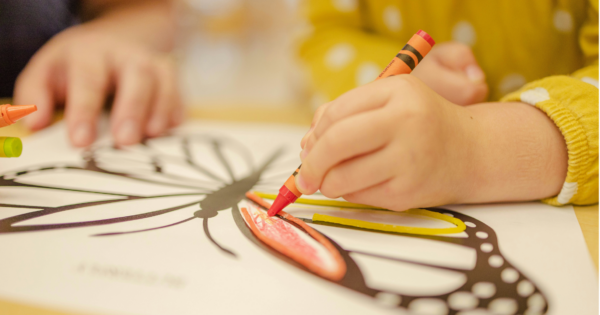
Kindergarten plays a significant role in children’s social, cognitive, and physical development. This first stage of education teaches kids how to listen, follow instructions, work with other students, and remember important facts. Kindergarten also encourages social and physical growth through structured playtime and fun activities. These include art, crafts, and simple experiments
Homeschooling requires just as much readiness for your kindergartener as traditional school does. While homeschooling delivers more flexibility, it still requires structure, routine, and consistency. Your child needs to be ready to sit under your instruction for at least a couple of hours a day to learn the basics of reading and math.
The decision to start kindergarten doesn’t depend on age only, but age should be considered. The average age for a child to start kindergarten is 5, but many parents choose to start before or after 5. Take time to contemplate how age will affect your child’s future education. For instance, if you start your child in kindergarten at age 4, he will enter his senior year of high school at age 16.
College may seem like light-years away right now, but now is the time to think about the timeline. Do you want your child to graduate early and start college right after graduation? Would you prefer that your student wait a year or two to mature, earn money for college, and then decide what to pursue? Would you be ready to let your child go off to college at 17? This decision is yours alone to make. Choosing when to start kindergarten sets the course for your child’s education.
Signs of Kindergarten Readiness
You will be able to gauge whether your child is ready to start kindergarten based on the following signs.
Social and Emotional Readiness
Does your child have the ability to follow simple instructions? Is he comfortable with being separated from you, if need be, for an extended period? Does he show basic social skills such as taking turns, sharing, and interacting with other children? Can your five—or six-year-old handle the emotions of frustration, excitement, and disappointment? Of course, emotional expectations for a kindergartener are fewer than those for an older student.
Cognitive Readiness
Does your child express an interest in storytelling and books? Can she identify letters and recognize some sight words? Does she know how to spell her name? Is she able to perform simple functions with numbers, such as counting to ten? Is your child curious and wanting to learn new things and explore new ideas?
Physical Readiness
Gross motor skills such as balancing, jumping and running indicate proper physical development. Fine motor skills such as fastening a button, zipping a zipper, and twisting a doorknob can signal a child’s ability to begin formal learning. Your child will need these fine motor skills to correctly hold pencils and use scissors.
Communication Readiness
Your child should be able to express her thoughts, ideas, and feelings with others. She should also be able to engage in conversations with other children. Answering questions and following directions from adults should not be intimidating or difficult.
Activities to Prepare Your Child for Kindergarten
After assessing your child’s kindergarten readiness, try incorporating the following activities. These will help to further prepare your child and help him to enjoy kindergarten.
Structured Play
Engage your preschooler in structured play activities. Schedule play dates, meet friends at the park, or spend time playing with your child. This will help prepare your child for play-based learning when kindergarten begins.
Daily Reading
Read, read, read to your child every day! Reading out loud is one of the best ways you can prepare children for learning to read themselves. Plus, reading is a wonderful way to stimulate your child’s imagination and form a close bond. Along with reading, work on letter recognition and word sounds using simple songs and games. Point out letters and words around your house. Show the writing on cereal boxes, shampoo bottles, and other products.
Increased Independence
Encourage independence in your budding kindergartener. Let her dress herself. Teach her how to make her bed, clean up after meals, and put away her belongings. More independence will help your child develop critical thinking skills when she begins kindergarten. Your child will also gain more self-confidence and be willing to try new things.
Basic Math Practice
Incorporate basic math concepts into daily routines. For example, have your child count out loud with you (“How many apples do we have?”). Perform simple addition and subtraction tasks with him (“We have four apples. If Daddy eats one, how many do we have left?”).
Factors to Consider in Homeschooling Kindergarten
Before you make the decision to homeschool your kindergartener, consider the following factors.
Flexibility in Homeschooling
Homeschooling offers the wonderful advantage of flexibility. You can create your calendar and schedule to fit your family’s needs and preferences. Your child can learn at his own pace. If your child is struggling, you may choose to spend more time on one area of learning over another. You can shorten or lengthen school hours and plan special activities such as field trips.
Keep in mind that while homeschooling does provide more freedom in learning, it still requires planning and structure to be effective. Setting a regular schedule will help your child grow accustomed to homeschooling. Consistency helps students achieve learning goals in kindergarten.
Tailoring Lessons to Meet Your Child’s Needs
As you discover your kindergartener’s learning abilities, strengths, and weaknesses, you can plan lessons to help him. For example, your child may be quick to recognize letters and word sounds but takes longer with numbers and counting. You can prepare lessons that further simplify basic math skills or that focus on one concept at a time. You can also give your child more advanced reading and phonics lessons if you feel he is ready for those. Implement reading time, art, music, and crafts at your discretion, either every day or only a few days a week.
Importance of Play-Based Learning
Play-based learning refers to an educational environment in which children learn through times of play. While playing, young ones learn to engage their imagination, solve problems, and explore the world around them. Other benefits include the development of communication, language, social, and emotional skills. Play-based learning also cultivates motor skills, creativity, and confidence in learning.
Seek to include times of guided play during school. Always have a learning goal in mind for these play times, and help your child reach that goal. An ideal play-based atmosphere meshes prepared planning on your part with freedom for your child to create and explore on their own. Provide your child with items or games that will guide toward your learning objective. For example, arrange a tray with leaves, stones, twigs, and pinecones while studying nature. You can also use these same materials as manipulatives for practicing math skills.
Making the Decision
Whether you plan to start kindergarten sooner or later, now is the time to prepare yourself and your child for this crucial phase of education. As you consider when to start kindergarten, seek advice from other parents, teachers, and people you trust. Spend time praying about this decision and rely on God’s wisdom. He will guide you as you seek His will in this matter.
Share in the comments any tips or advice you have gleaned from other homeschool parents, teachers, or articles. You can also share your own experiences with homeschooling kindergartners!
For more homeschooling ideas and suggestions, go to blog.bjupress.com.
• • • • •
Jennifer is a pastor’s wife and mom of two young girls and loves homeschooling them. During her own twelve years of being homeschooled, Jennifer developed a passion for reading and writing. She earned a bachelor’s degree in creative writing and relishes writing during her free time.
Leave a Reply